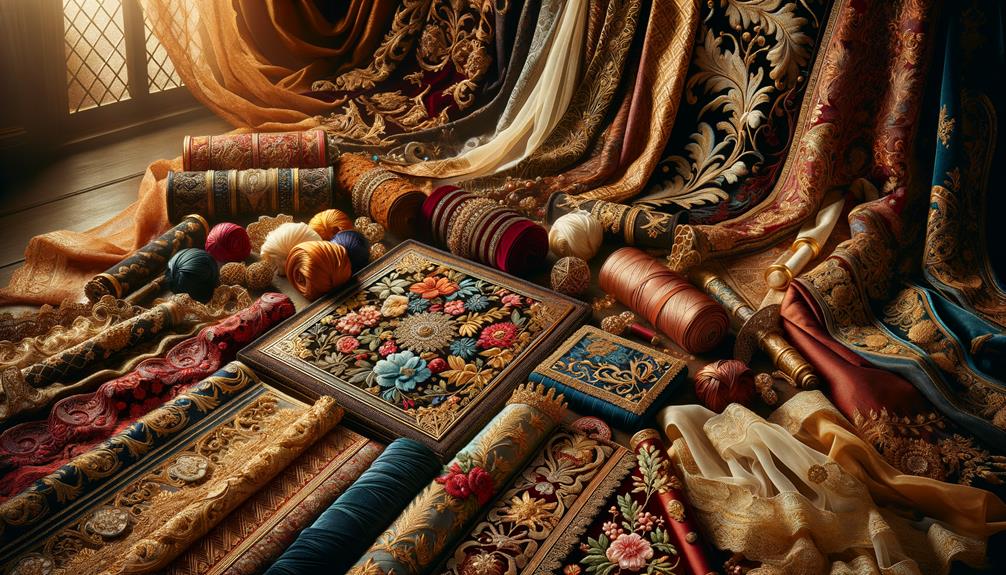
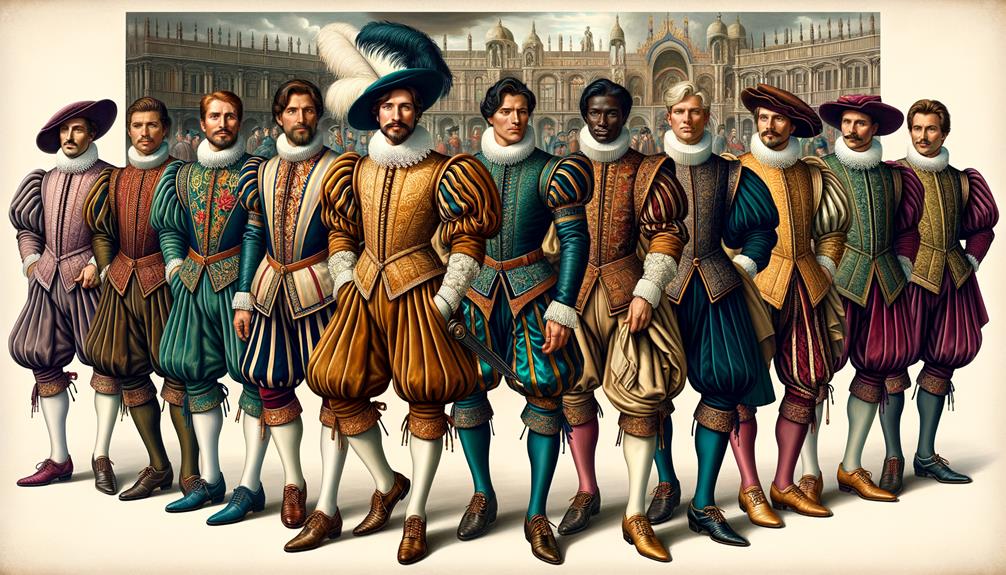
Renaissance fashion was a world where clothing served as a visual representation of social hierarchy. Sumptuary laws governed this world, dictating who could wear luxurious fabrics like silk and who was limited to humble materials like wool. The nobility flaunted their status with extravagant attire, while the lower classes adhered to more subdued clothing. These laws, intended to curb excess and maintain social order, often brought harsh penalties for noncompliance. These restrictions mirrored daily life, embedding class distinctions into every thread. Different regions, such as Italy and France, each had their own style, shaped by these laws. The fabrics carried a great deal of intertwined meaning.
Origins of Sumptuary Laws
The origins of sumptuary laws reach back to ancient civilizations like Rome, which sought to control society’s desires and displays of wealth. These laws, embedded in the historical record, aimed to regulate what people could wear based on their social and economic status. They were tools of social control as much as rules of fashion. By dictating clothing and luxury goods, the ruling class could maintain a visible social hierarchy, keeping the lines between different social strata clear and unblurred.

In Rome, sumptuary laws served to curb the extravagance that often accompanied newfound wealth. As a society’s prosperity grew, so did its citizens’ desires to display their success. These laws acted as a brake, reminding everyone that not all could, or should, indulge equally. Penalties for breaking them varied but often included fines or even social exclusion, which underlined the importance of adherence.
Sumptuary laws did more than limit personal expression; they influenced broader fashion trends and promoted local industries. By controlling imports of luxury goods, they supported local craftsmen, intertwining economic and social policy in a delicate historical way.
Social Hierarchy and Dress
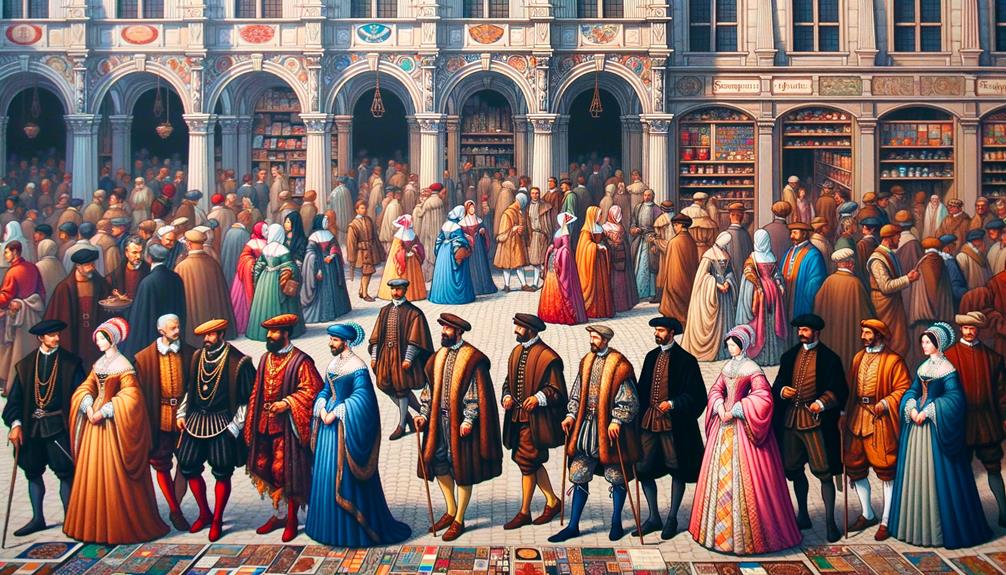
In Renaissance society, clothing was a visual representation of social standing rather than personal preference. These rules created a world where attire spoke volumes about wealth, power, and position. The nobility, adorned in luxurious silks and velvets, exuded an air of elegance that reflected their high standing. Each garment was a statement and a visual cue to their refined taste and aristocratic lineage.
For those lower on the social ladder, practical fabrics like wool and linen were the norm. These materials, though humble, conveyed modesty and humility. The restrictions on clothing did more than dictate which fabrics were acceptable: they reinforced a narrative of social order and control.
Dressing according to one’s social status was an unspoken rule, a way to maintain societal harmony. The Renaissance fashion landscape, shaped by these clothing restrictions, offers a revealing glimpse into human ambition and conformity.
Fabric and Color Restrictions
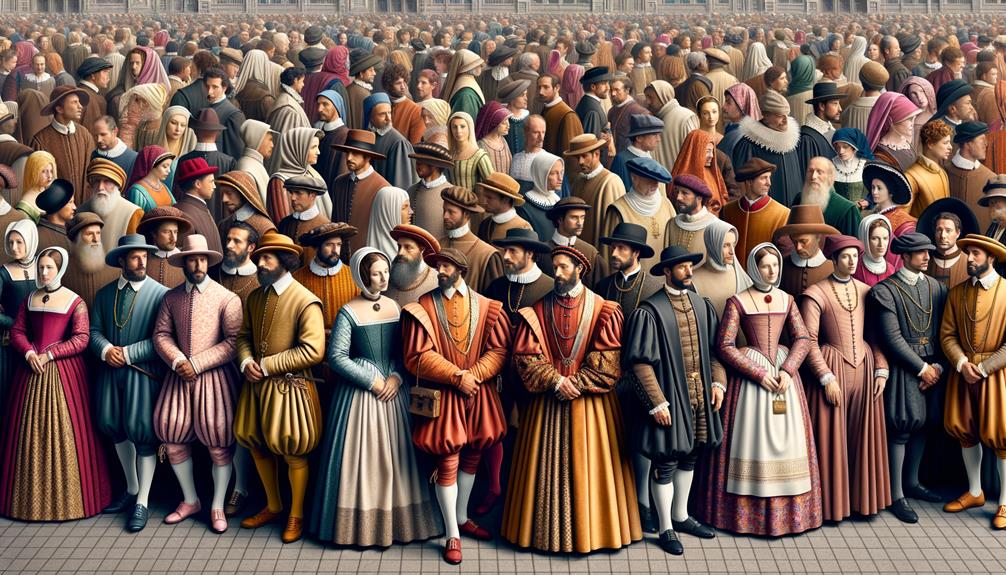
During the Renaissance, Europeans lived in a world where fashion was heavily regulated. Sumptuary laws dictated who could wear what, reflecting the rigid social hierarchy of the time. Luxurious fabrics like gold thread were reserved for the nobility and royalty, while middle-class women were restricted to more modest materials like linen and wool. This was about maintaining social order as much as aesthetics.
These laws were strictly enforced, with fines and penalties for those who broke the rules. Notices outlining them were posted in every parish, ensuring everyone knew their place. The impact was profound, embedding class distinctions into daily life and showing how societal norms shape behavior, with innovation often beginning as a challenge to the status quo.
Regional Differences in Fashion
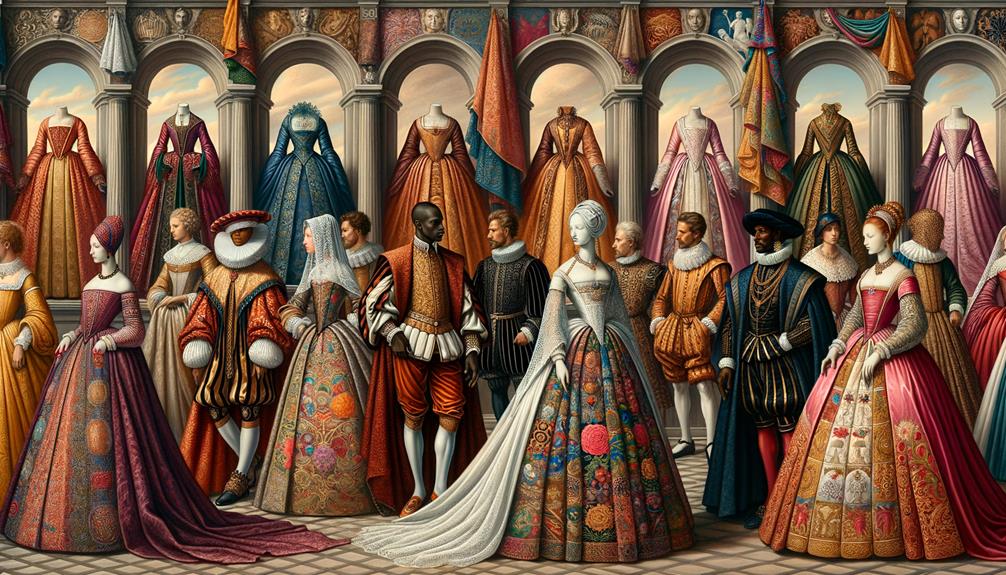
The regional nuances of Renaissance fashion show how each European country infused its own cultural identity into its attire. In Italy, luxurious fabrics like silk, velvet, and brocade symbolized the upper echelons of society, showcasing wealth and status. The French mastered elegance with intricate embroidery, lace, and elaborate ruffles, each stitch a reflection of their refined taste.
The Spanish favored grand, theatrical attire, with rich colors, ornate jewelry, and voluminous sleeves, symbolizing power and authority. Germans, on the other hand, showcased precision and craftsmanship through tailored silhouettes, structured bodices, and decorative trimmings, reflecting their meticulous approach to fashion.
In England, a mix of opulence and simplicity emerged, with men and women wearing garments ranging from sumptuous gowns to modest doublets and hose, balancing grandeur and restraint. These regional styles were more than clothing: they defined societal roles and personal identity, and their influence can still be felt in a modern sense of style.
Influence on Modern Fashion
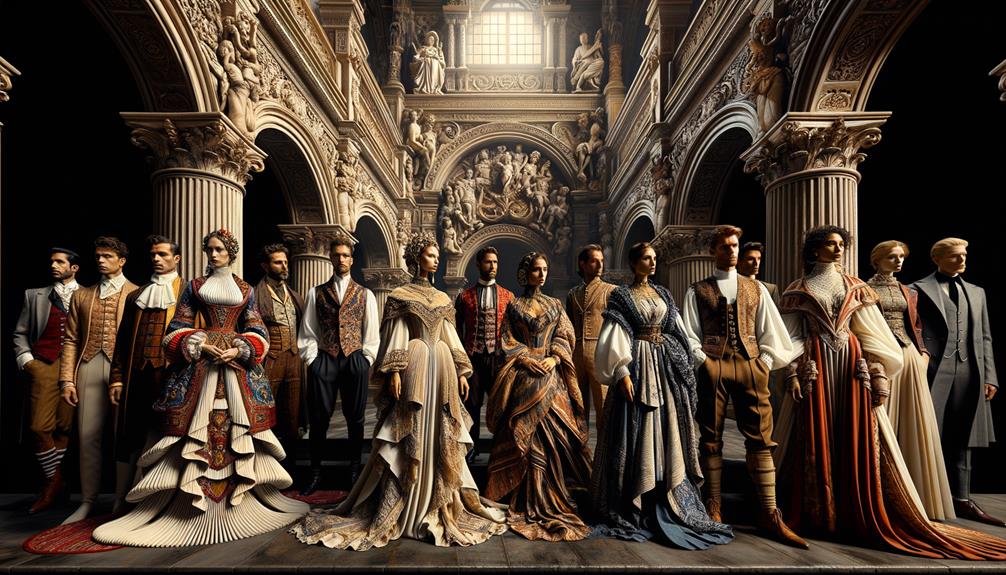
Modern fashion often echoes the past, with restrictions and opulence reminiscent of Renaissance sumptuary laws shaping sartorial choices today. Workplace dress codes and formal event guidelines subtly dictate what people wear. Luxury brands like Gucci, Prada, and Chanel are not just names; they are status symbols, much like the explicitly designated garments of Renaissance Italy.
In the past, men were restricted in their use of certain fabrics and colors, and similar regulations apply to professional attire today, with suits and ties serving as modern-day equivalents. High-end brands like Louis Vuitton, Dior, and Versace mirror the restricted luxury items of the past, their opulence echoing a history where clothes were markers of societal rank rather than fashion alone.
However, a shift is emerging. Designers like Off-White, Balenciaga, and Jacquemus are pushing boundaries, innovating within the confines of these modern ‘laws.’ They challenge the norms, just as fashion has always done, showing that while history may dictate, creativity will always find a way to flourish.
Frequently Asked Questions
What Are Sumptuary Laws and How Did They Influence Fashion?
Sumptuary laws dictated what people could wear based on their social standing, ensuring a clear hierarchy and preventing excessive displays of wealth. They had a significant impact on fashion, specifying the fabrics and colors individuals of different ranks could wear and making clothing a direct reflection of social status.
How Did the Renaissance Influence Fashion?
The Renaissance was a pivotal moment in fashion’s evolution, introducing creativity and luxury. Designers drew on the era’s intricate details and opulent fabrics, pushing boundaries to create pieces that continue to influence modern fashion.
What Is the Sumptuary Law of Luxury?
The sumptuary law of luxury, which places wealth against modesty, controlled extravagant displays through clothing. This social regulation reflects the effort to balance opulence and restraint and maintain social order, highlighting society’s ongoing struggle to reconcile excess with humility.
How Did Clothing Reflect Class During the Renaissance?
Clothing starkly reflected class distinctions during the Renaissance. The wealthy wore luxurious fabrics, while simpler materials were reserved for the lower classes. Textiles alone defined societal roles with striking clarity, showing fashion’s wider influence.