
Renaissance Fashion and Sumptuary Laws
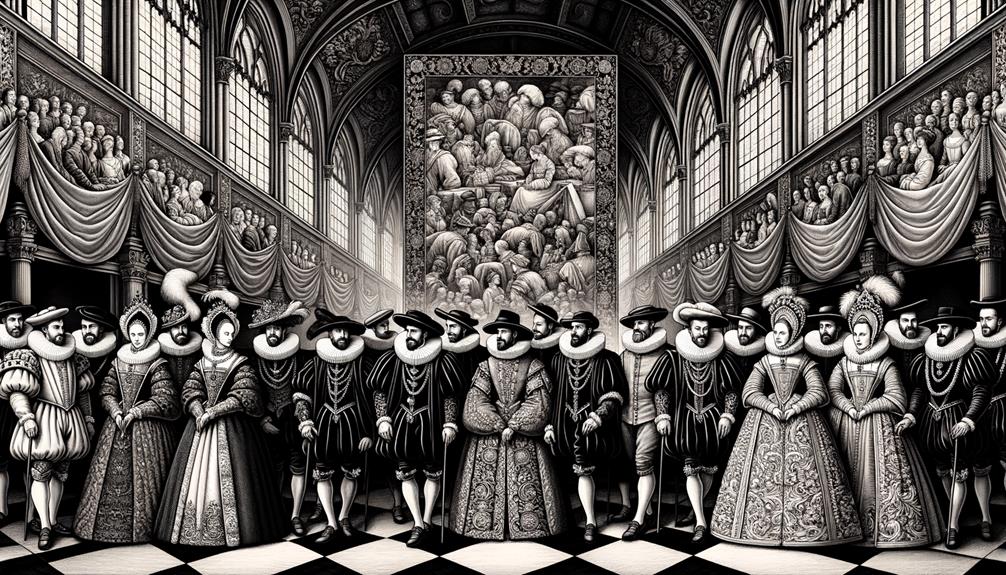
Renaissance fashion was a world where clothing served as a visual representation of social hierarchy. Sumptuary laws governed this world,
Renaissance fashion was a world where clothing served as a visual representation of social hierarchy. Sumptuary laws governed this world,
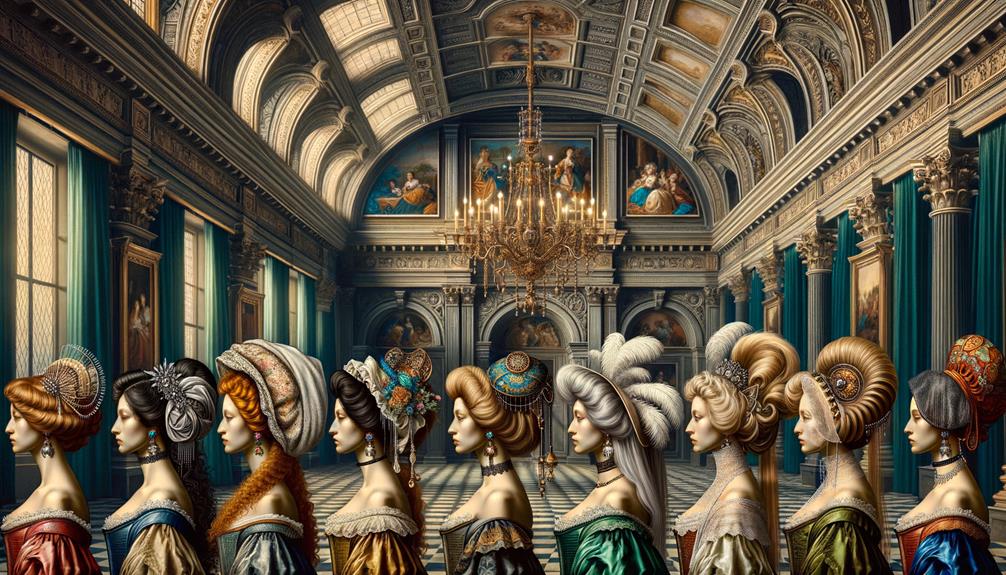
Renaissance hairstyles and headwear offer a clear glimpse into the past. During this era, women’s hair often flowed in loose
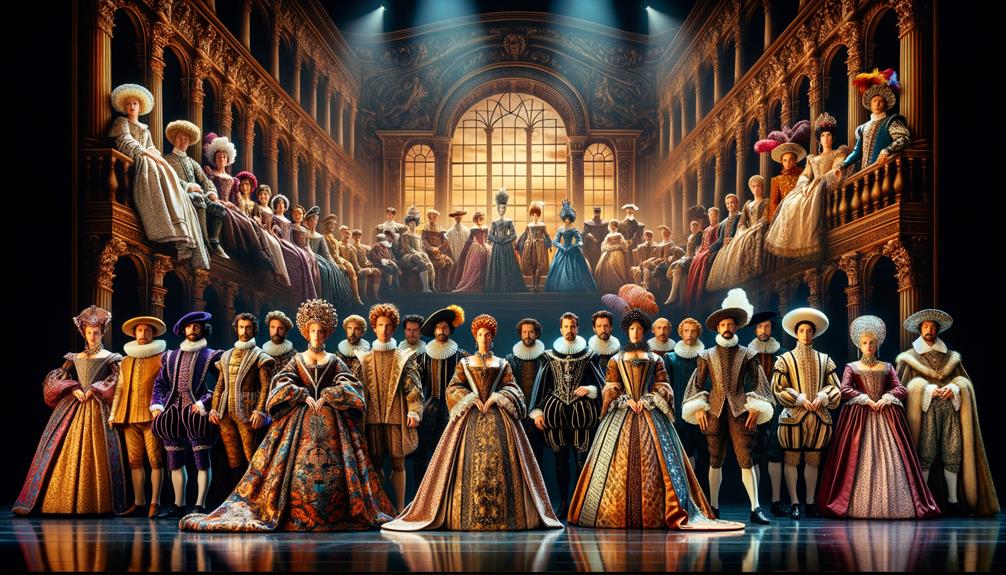
Renaissance fashion brings a level of authenticity to theatre productions. The luxurious fabrics like velvet and brocade, paired with silk
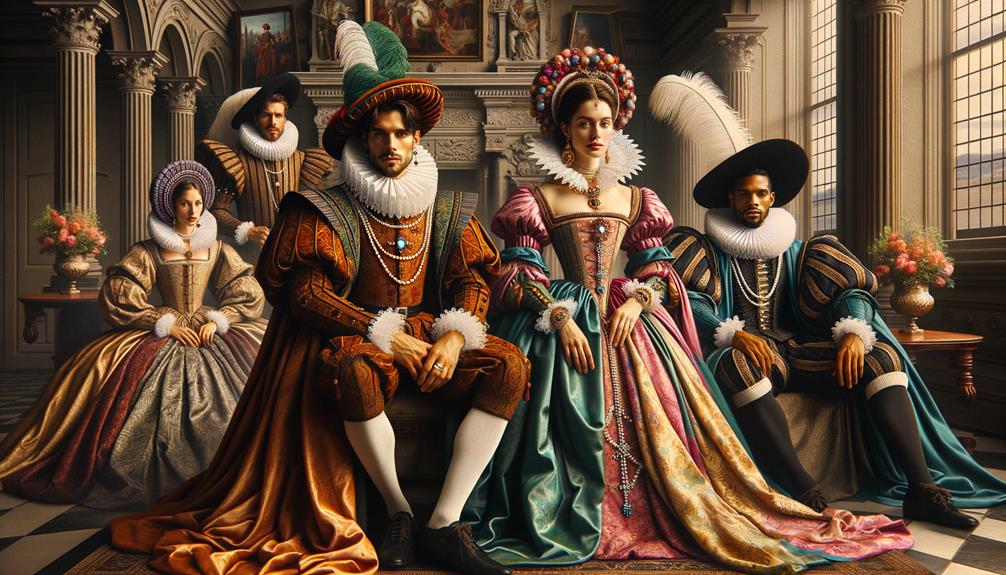
In Renaissance literature, clothing serves as a powerful symbol of social standing and personal identity. The attire of characters reflects
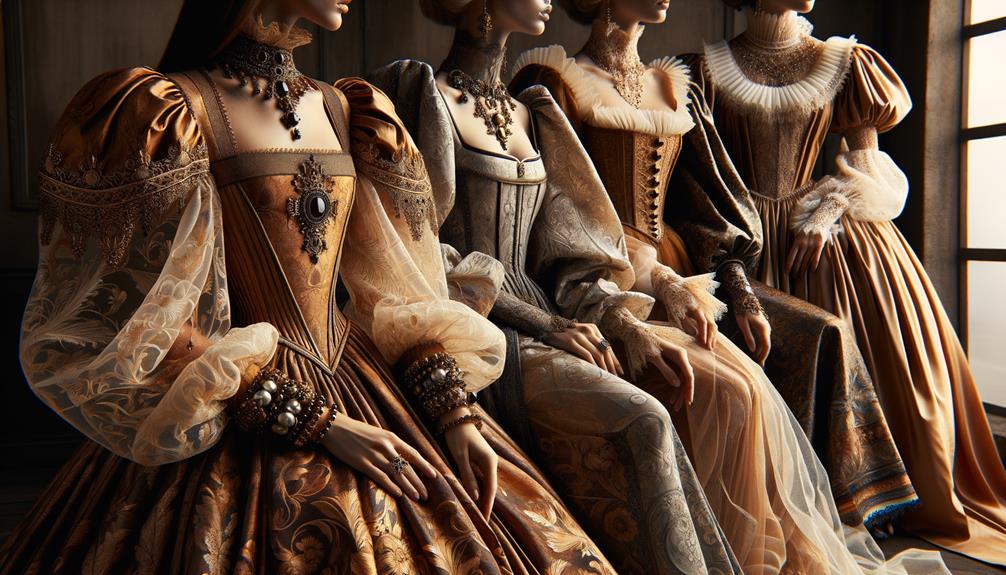
Modern fashion draws on Renaissance opulence and craftsmanship in ways that are easy to trace. Designers use luxurious fabrics like
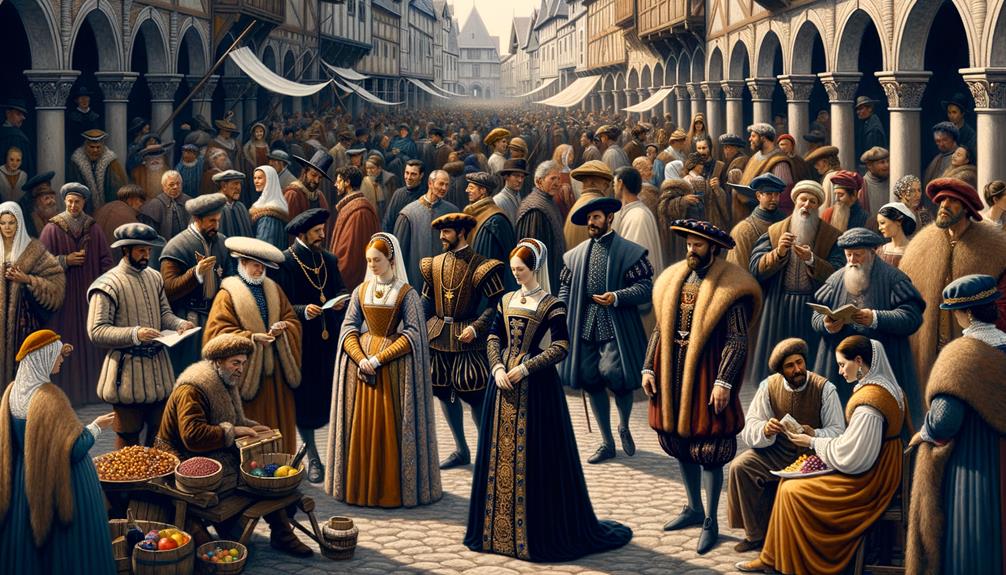
Renaissance fashion was a reflection of social class. During this time, strict laws dictated what people wore, ensuring that the
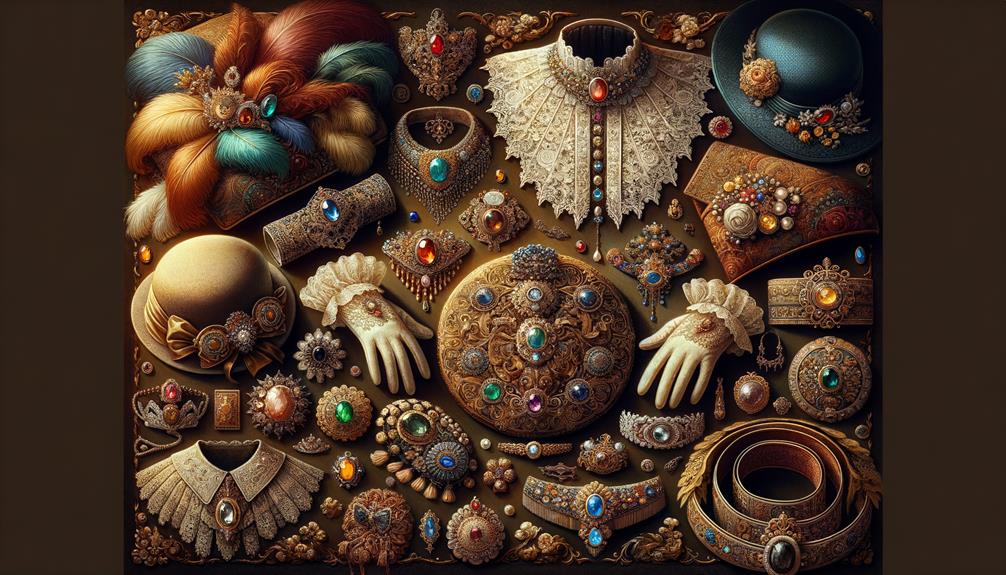
Renaissance fashion accessories showcased a remarkable blend of artistry and social status.
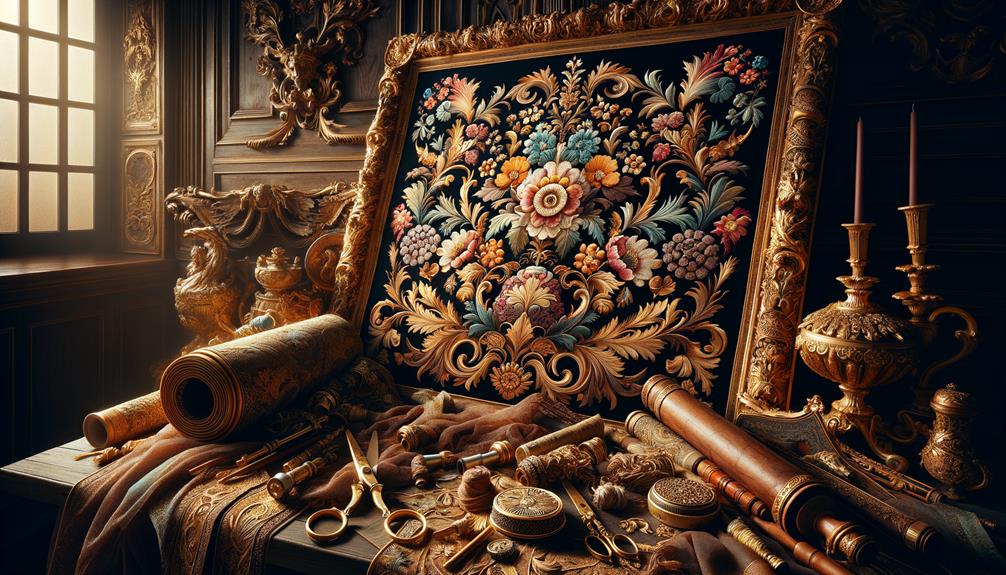
Renaissance embroidery, flourished in 14th- to 16th-century Italy, spread across Europe by the 15th and 16th centuries, symbolizing power and
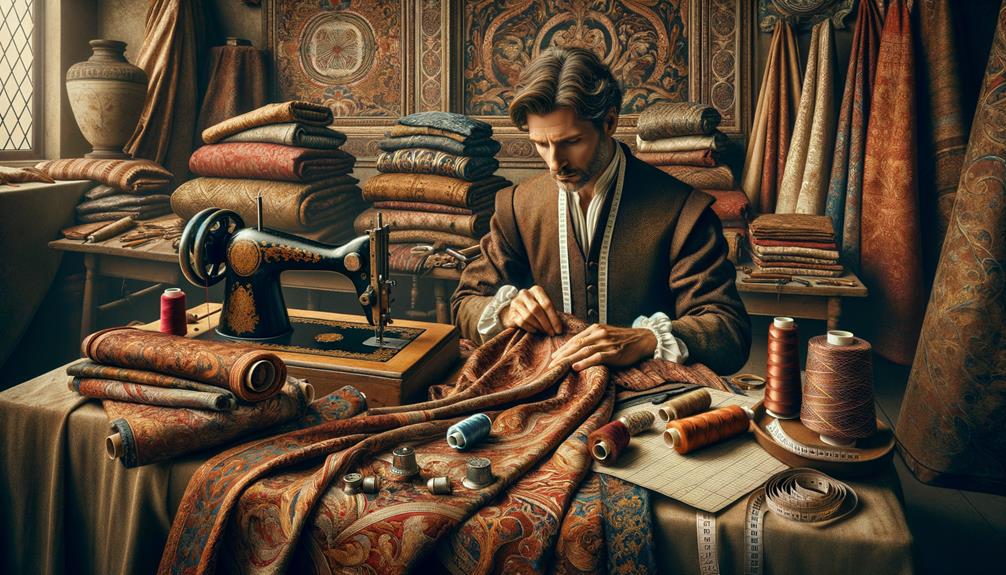
Renaissance tailoring techniques combined artistry with precision. When creating garments, tailors would first draft patterns on a linen mock-up, using
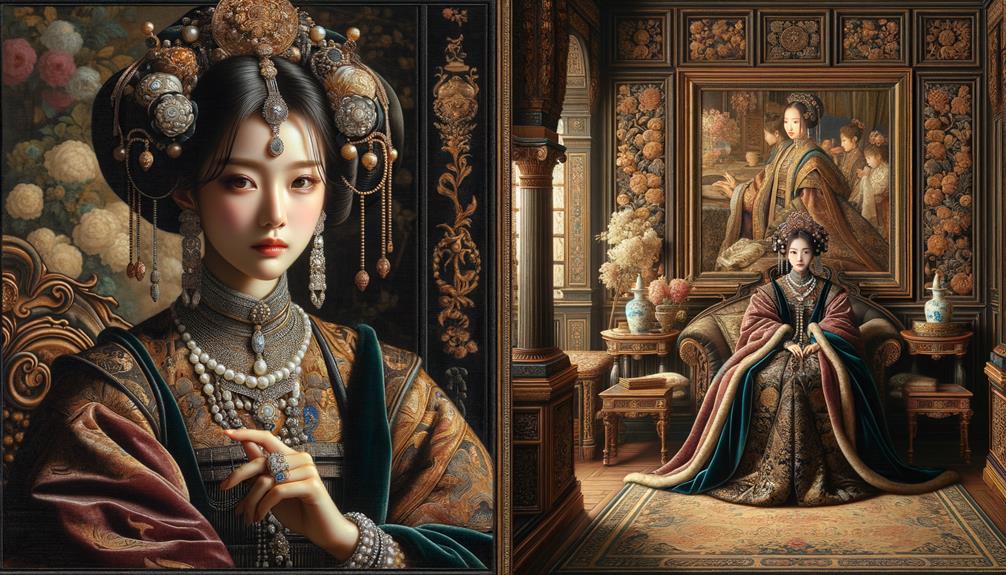
Renaissance fashion and portraiture together show how clothing reflected social status and cultural norms. Luxurious fabrics like velvet and silk