The intricate designs and luxurious fabrics of Ancient Chinese fashion carried far more than social status. They acted as a silent dialogue between the wearer and the cosmos. The evolution from the Neolithic Age’s humble hemp to the Shang Dynasty’s opulent silks reveals a deep continuity with the past and a desire to understand the stories woven into each garment. The interplay of tradition and innovation in their attire points to a civilization that valued both the fleeting and the eternal.
Clothing of the Neolithic Age
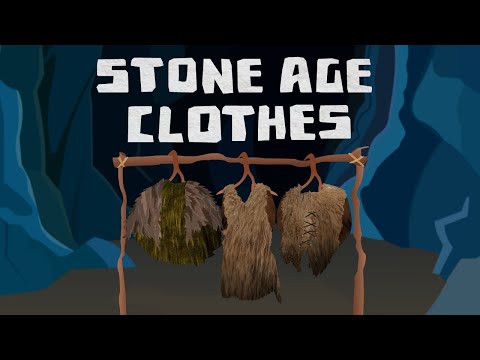
In the Neolithic Age of ancient China, the humble clothing made from hemp and ramie fibers reveals a story of early ingenuity and social hierarchy. The fabric of daily life was closely tied to the plant fibers that clothed early communities. These textiles, though simple, were crafted with a purpose, their simplicity echoing the agricultural rhythms of the time.
Clothing served purposes beyond protection. It provided a canvas for natural dyes, where plant-based pigments brought a splash of color to otherwise earthy tones. The vibrant hues on these garments each reflected the local flora and the creativity of the people who made them. Patterns emerged that were simple yet meaningful, reflecting both individual and communal identities.
Beyond aesthetics, these garments played a significant role in defining social roles and status. A finely woven piece of hemp could signify more than skill. It marked a person’s place within the social fabric.
Animal skins and furs were also used, showing a resourceful blend of materials. This mix of plant and animal-derived clothing highlights an adaptive culture in which every element had its place and purpose.
Fashion in the Shang Dynasty
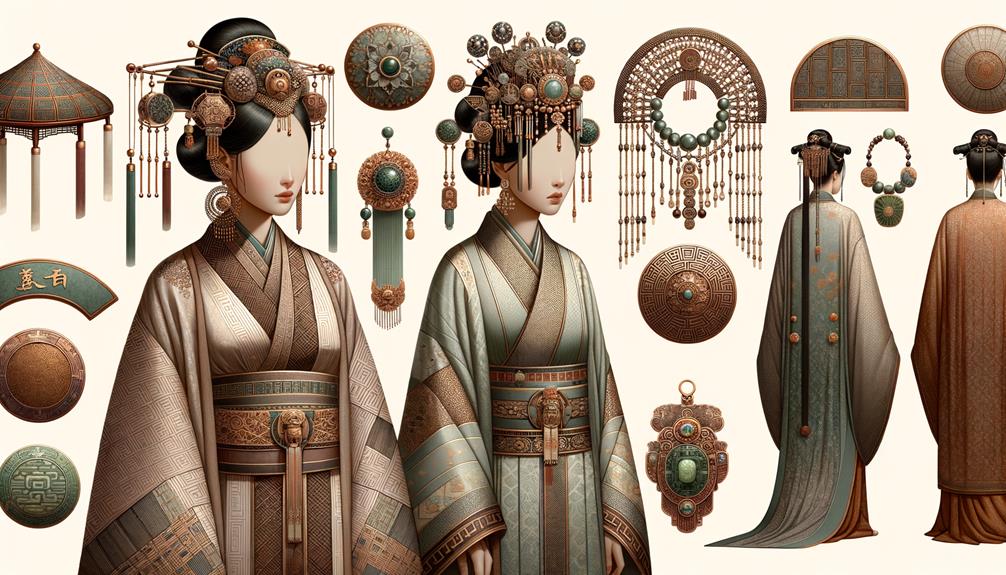
Fashion of the Shang Dynasty featured luxurious silks and intricate embroidery that defined an era of opulence and strict social codes. Clothing during this period served as a visual representation of a person’s social status and reverence for tradition, doing more than covering the body.
The use of silk, wool, and hemp created a wide range of textures. Silk in particular was reserved for the elite, shimmering under the light as a symbol of wealth. Bronze decorations and jade accessories added layers of sophistication, their cool surfaces contrasting with the warm, flowing fabrics. Each piece of clothing told a story woven from threads of history and culture.
Embroidery conveyed the wearer’s place in society rather than serving a purely decorative purpose. Intricate patterns and symbolic motifs said a great deal about a person’s position and responsibilities. Women’s clothing typically featured long skirts and robes, each stitch and fold meticulously crafted. Shang Dynasty fashion was a visual language conveying complex social information.
In this era, clothing went well beyond attire. It was a representation of identity.
Styles of the Western Zhou
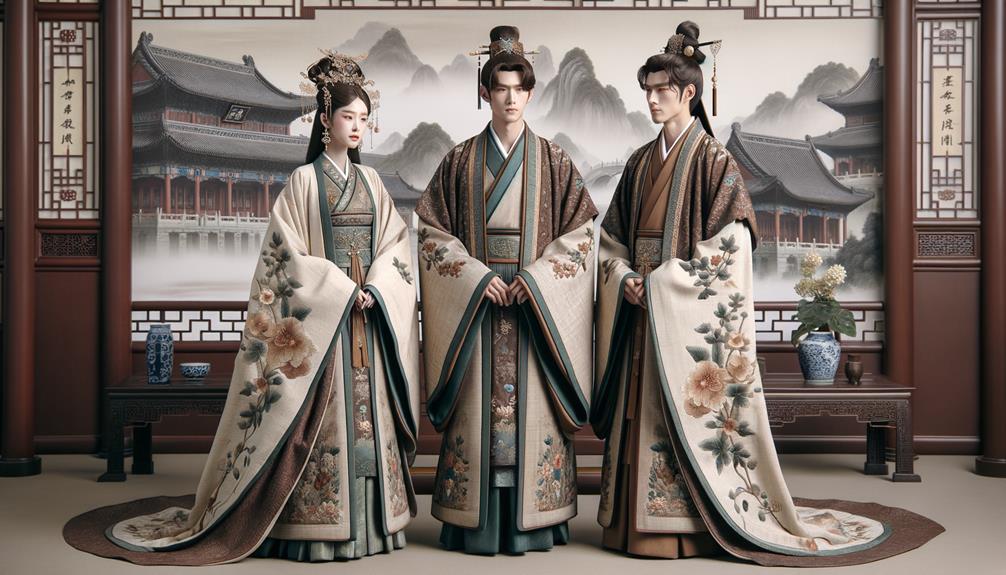
The Western Zhou dynasty’s fashion deliberately reflected its complex social hierarchy. Each layer of clothing told a story of status and rank, creating a visual distinction between the elite and the common folk. The ruling class, draped in robes adorned with intricate embroidery, exuded authority. Their garments, woven from fine silks, were masterpieces of craftsmanship, symbolizing the power they wielded.
By contrast, the simpler attire of commoners, fashioned from hemp or coarse silk, spoke of a life grounded in practicality. Even within these humble fabrics, the essence of Chinese ingenuity was evident. The distinction between the classes lay in the threads they wore and in the colors and designs, which were strictly regulated to maintain social order.
Accessories played a pivotal role in this ancient fashion narrative. Jade ornaments and belt hooks were powerful symbols of hierarchical status rather than mere embellishments. Each element, from the subtle hues to the elaborate patterns, expressed a person’s place within the societal structure.
The social hierarchy was evident in the fabrics and embellishments used:
Ruling Class: Fine Silk, Intricate Embroidery
Aristocrats: High-Quality Silk, Detailed Patterns
Commoners: Coarse Silk, Minimalist Embroidery
Peasants: Hemp, Simple Designs
These ancient styles show a world where fashion was a language of power and position as well as an aesthetic one.
Qin Dynasty Attire
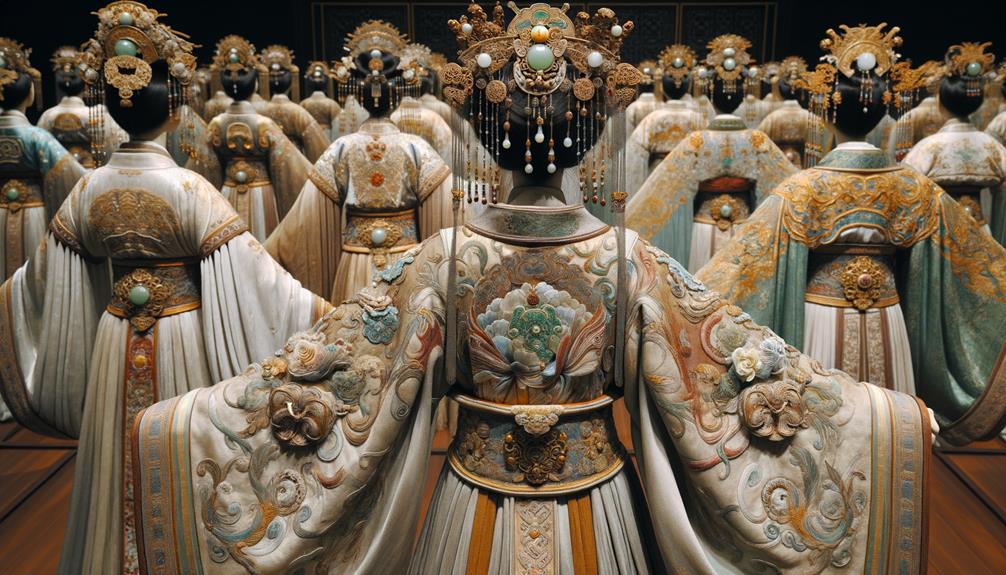
In the Qin Dynasty, clothing was a powerful symbol of social status, occupation, and authority, doing more than covering the body. The dark hues and austere designs that dominated the era’s fashion reflected the emperor’s strict rule and the rigid social hierarchy that defined Qin society.
The nobility wore luxurious silk garments, a marker of their wealth and influence, while commoners wore more humble materials like hemp and cotton. This stark contrast underscored the social divide that existed during the Qin Dynasty.
Several key features defined the attire of this era. Garments were designed with functionality in mind, avoiding unnecessary adornments. The clothing worn by officials and scholars was distinct, emphasizing their roles within the social structure. Dark colors, particularly black and dark blue, were prevalent, symbolizing the authoritarian ethos of the era. The Qin Dynasty’s clothing style would go on to influence the evolution of Chinese fashion in subsequent dynasties.
What someone wore in the Qin Dynasty was a clear declaration of their place in the world.
Han and Tang Dynasties
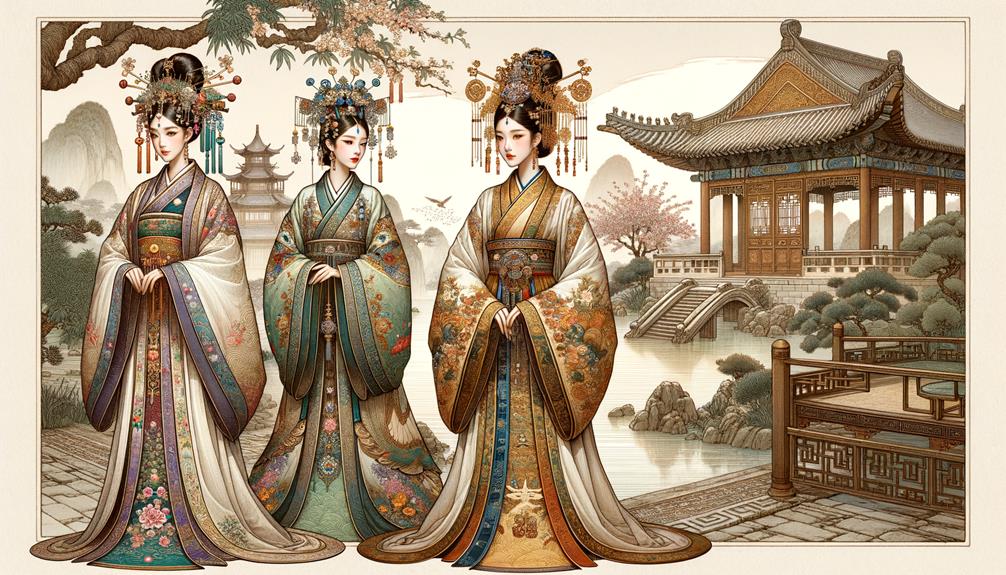
In the Han and Tang Dynasties, fashion combined elegance with cultural expression. The clothing from these eras, characterized by wide sleeves and layered garments, reflected the refinement of ancient Chinese society. Each piece was a statement of social status and cultural identity as well as fabric.
Han Dynasty clothing was marked by simplicity and elegance, while the Tang Dynasty embraced vibrant fashion trends influenced by international trade. This blend of local and foreign elements created a unique style that still resonates today.
Here is a glimpse into the distinctive aspects of Han and Tang fashion:
| Dynasty | Style Characteristics | Cultural Significance |
|---|---|---|
| Han Dynasty | Wide sleeves, layered garments | Emphasized grace and social hierarchy |
| Tang Dynasty | Colorful, vibrant, diverse | Showcased cultural exchange and innovation |
| Both Dynasties | Elaborate hairstyles | Symbolized social status and beauty |
| Modern Impact | Inspired contemporary designs | Blends historical charm with modernity |
In both dynasties, elaborate hairstyles further accentuated personal appearance, reflecting the intricate social fabric of ancient Chinese society. These fashion trends weave a narrative of elegance and cultural identity that still inspires modern interpretations.
Ming Dynasty Garments
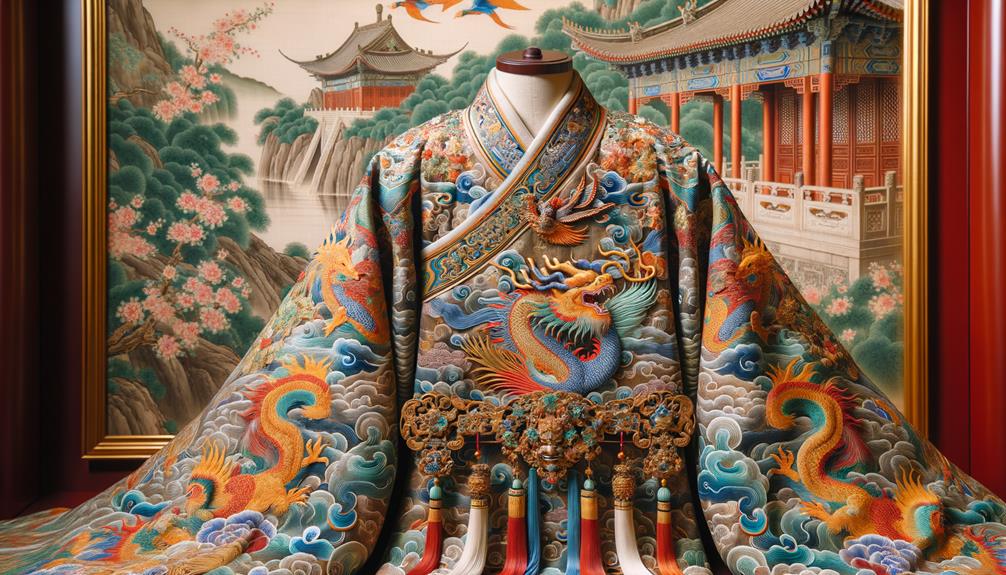
The exquisite garments of the Ming dynasty are defined by intricate embroidery and symbolic patterns that adorn their opulent robes. The majestic dragon and phoenix motifs signify imperial power and strike a delicate balance between the energies of Yin and Yang. These designs continue to influence modern fashion, blending ancient craftsmanship with contemporary aesthetics.
Elaborate Robes and Embroidery
The Ming dynasty‘s elaborate dragon robes, with their intricate embroidery, capture the delicate balance of Yin and Yang and reflect the profound nuances of Chinese culture. The meticulous craftsmanship of these garments embodies both artistic beauty and symbolic depth. Each stitch tells a story of imperial power, prosperity, and harmony.
Rich colors and luxurious fabrics, mainly silk, envelop the wearer in an aura of opulence. The dragon robes, exclusive to the emperor, feature symbolic patterns that denote authority and celestial favor. Empresses’ court robes, adorned with phoenix symbols, signify grace and feminine power, adding to the visual and cultural character of the era.
Dragon motifs represent imperial power and divine protection. Phoenix symbols signify beauty, grace, and feminine strength. Rich colors, such as crimson and gold, reflect status and wealth. Luxurious fabrics like silk epitomize opulence and comfort. Intricate embroidery tells stories of prosperity and harmony.
These garments are more than clothing; they form a visual narrative of a complex and hierarchical society. The interplay of colors, patterns, and textures invites further exploration of the rich cultural heritage of the Ming dynasty.
Influences on Modern Fashion
Drawing inspiration from the Ming dynasty‘s opulent dragon robes, modern fashion designers blend ancient symbolism with contemporary styles, creating a timeless dialogue between past and present. These symbolic designs and rich colors, rooted in centuries-old traditions, continue to shape today’s fashion landscape.
Ming dynasty court robes for empresses, adorned with intricate phoenix symbols, offer a glimpse into a world where garments were powerful statements of status and prosperity rather than mere clothing. The elaborate embroidery on these robes, with its meticulous craftsmanship, tells the story of an era deeply attuned to the balance of Yin and Yang. These elements have survived and flourished, influencing modern fashion trends with their aesthetic and conceptual depth.
In today’s fashion, the luxurious feel of embroidered silk garments echoes the grandeur of Ming dynasty attire. Designers combine traditional Chinese symbolism with contemporary styles, giving new life to ancient motifs. The dragon robe’s detailed embroidery and vibrant hues find resonance in modern collections, showing that the past’s intricate craftsmanship still holds sway over how people dress today.
Ethnic Minority Dress
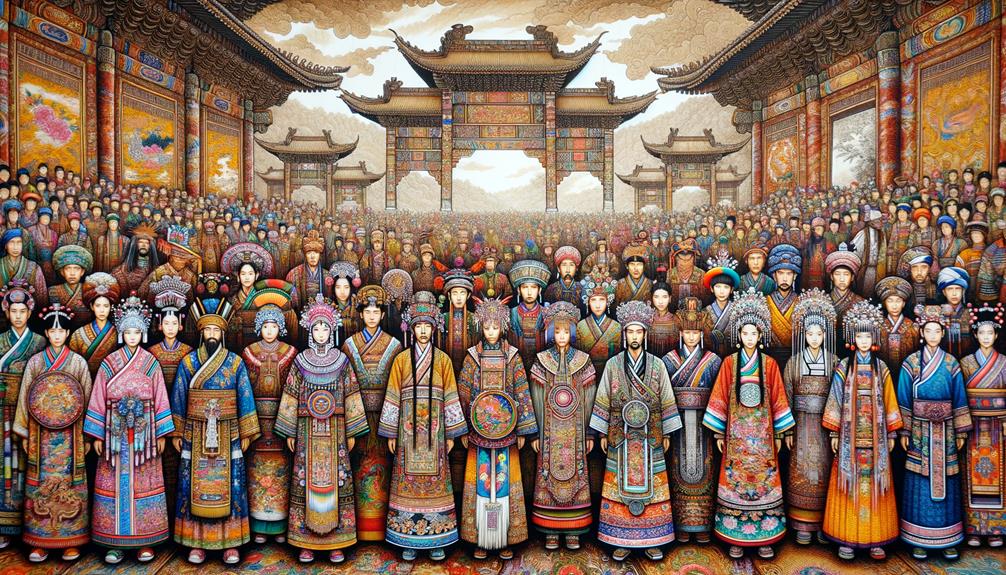
The rich cultural heritage of China’s ethnic minority groups shows through their vibrant and diverse traditional dress. Each style tells a unique story of cultural identity, shaped by centuries of exchange and blending influences from Southeast Asia, Islamic traditions, and the Silk Road.
The Dai people, for instance, wear tight-fitting shirts and narrow skirts, reflecting the Southeast Asian influences in their attire. Their colorful clothing shows their connection to the tropical regions they inhabit. Tibetans wear long woolen robes and elaborate headdresses, often reserved for special occasions. These garments are both practical and symbolic, reflecting a way of life shaped by the harsh, high-altitude environment.
Uyghur clothing is characterized by colorful scarves and intricate embroidery, each stitch telling a story of their rich trading history. By contrast, the Zhuang people prefer simple, earthy tones, with men typically wearing tang suits and women donning collarless jackets that emphasize functionality and simplicity.
Traditional clothing styles among these ethnic minority groups preserve cultural identity and offer a glimpse into the many strands of human history.
Dai: Tight-fitting shirts, narrow skirts
Tibetan: Long woolen robes, elaborate headdresses
Uyghur: Colorful scarves, intricate embroidery
Zhuang: Plain, earthy colors, tang suits, collarless jackets
Influences: Southeast Asian, Islamic, Silk Road
Frequently Asked Questions
What Is the Fashion Style in China?
Contemporary Chinese fashion combines tradition and modernity. On the streets, trendy streetwear coexists with elegant, minimalist designs. Merging cultural heritage with global trends has created a unique, evolving style that is both nostalgic and forward-looking.
What Is the Traditional Clothing of China?
Traditional Chinese clothing, particularly the Hanfu, is known for flowing silks and a loose, comfortable fit with intricate embroidery. It reflects the country’s rich cultural heritage and long-standing artistry.
When Did Fashion Start in China?
Fashion in China has a history spanning over 5,000 years. Its evolution shows an intricate weave of innovation and tradition that reflects the country’s societal transformations and cultural richness, and history continues to influence what people wear today.
How Does Chinese Culture Influence Fashion?
Chinese culture weaves history into fashion in a dense and deliberate way. Symbolism, spirituality, and philosophical ideals translated into garments have had a lasting effect on modern design, continuing to shape both innovation and elegance.