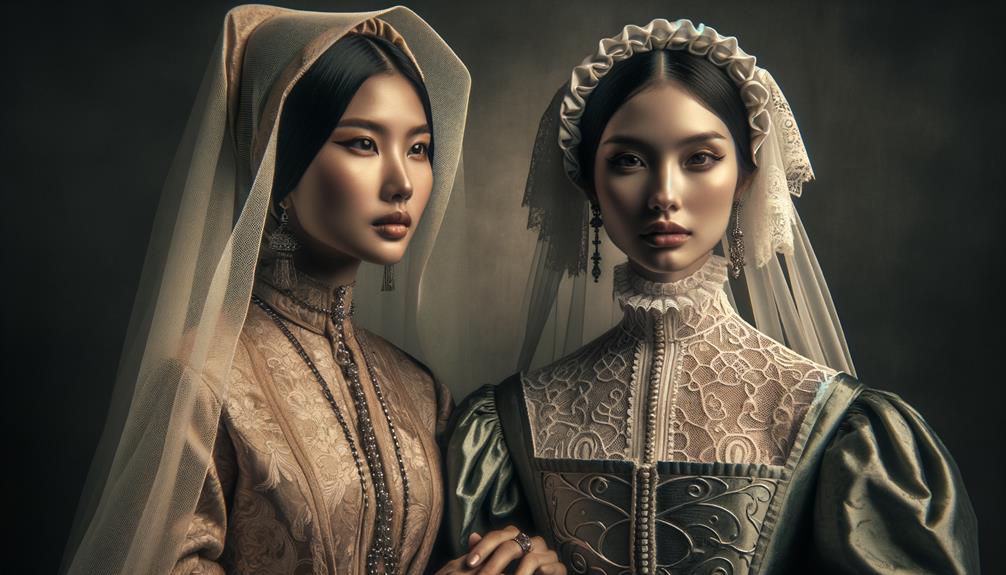
Medieval textile production combined skill and tradition in equal measure. The process began with raw materials like wool, carefully sorted and washed to achieve the right quality. Spinning, using tools like spindle whorls or later spinning wheels, transformed these fibers into fine yarn. Weaving was a true art form, with horizontal looms and foot pedals working together to create fabric. The dyeing process was equally intricate, relying on natural mordants and vibrant colors sourced from plants like woad. Textiles played a significant role in medieval society, serving clothing while also showing social status and devotion, adorning everything from homes to churches. Each step in the process reveals more about this craft.
Raw Materials
In medieval textile production, wool was the primary raw material, carefully sorted by its coarseness to determine its specific use. The precision required at each stage of wool production was considerable. The process began with washing the wool, using soap, hot alkaline water, and lye, to remove grease, oils, and dirt. This thorough cleansing was vital for achieving high-quality textiles.
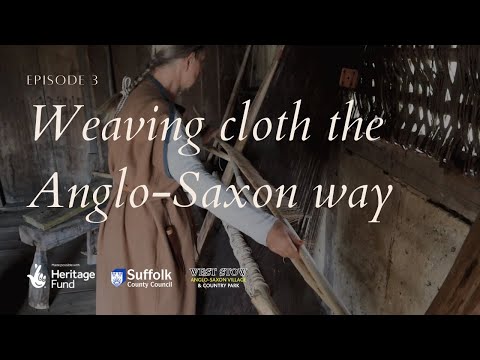
The next step involved manually beating the wool with sticks, typically willow branches, to remove any remaining foreign matter. This labor-intensive process prepared the fibers for dyeing and ensured a uniform texture. Dyeing was an intricate process. Preliminary dyeing used natural mordants to lock in vibrant colors, with methods like woad dyeing taking up to three days to secure color fastness.
Greasing wool before further processing was another critical practice. Substances like butter or olive oil were applied, providing a protective layer that safeguarded the fibers during the harsher stages. Sometimes, lanolin, the natural grease found in wool, was left intact to act as a lubricant. This careful preparation of raw materials laid the foundation for the textile industry‘s success, and influenced the quality of foreign cloth imported into medieval markets.
Spinning Techniques
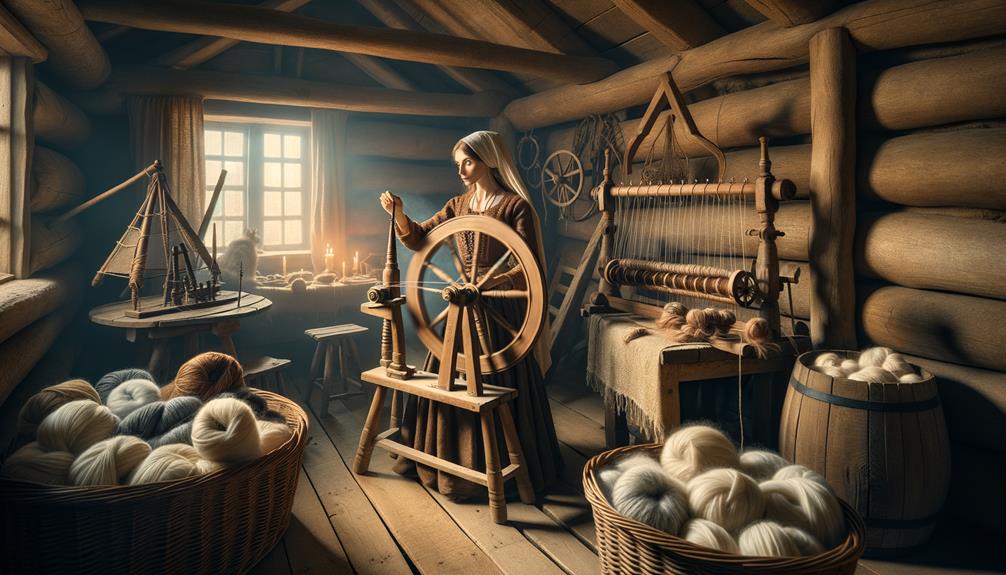
Medieval spinning techniques, which involved the careful use of spindle whorls crafted from bone, wood, or clay, demonstrate the ingenuity and dexterity of medieval artisans. A skilled spinner hand-twists wool fibers into yarn, adding fibers rhythmically to create a continuous thread with remarkable precision. The variations in spindle whorls allowed for different yarn thicknesses, catering to a wide array of textile needs.
The introduction of spinning wheels in the late Middle Ages greatly increased the speed and efficiency of yarn production, transforming the textile industry. Among the fibers spun, wool was predominant, but flax and silk also played significant roles. Each fiber required a unique approach. Flax needed to be wetted to ease the spinning process, while silk demanded a delicate touch due to its fine nature.
These spinning techniques show artisans balancing tradition and innovation. They met the demands of their time and laid the groundwork for later advances in textile production.
Weaving Processes
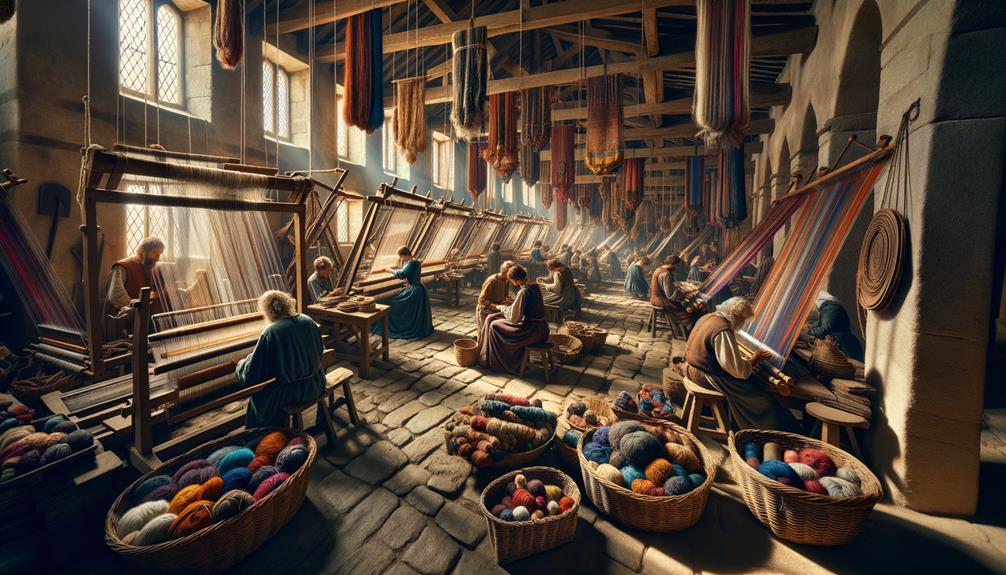
Weaving, a delicate interplay of threads, transformed simple fibers into vibrant textiles through the skilled hands of medieval artisans. The weaving processes of this era were highly advanced. By drawing weft threads through the perpendicular warp threads, artisans could create a diverse array of fabrics. The shift from vertical to horizontal looms marked a significant milestone in cloth production, improving efficiency and precision. These horizontal looms, often fitted with foot pedals and shuttles, allowed weavers to produce fabric more swiftly and with greater consistency.
The dexterity and attention to detail of these weavers is striking. By varying the weights of the warp and weft threads, they achieved different textures and strengths in the finished cloth, catering to the needs of their time. Each loom showed real innovation, embodying the ingenuity of medieval history. The finished products, whether simple or elaborate, showcased the weavers’ expertise and the sophisticated technology they employed. The evolution of weaving went well beyond making cloth. It pushed the boundaries of what was possible in textile production.
Dyeing Methods
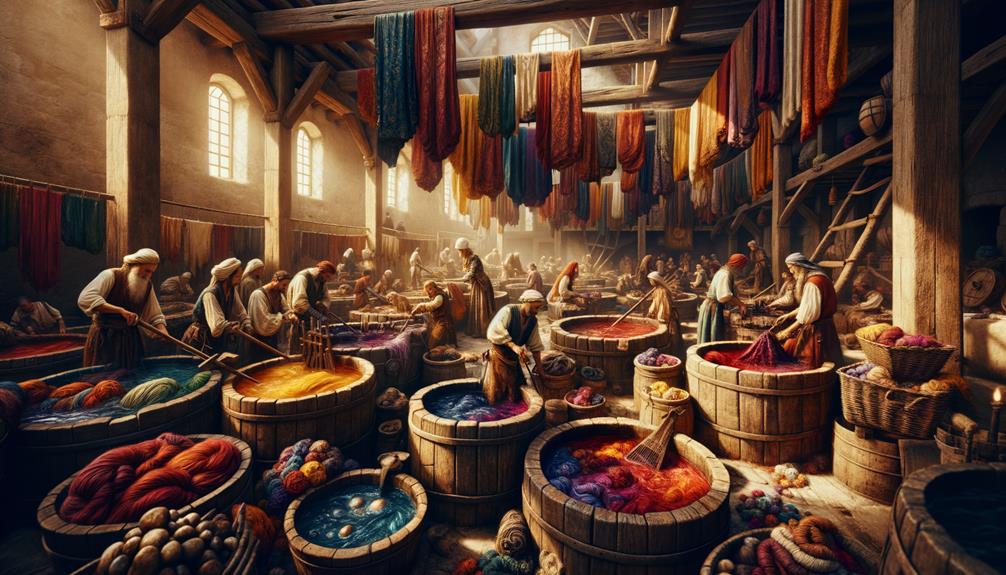
The vibrant hues of medieval textiles owed much to the careful dyeing methods used by artisans. These methods, drawing on a long tradition, relied on dyestuffs like woad, madder, and weld, each contributing to the colors that defined medieval Europe.
The process of textile dyeing was a complex, multi-step affair. Cloth dyers often relied on mordants to secure colors and improve color fastness, so the hues remained vivid through wear and washing. Each region had its own dyeing traditions, often favoring certain colors that became synonymous with local identity.
| Dyestuff | Color Produced | Region of Popularity |
|---|---|---|
| Woad | Blue | Northern Europe |
| Madder | Red | Southern Europe |
| Weld | Yellow | Western Europe |
| Indigo | Deep Blue | Imported widely |
| Cochineal | Crimson | Later periods |
These dyeing methods had a clear effect on the final appearance and market value of textiles. The artisans’ dedication to their craft produced beautiful fabrics that also held up over time, in both durability and historical significance.
Textile Uses
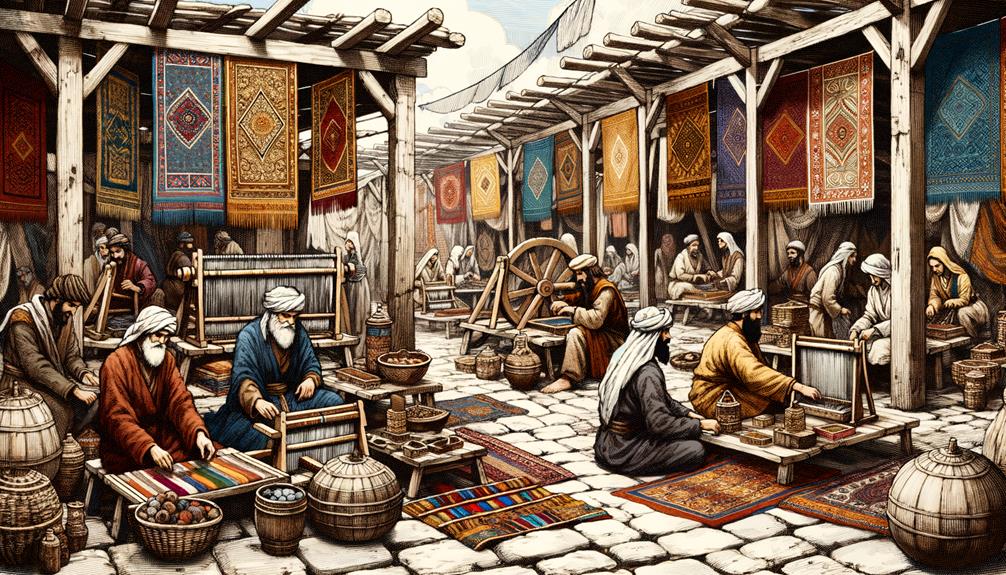
Textiles in the Middle Ages had a multifaceted role, serving as essential household items and clothing while also acting as significant symbols of social status and religious devotion. In daily life, medieval cloth was omnipresent, from the bedding that provided warmth on cold nights to the curtains that offered privacy.
In urban centers, cloth production flourished, particularly in the late Middle Ages. The introduction of the spinning wheel and the fulling process, which cleaned and thickened fabric, transformed textile production. The quality of fabric often indicated social standing, with nobles adorning themselves in luxurious textiles and common folk wearing simpler, coarser cloth.
Religious institutions adorned altars with richly embroidered cloths, and priests wore vestments crafted with elaborate designs. These textiles, imbued with spiritual significance, found their way into ceremonial banners and tapestries, reflecting religious devotion.
The versatility and durability of medieval textiles made them a staple in trade, with textiles being exported far and wide, cementing their role in the economy. The full spectrum of medieval life was intertwined with fabric, each thread telling a story of its time.
Frequently Asked Questions
How Were Textiles Made in Medieval Times?
The process was meticulous. Wool was sorted, cleaned, and dyed before being spun and woven, then finished through techniques like fulling, shearing, and napping. The craftsmanship of medieval textile makers laid the groundwork for later innovations in the field.
What Materials Were Medieval Clothes Made Of?
Three primary materials were used to craft medieval clothes: wool, linen, and silk. Wool’s versatility made it a staple, linen provided a breathable fabric, and silk, often dyed in vibrant hues, adorned the wealthy.
Who Made the Clothes in Medieval Times?
In medieval times, skilled artisans, clothiers, and textile workers crafted clothes. These skilled professionals, like those in Colchester and Norwich, oversaw the entire process, leaving a lasting impact on society and the landscape.
What Was Produced in Medieval Times?
Medieval workshops produced everything from everyday clothing to intricate tapestries. The use of wool, linen, and silk showed remarkable craftsmanship, comparable in precision to much later technical traditions.