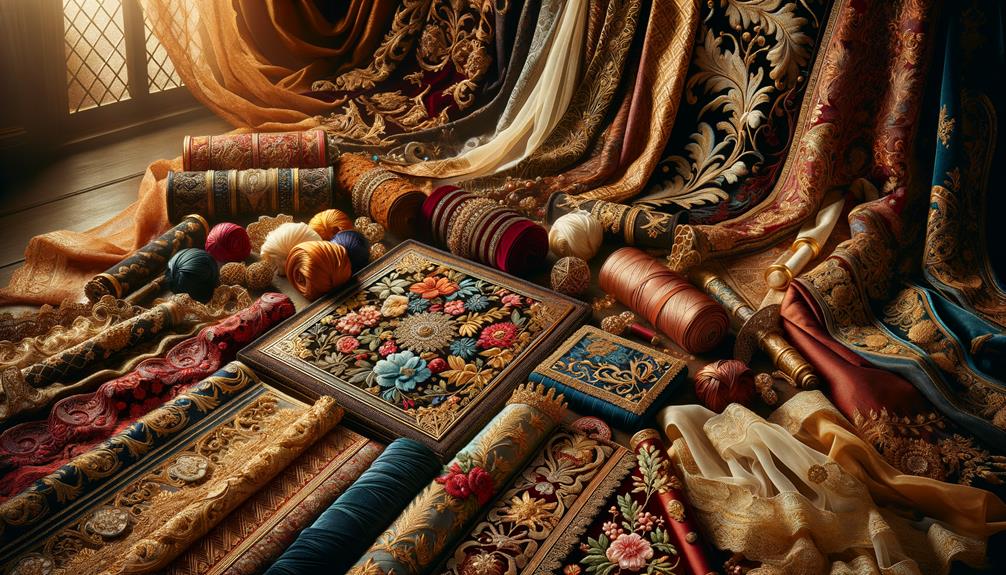
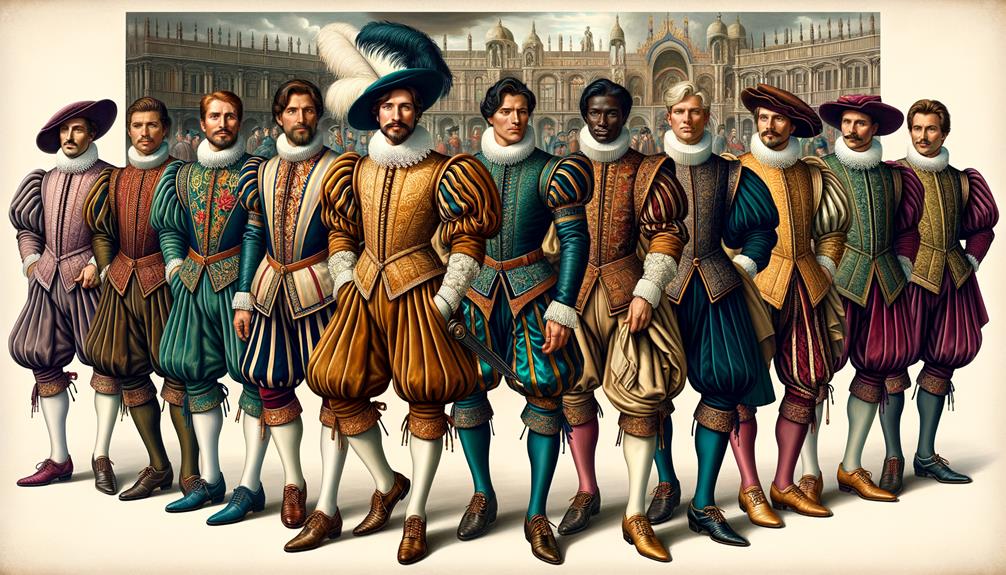
Renaissance children’s fashion is a true delight, with its miniature versions of adult sophistication. Little girls in high-waisted gowns with puffy sleeves and intricate embroidery look like tiny nobles. Boys, on the other hand, embody the spirit of knights, wearing comfortable yet fantastical costumes that blend history with imagination. The craftsmanship of their leather shoes and hoods speaks to an era that valued durability and elegance. These outfits, sewn from wool and linen, evoke a nostalgia that’s hard to resist. Each piece tells a story, waiting to unfold more about this enchanting period.
Renaissance Maiden Outfits
Renaissance maiden outfits for children reflect the elegance and sophistication of their era. The delicate balance between functionality and beauty in these garments is striking. In the Renaissance period, children’s clothing mirrored adult fashion, exuding the grace and dignity of the time.

Little girls at a Renaissance fair wore long, flowing dresses with high waists and puffy sleeves that swayed as they moved. Each stitch and embroidery told a story about their family’s status. The intricate embroidery was more than show; it was a reflection of the artistry and craftsmanship of the time. Adorned with delicate jewelry, intricate headdresses, and flowing scarves, these outfits were meticulously designed to make young girls feel like miniature nobility.
The transformative power of these costumes is their most striking quality. They allow children to step into a different world, embracing a sophisticated past while offering a tangible connection to history. This blend of tradition and imagination brings the elegance of Renaissance maiden outfits into the modern age.
White Knight Costumes
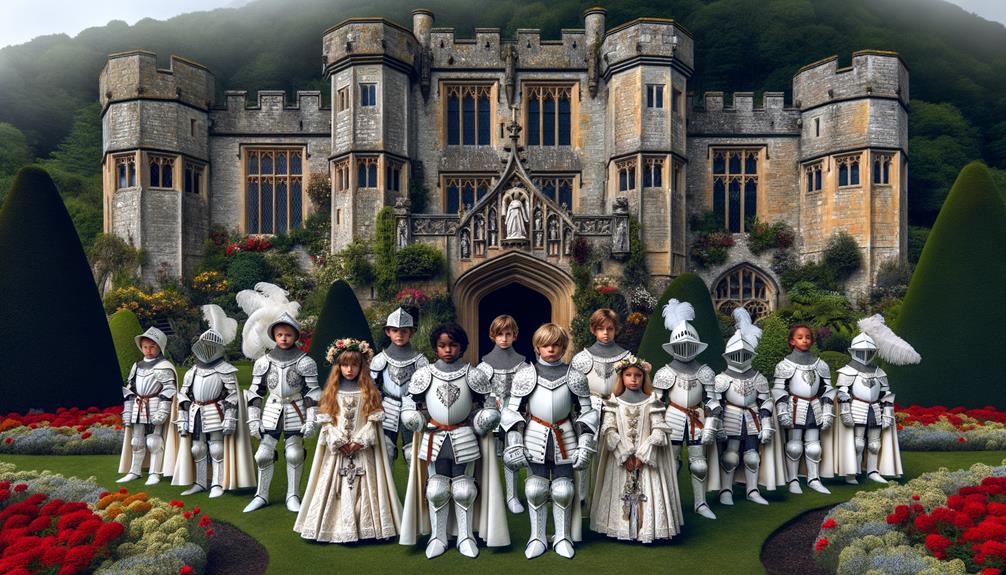
The White Knight Costumes for boys evoke a sense of noble bravery and timeless chivalry, reminiscent of a bygone era where honor and valor were deeply ingrained in everyday life. These knight costumes recall a time when noble deeds and heroic acts were the norm.
What sets this costume apart is its unique blend of history and fantasy, allowing children to embody the virtues of knights while indulging in the joy of make-believe. Available in various sizes, this knight costume guarantees a comfortable fit for boys of different ages, letting each child create their own tale of chivalric adventure.
Medieval Shoes for Kids
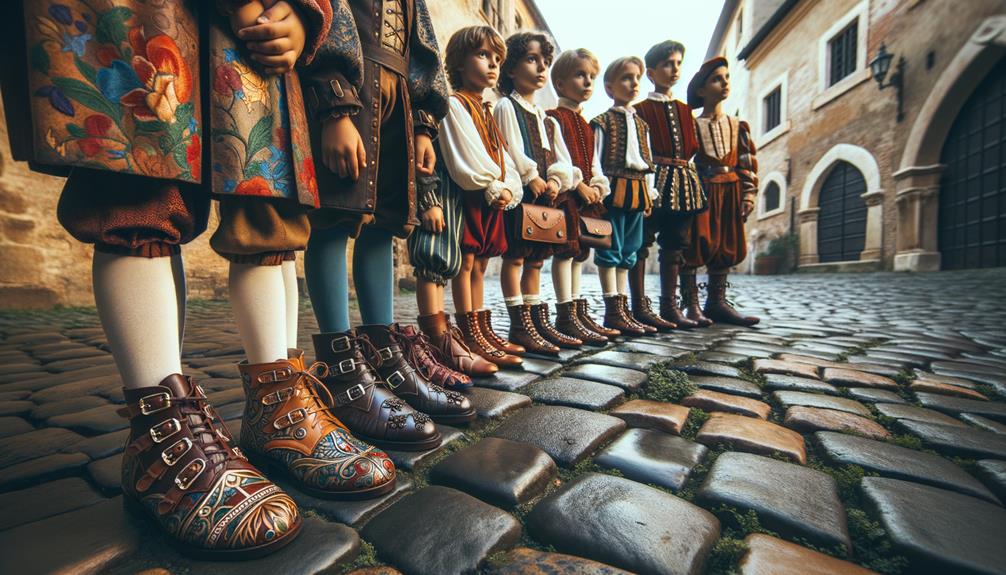
The meticulous craftsmanship that goes into making medieval shoes for kids is remarkable. The combination of traditional leather and intricate details transports the wearer to another era. These shoes offer comfort and also provide an authentic connection to the past, making them more than just accessories.
Types of Medieval Footwear
In medieval children’s fashion, footwear played a unique role, reflecting the era’s craftsmanship and social nuances. The humble shoes completed the Renaissance outfits, grounding children in a world rich with history and culture.
Leather shoes were a staple, offering durability and elegance. Brands like ArmStreet provided a range of such shoes, allowing children to step into the past with authenticity. Styles like Fireside Family and Lothar The Fast were gateways to a bygone era, each pair whispering tales of medieval life.
For those attending Renaissance festivals, these shoes were a connection to a storied past rather than mere attire. The comfort and style they offered made them popular choices, allowing children to participate fully in the festivities without the hindrance of modern footwear. Paired with linen or cotton pants, these shoes completed the ensemble, grounding the wearer in an experience both educational and enchanting. Each stitch and sole reflected the essence of medieval craftsmanship, inviting us to walk a mile in history’s shoes.
Materials and Craftsmanship
Medieval children’s shoes, crafted from high-quality leather, show the ingenuity and craftsmanship of the time. These small yet sturdy creations capture the essence of an era when durability was a matter of survival. Each pair served as both protection and decoration for young feet exploring a world fraught with uneven paths and unpredictable terrain.
The craftsmen of the time poured their hearts into these miniature masterpieces, ensuring they could withstand the rough play and endless curiosity of childhood. They were creating a promise of care and protection, not merely making shoes. The sturdy soles and reliable stitching were essential elements of these shoes, guaranteeing they would stand up to the trials of daily life.
Despite the focus on practicality, the craftsmen didn’t sacrifice aesthetics for utility. Instead, intricate designs and delicate embellishments coexisted with functionality, creating footwear that was both beautiful and functional. The choice of materials reflected a deep understanding of the balance between form and function. In each pair of medieval children’s shoes, there is a tribute to an era that valued both resilience and artistry, a lesson in creating something that’s both enduring and beautiful.
Adventure Kids Outfits
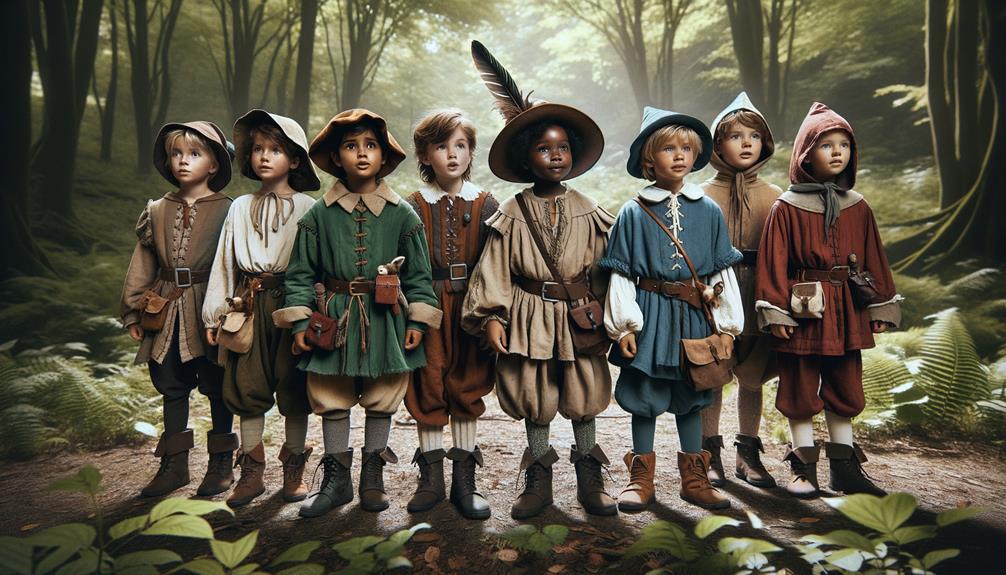
Kids dressed in Adventure Kids Outfits show how practicality and durability blend with style and elegance. These medieval-inspired clothes are thoughtfully designed for both play and comfort. Whether it’s rain, shine, or anything in between, these outfits adapt to the changing seasons, ensuring the spirit of adventure remains unbridled.
Practicality and Durability
Renaissance children’s clothing struck a remarkable balance between practicality and durability, allowing kids to explore their world while mirroring the elegance of adult attire. The garments were thoughtfully designed to meet the needs of active children, ensuring they could engage in daily activities without worrying about wear and tear.
The materials used were hard-wearing, often made from sturdy fabrics that could withstand the rough-and-tumble nature of childhood. This practical choice was about saving money as well as longevity. Families had to consider the rapid growth spurts of their little ones, and durable clothing meant fewer replacements and more savings.
The key features of these outfits included:
- Sturdy Materials: Heavy fabrics like wool and linen ensured the clothes lasted longer.
- Simple Designs: Uncomplicated patterns allowed for unrestricted movement, perfect for play.
- Economic Sense: Durable attire meant fewer purchases, easing the financial burden on families.
These outfits invite admiration for the interplay between function and form. They reflected the societal importance of correct dressing and also allowed children to participate fully in their world, embodying a balance that’s both practical and profound.
2. Style and Elegance
Adventure Kids Outfits merge the refinement of Renaissance fashion with the vibrant energy of childhood. The craftsmanship is evident in each piece, from the rich, high-quality wool and linen materials to the intricate details of tunics and surcoats. These garments are miniature masterpieces that evoke an era of grandeur while allowing for the boundless adventures of young explorers.
Each outfit tells a story, with belts cinching waists just so, and hoods and capes draping with an air of mystery and excitement. These children seem to be stepping out of history books, ready to take on quests that modern life rarely offers. The fusion of authenticity and playfulness pays tribute to a time when fashion was both an art and a statement, and yet, here it is, revived for the smallest of wearers.
These pieces capture the imagination, transporting both the wearer and the observer to a bygone era. Adventure Kids Outfits are gateways to a world where refinement and elegance dance hand in hand with youthful exuberance.
3. Seasonal Adaptations
The Adventure Kids Outfits are noted for their thoughtful design adaptations for every season. These outfits capture the essence of Renaissance fashion and also keep children comfortable and stylish, regardless of the weather. Each piece is meticulously crafted to cater to various outdoor activities, making sure that kids can fully immerse themselves in the magic of Renaissance festivals.
The seasonal adaptations are quite clever:
Tunics and Surcoats provide warmth during chilly months while still allowing freedom of movement.
Hoods and Capes shield young adventurers from the elements, be it harsh sun or sudden rain.
Breathable Fabrics ensure that children stay cool and comfortable during warmer seasons.
These outfits inspire nostalgia blended with admiration for their innovation. Each garment seems to whisper tales of medieval adventures while offering modern-day practicality. Adventure Kids Outfits show a successful fusion of historical allure and contemporary needs.
Children’s Medieval Hoods
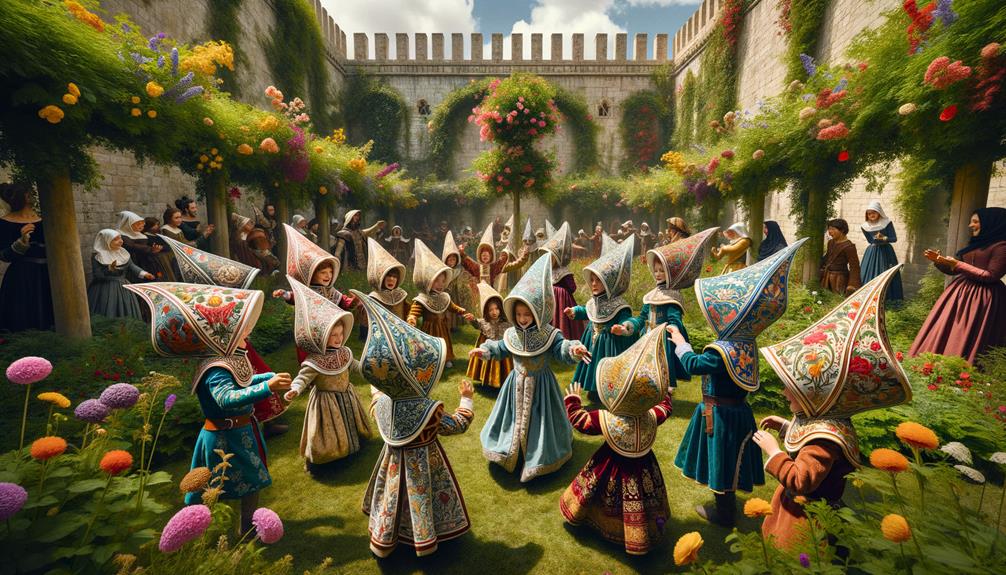
Children’s medieval hoods are a notable aspect of Renaissance fashion. These humble garments served a practical purpose and also conveyed social status and showcased exceptional craftsmanship. These simple yet elegant hoods balanced function and artistry remarkably well. Their primary purpose, of course, was to keep children warm and protected from the elements, shielding them from harsh winds and cold temperatures.
Beyond their practical use, these hoods told a story. Delicate embroidery and intricate trimmings adorned them, reflecting the child’s family heritage and social standing. A single garment could convey so much about one’s life and lineage. The variety in designs, from the humble, unadorned hoods of commoners to the elaborate, richly decorated ones of the nobility, says a great deal about the era’s social hierarchy.
These garments today show timeless beauty and the skill of the artisans who crafted them. These hoods were woven narratives, not simply pieces of clothing; each thread reflected the enduring human desire to blend utility with elegance.
Kid’s Medieval Accessories
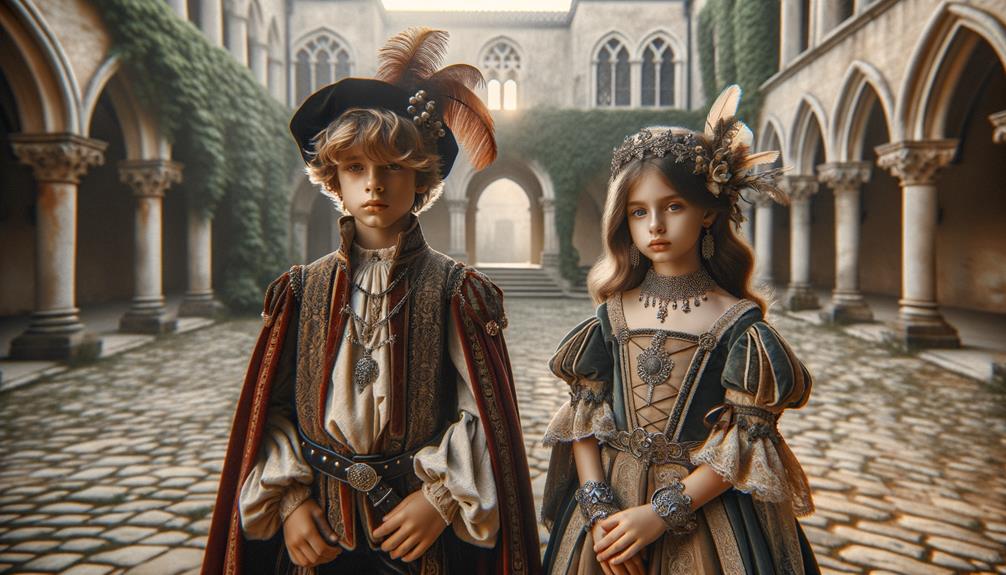
The intricate beauty of children’s medieval hoods is matched by the array of accessories that completed a young noble’s attire. Each piece, from headpieces to capes, played a vital role in creating an authentic and immersive experience for the wearer. These accessories were symbols of status, tradition, and a child’s role in society, rather than mere adornments.
The craftsmanship shows a strong commitment to ethical and sustainable practices. This attention to detail guarantees the quality and the environmental consciousness of each piece. This commitment matters in a modern era, where sustainability is highly valued.
Kids’ medieval accessories, designed with versatility in mind, serve multiple purposes:
- Renaissance fairs: Add authenticity to the experience.
- Costume parties and Halloween: Transform children into little nobles or knights.
- Imaginative play: Foster creativity and historical curiosity.
Belts, hats, and cloaks in various sizes cater to children of all ages, making these accessories accessible and inclusive. These charming items hold more than fabric and thread; they form a connection between past traditions and modern innovations.
Renaissance Festival Costumes
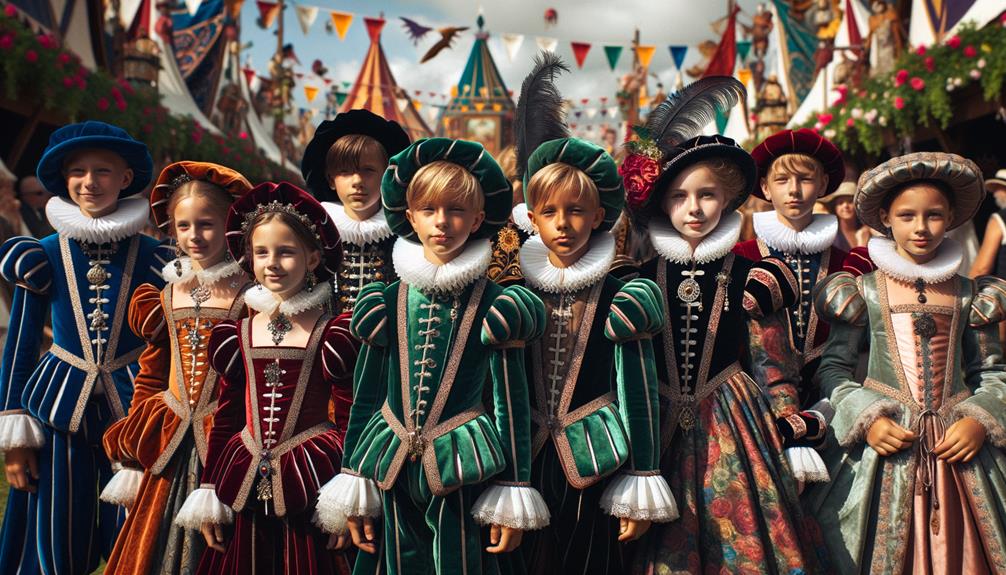
There’s something magical about kids dressed in Renaissance Festival costumes, each piece a doorway to another time. The way tunics, dresses, cloaks, and hooded capes transform them into miniature nobles, knights, and peasants is striking. They seem to have stepped out of a history book, every stitch and embroidery detail bringing the past to life.
These costumes do more than fit the part; they’re designed with both comfort and style in mind. Kids can move freely, whether they’re pretending to joust or simply exploring the festival grounds. The intricate designs and historical details are not merely for show. They create an authentic atmosphere, making these outfits perfect for fairs, costume parties, Halloween, and even imaginative play at home.
Parents, too, appreciate the variety. With sizes catering to different ages and builds, finding the perfect fit for any child is easy. Each costume serves as a reminder of the timeless allure of the Renaissance, a period that continues to fascinate us. In these garments, kids don’t just wear history; they become a living part of it.
Frequently Asked Questions
What Did Renaissance Children Wear?
Renaissance children’s attire blended practicality and tradition. Boys dressed similarly to their fathers, while girls wore simpler, yet elegant gowns. Multiple layers were worn for play, and infants were swaddled, reflecting an era where children’s clothing mirrored the dignity of adulthood.
How Did Children Dress in the 1500s?
Kids in the 1500s dressed like tiny versions of their parents. Their clothes mirrored their family’s social status and practical needs. Even then, what people wore said a great deal about who they were and how respectable they were.
What Were Children Like in the Renaissance?
Children in the Renaissance lived lives that were miniature versions of their adult counterparts, burdened by the weight of family expectations and the passing of time. They would play and learn, but always with the shadow of responsibility looming over them.
What Were the Fashion Trends in the Renaissance?
Renaissance fashion was a delicate balance of refinement and social standing. Rich fabrics, intricate designs, and attention to detail told a story about identity and status. Clothing was a powerful tool for conveying social position and prestige.