Wearing a Dashiki connects the wearer to a rich cultural heritage, celebrating West African traditions and pride. Originating in Nigeria, Togo, and Ghana, this vibrant shirt embodies artistry and strength. It is a symbol of identity, and it is more than just clothing. The dynamic Angelina prints and diverse colors represent unity and cultural legacy. Perfect for cultural events, casual outings, and even formal occasions, the Dashiki continues to make a bold statement. From the Civil Rights Movement to modern times, this iconic shirt tells a story, inviting those who wear it to explore its deeper meaning.
What Is Dashiki?
Dashiki, a traditional African garment, is a striking representation of vibrant colors and intricate designs. Its unique blend of comfort and bold statement is immediately noticeable. Originating in West Africa, this garment is a staple in countries like Nigeria, Togo, Benin Republic, and Ghana. The colorful fabrics are not just visually appealing. They also convey stories of cultural pride and heritage.

The loose-fitting nature of the Dashiki makes it versatile and comfortable, suitable for both men and women. It is a celebration of African identity, and it is more than just clothing. The iconic Angelina print, featuring complex patterns, evokes a sense of history and craftsmanship. Each color holds significance. Gold often symbolizes fertility, while red represents the blood of ancestors.
Wearing a Dashiki is like wearing a piece of art. Its adaptability makes it suitable for both formal and informal events. The Dashiki is an emblem of pride and a vivid reminder of the rich cultural heritage of West Africa.
History and Origins
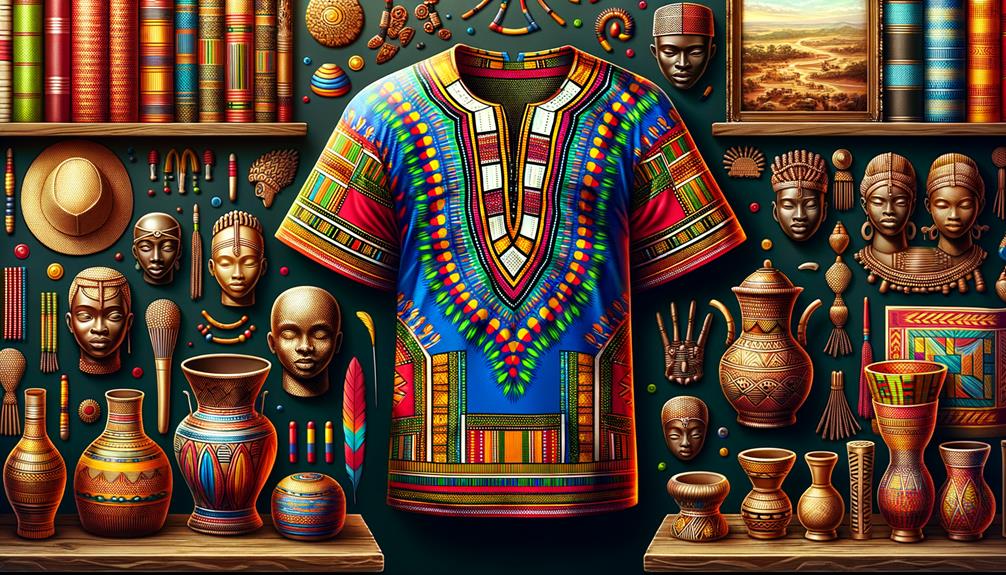
The vibrant Dashiki attire has deep roots in West African history and culture. The Dashiki, a loose-fitting shirt adorned with intricate embroidery, emerged from countries like Nigeria, Togo, Benin Republic, and Ghana. It stands as a powerful symbol of cultural pride and freedom, reflecting the depth of West African traditions.
The vibrancy of the Dashiki goes beyond its colors. Each hue tells a story. Gold symbolizes fertility, while red represents blood. These are expressions of identity and heritage, and they are more than mere fashion statements.
| Country | Cultural Significance |
|---|---|
| Nigeria | Symbol of Freedom and Pride |
| Togo | Traditional Celebrations |
| Benin | Historical Roots |
The Dashiki was introduced to American culture in the 1960s, becoming a bold emblem of freedom during the Civil Rights Movement. Its loose-fitting design and vibrant colors made it a perfect canvas for expressing individuality and resistance.
In its embroidery and patterns, the Dashiki encapsulates the spirit of West African artistry, making it more than just a piece of clothing. It is a vivid reflection of the enduring legacy and vibrant culture of West Africa.
Occasions to Wear
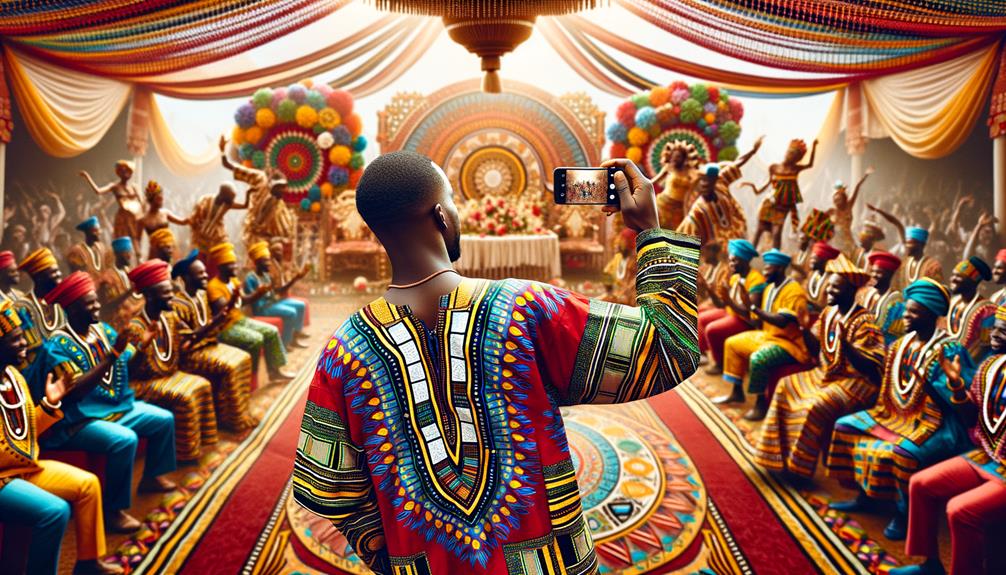
The vibrant colors and intricate designs of traditional attire make the Dashiki shirt perfect for a variety of occasions. The Dashiki shirt, with its African prints, makes a striking impression at cultural events and celebrations, where its rich symbolism and heritage shine.
For casual wear, the Dashiki shirt stands out. Whether heading to a relaxed picnic or a beach party, it provides a unique, stylish African-inspired look that is both comfortable and eye-catching. The vibrant colors and bold patterns transform a simple outing into a fashion statement.
The Dashiki shirt’s versatility extends to more formal occasions as well. It can effortlessly switch from a lively party to a sophisticated wedding, commanding attention with its intricate designs and cultural significance. Attire that suits both a laid-back gathering and an elegant celebration is rare, yet the Dashiki manages this with ease.
In short, the Dashiki shirt is a versatile piece that enhances any event, making every occasion vibrant and memorable.
Types of Prints
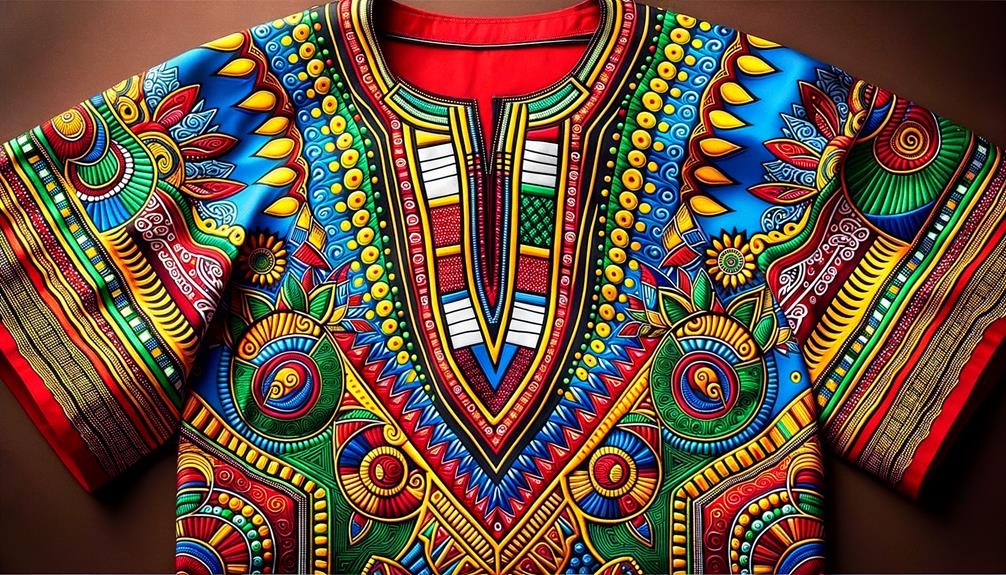
Dashiki prints carry a rich cultural heritage behind their intricate patterns. These traditional designs have been woven with meaning, telling stories that resonate deeply across generations. Modern variations have emerged, blending contemporary aesthetics with these age-old designs. The prints are visually striking, and they carry symbolism such as gold representing fertility and red symbolizing blood, which holds significance across cultures.
Traditional Patterns Overview
Exploring traditional Dashiki patterns reveals the rich cultural heritage woven into each vibrant print. Every Dashiki tells a story, with iconic designs like the Angelina print standing out for their striking motifs. The colours and patterns are steeped in meaning, and they are not just visually stunning.
Take the red hues commonly found in these prints, which symbolize blood and the life force. Gold shades often represent fertility and prosperity. The cotton fabric, in its deep tones, creates a striking contrast that enhances the intricate designs, making each shirt a work of art.
Wearing a Dashiki print connects the wearer to a broader cultural narrative. The versatility of these shirts, which come in various sizes and can be styled in many ways, offers endless possibilities. Whether it is a mini dress or paired with leggings, traditional West African print clothing brings a distinctive flair to modern wardrobes, uniting its wearers in a shared appreciation for this timeless art form.
Modern Print Variations
Modern Dashiki prints, like the bold and intricate Angelina design, stand out for their vibrant colors and deep cultural roots. The Angelina print, created by Toon van de Manakker, stands out with its detailed patterns and bright hues, blending tradition with modern fashion. Each Dashiki shirt featuring this print is a canvas of history and innovation, making it a wardrobe staple.
The vibrant colors, gold symbolizing fertility and red representing blood, infuse the fabric with life and meaning. These unique prints offer a cultural appeal that unites Africans across diverse backgrounds, celebrating a shared heritage while embracing contemporary trends. The creative styling opportunities these Dashiki shirts provide are a major draw, whether worn as mini dresses or paired with leggings for a modern twist.
In the world of African clothing, the versatility of Dashiki prints is unmatched. They bring a touch of tradition and color to any ensemble, making each piece a statement of individuality and cultural pride. This blend of unique prints and vibrant colors keeps the style fresh, offering endless possibilities in modern fashion.
Cultural Symbolism Explained
The cultural symbolism of Dashiki prints shows how each design tells a unique story of heritage and identity. The vibrant colors used in Dashiki prints, such as gold symbolizing fertility and red representing blood, convey deep cultural significance. These colors and designs are not arbitrary choices. They are rooted in the rich traditions of West Africa.
The Angelina print, created by Toon van de Manakker, stands out as one of the most iconic Dashiki designs. Its intricate patterns and vibrant hues pay tribute to African heritage and pride, offering a visual narrative of cultural identity.
Wearing a Dashiki is a powerful expression of cross-cultural unity and respect for African roots, and it is about more than fashion. Each print serves as a canvas, celebrating the diversity and richness of West African culture.
- Vibrant colors: Gold for fertility, red for blood.
- Angelina print: Iconic design by Toon van de Manakker.
- Cultural significance: Deep-rooted traditions and meanings.
- African heritage: A visual celebration of history and pride.
- Cross-cultural unity: Embracing and honoring African cultural identity.
In essence, Dashiki prints are a vibrant celebration of cultural symbolism, weaving together stories of the past and aspirations for the future.
Who Can Wear
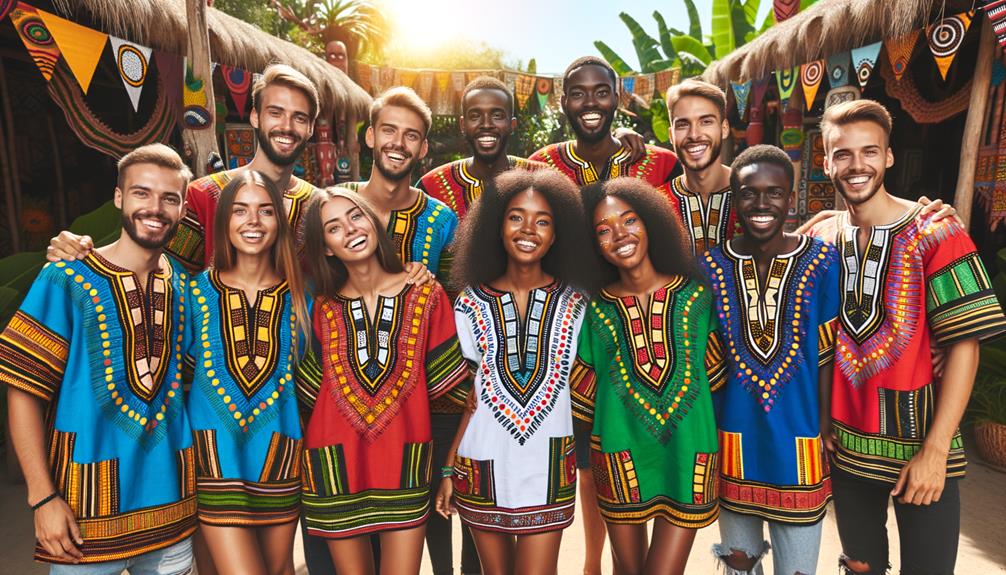
Anyone can wear a Dashiki shirt, embracing its rich heritage and vibrant style. This versatile garment transcends gender, making it a cherished piece for both men and women. Originating from West African countries like Nigeria, Togo, Benin Republic, and Ghana, the Dashiki shirt is a canvas of cultural pride and unity, adorned with vibrant colors and unique designs.
Wearing a Dashiki shirt is a way to express yourself and connect with history, and it is about more than fashion. Whether you are attending formal events or informal gatherings, the Dashiki’s adaptability shines. Its ability to blend tradition with modernity is effortless.
Here is why the Dashiki shirt stands out:
- Unisex Appeal: Suitable for both men and women, breaking traditional gender norms.
- Cultural Connection: A symbol of pride from various West African countries.
- Versatility: Perfect for formal events and casual outings alike.
- Vibrant Aesthetic: The striking colors and intricate designs are visually stunning.
- Expression of Freedom: Introduced to American culture in the 1960s, it represents freedom and self-expression.
Wearing a Dashiki shirt is a celebration of innovation through heritage, a vivid thread of the past woven into our present.
Frequently Asked Questions
What Does Wearing a Dashiki Mean?
Wearing a dashiki is about celebrating African roots, unity, and creative expression through vibrant colors and intricate designs. It is a powerful way to connect with one’s heritage and honor rich traditions.
Who Wears Danshiki?
Dashikis are worn because they symbolize a connection to West African heritage. People from all walks of life wear them, drawn to their vibrant designs and comfortable fit. Wearing dashikis feels like celebrating diversity and creative expression in fashion.
What Country Is Dashiki From?
The dashiki originates from West Africa, specifically Nigeria, Togo, Benin Republic, and Ghana. Wearing it brings a deep connection to its vibrant cultural heritage, which symbolizes freedom and pride. It sparks creativity and inspires authentic self-expression.
When to Wear a Dashiki?
A dashiki is perfect for cultural events, weddings, or casual outings where you want to express your individuality and heritage. The vibrant colors and intricate designs make it a great choice for Black History Month or any occasion where you want to stand out.