Baju Kurung is more than clothing; it offers a way into Malay traditions. The loose-fitting blouse and ankle-length skirt bring modesty and grace together. The embroidery quietly carries age-old stories, customs passed through generations. Seeing the Baju Kurung at weddings or religious events raises questions about how it has adapted while keeping its character. The attire has layers of meaning worth examining closely.
Etymology
The dress style known as ‘Baju Kurung‘ translates directly to ‘enclosed dress,’ which accurately describes its modest, traditional design favored by Malay women. This attire carries centuries of cultural relevance. Tracing its origins to the 13th century, the Baju Kurung was designed with practicality and modesty at its core.

Tun Hassan Temenggong popularized this traditional garment in the 15th century. Composed of traditional Malay textiles or imported silk, the long sleeves and skirt create an elegant yet modest silhouette. Its simplicity is the source of its strength.
The term ‘enclosed dress’ captures the essence of Baju Kurung. The name is about more than covering the body. It is about enveloping oneself in a piece of history. The name itself tells a story of cultural preservation, bringing form and function together. In an age where innovation often signals change, Baju Kurung shows the endurance of tradition.
Historical Background
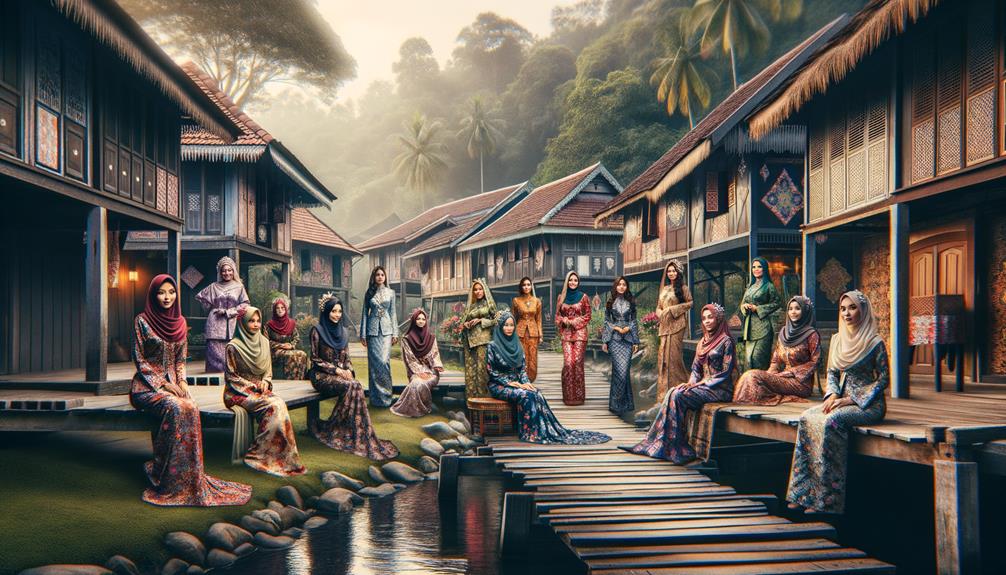
Baju Kurung’s origins trace back to the 15th century when Tun Hassan Temenggong introduced this traditional attire. Over time, it gained prominence as the national dress of Brunei and Malaysia, and its influence spread to Indonesia, Singapore, and Thailand.
Simple yet elegant, the Baju Kurung comprises a loose, full-length tunic and skirt for women, while men wear a slightly varied version. Despite its age, the dress maintains its core elements, which explains its timeless appeal.
The Baju Kurung has absorbed foreign influences while preserving its traditional roots. Contemporary versions feature vibrant hues and intricate designs, which has made it a favored choice for formal events and celebrations. At the same time, the dress remains deeply intertwined with Malay heritage, representing cultural continuity through change.
Within every thread and seam, the Baju Kurung records a rich history, worn by women and men alike and holding both tradition and modernity together.
Components of Baju Kurung
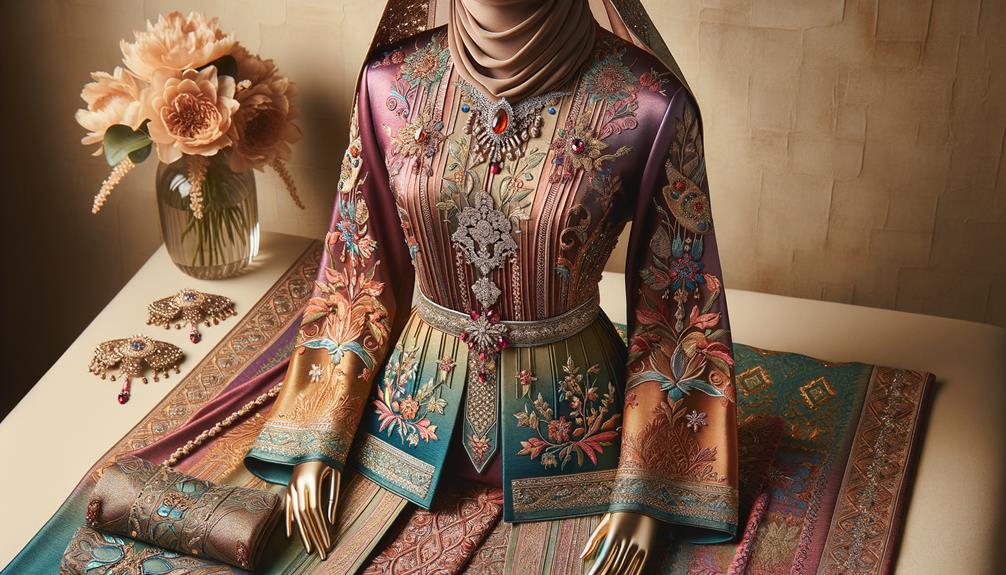
The intricate embroidery and elegant cuts of Baju Kurung outfits are immediately noticeable. The traditional long-sleeved top and flowing skirt show timeless grace, while modern twists keep the style fresh. Designers draw on classic elements while adding contemporary flair, balancing old and new.
Traditional Design Elements
The Baju Kurung shows timeless elegance through thoughtful design. Its loose-fitting blouse with long sleeves and round neckline offers modesty and grace. The ankle-length skirt complements the blouse, creating a harmonious silhouette suitable for various occasions.
Intricate embroidery adds refinement, making each piece unique. Fabric choices range from lightweight cotton for daily wear to luxurious silk for formal events. Long sleeves provide coverage with a graceful flow, while the classic round neckline flatters most face shapes.
The interplay of these components results in an outfit that respects heritage while allowing personal expression. This balance of tradition and versatility keeps the Baju Kurung relevant in modern wardrobes.
Modern Adaptations Styles
Modern designers give new life to the traditional Baju Kurung with refreshing interpretations and contemporary touches. Sleeve lengths and neckline styles shift, each variation adding its own flair. Designers experiment with adornments like lace, embroidery, and sequins, creating visually striking pieces that blend luxury and modernity.
The silhouette takes on a playful quality with asymmetric hems and peplum tops. Mermaid-cut skirts follow the body before flaring out, lending an air of sophistication. These reimagined designs do more than update the look. They redefine it.
Lightweight fabrics like chiffon and satin offer a flowing feel, while brocade and lace add texture. Off-shoulder tops and bell sleeves make appearances, subtly infusing the attire with contemporary flair. High-low skirts and even crop tops now form part of the Baju Kurung repertoire.
Versatility emerges as a key factor. Some ensembles include palazzo pants or jumpsuits, blending tradition and modernity in a way that appeals to fashion-forward wearers today. This fusion of old and new makes the modern Baju Kurung distinctive.
Regional Varieties
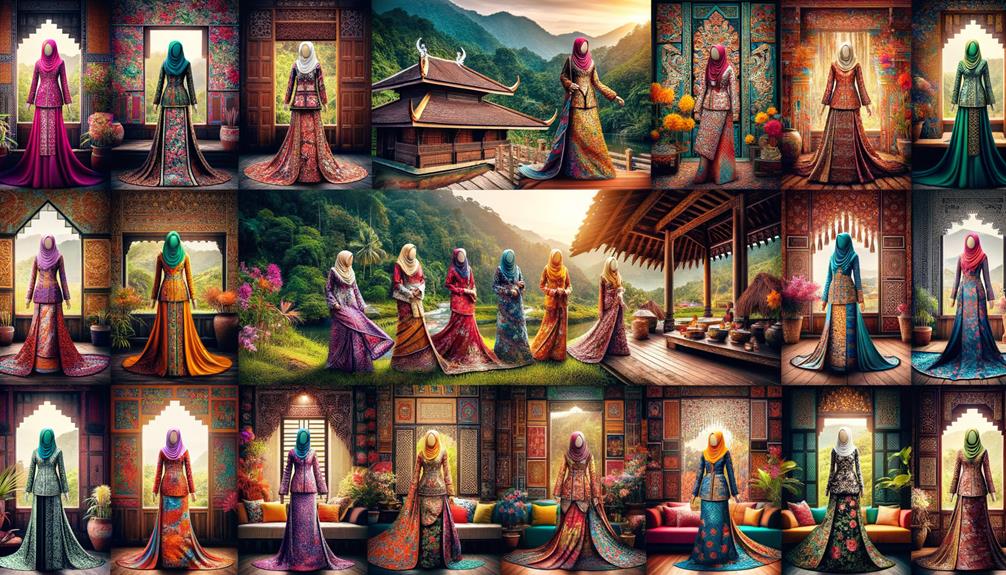
Within Malaysia’s diverse cultural traditions, regional interpretations of the Baju Kurung reveal distinct local influences. The Teluk Belanga style uses traditional woven materials for men’s Sampin sarongs, keeping an authentic look. The Cekak Musang variation features structured collars, buttons, and distinct pocket designs, lending a formal appearance.
These regional styles showcase the heritage and craftsmanship inherent in Malay attire. Their differences can be summarized as follows:
- Teluk Belanga prioritizes simplicity, staying true to tradition.
- Cekak Musang leans towards structured formality.
- Fabric choices span woven textiles to luxurious silks.
- Intricate embroidery and beadwork adorn garments.
Each region brings its own cultural influences to Baju Kurung designs, combining history with contemporary innovation.
Cultural Significance
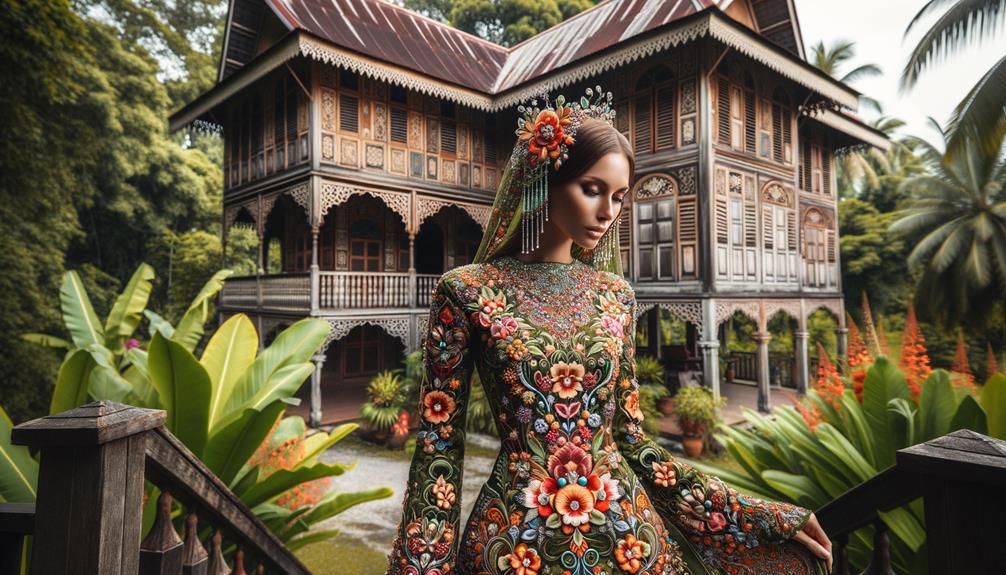
The Baju Kurung, with its regional variations, holds deep cultural significance in the Malay heritage. As the national dress of Brunei and Malaysia, it represents tradition, modesty, and elegance rather than mere clothing.
It is commonly worn at religious ceremonies, weddings, and official functions. The way it brings people together, embodying shared values and customs, is notable. Its presence during Ramadan and Hari Raya Aidilfitri reinforces its roots in Malay culture. The Baju Kurung stands as a record of a shared history, with stories woven into every thread.
Despite evolving influences from foreign styles, the Baju Kurung’s essence remains unchanged. Its simple, modest design speaks clearly in a world that sometimes overlooks the beauty of restraint. For female civil servants and school students, it is an identity as much as attire, a connection to something larger than themselves.
The Baju Kurung shows how tradition and modernity can coexist. It is a piece of history that lives in the present, demonstrating that elegance and modesty do not go out of style.
Modern Adaptations

Baju Kurung remains a cultural touchstone, and fashion designers keep it relevant by fusing tradition with modern aesthetics. Sleeve lengths, hemlines, and necklines now cater to contemporary tastes. Innovative fabrics like lace, chiffon, and satin blend old and new, lending a delicate yet luxurious touch. Sequins, beads, and intricate embroidery add glamour and sophistication.
Ready-to-wear Baju Kurung collections make this style convenient to wear. Fashion influencers and celebrities sporting these modern designs raise its popularity through social media. Baju Kurung continues to adapt while honoring its heritage.
Frequently Asked Questions
What Does the Baju Kurung Symbolize?
The Baju Kurung brings cultural roots together with contemporary fashion. It shows modest grace while allowing personal style. This combination of comfort and refinement showcases Malaysian identity while embracing evolving trends. Its appeal crosses generational lines.
Who Can Wear Baju Kurung?
The Baju Kurung, a traditional Malay outfit, suits a wide range of wearers. From students to career women, it works as a versatile ensemble. Designers blend modern flair with cultural respect, making the Baju Kurung a timeless and inclusive fashion statement.
What Is a Malay Dress Called?
The Baju Kurung, a traditional Malay dress, shows graceful modesty. Each piece carries stories of cultural identity passed down through generations. Its timeless elegance remains relevant, adapting with contemporary flair while honoring cherished traditions. This sartorial legacy continues to attract admirers with its mix of past and present.
What Is the Difference Between Baju Kurung and Kebaya?
The baju kurung and kebaya differ in tailoring and style, with the baju kurung looser and modest and the kebaya following the body in a more ornamental fashion. One prioritizes simplicity and tradition; the other emphasizes elegance and refinement.