The sarafan, a traditional Russian folk dress, has a long history and considerable visual beauty. Emerging in the 18th century, it combines Viking influences with Russian Orthodox traditions. The choice of fabric, whether breathable linen, soft cotton, or luxurious silk, carries meaning of its own. The embroidery, featuring floral and geometric designs, shows the artisan’s skill and the regional diversity of the dress. Both peasants and nobles wore the sarafan, which made it a symbol of Russian identity and rural life. Today, modern adaptations blend tradition with contemporary fashion.
History of the Sarafan
The sarafan, a traditional Russian dress, has a history that reaches back to the 18th century. It originated in Northern and Central Russia, where it became an integral part of the cultural fabric. The sarafan was initially influenced by Viking women’s clothing, and later evolved under the influence of the Russian Orthodox Church. The dress, which was at first cut closer to the body, gradually widened, combining modesty with tradition.
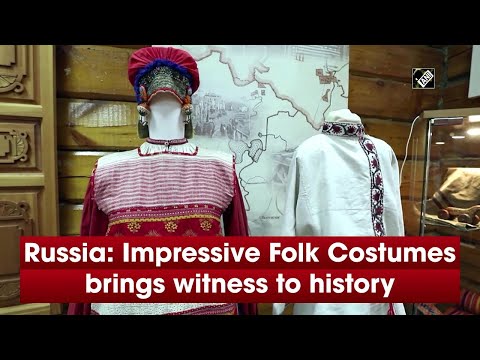
Consider a peasant girl wearing a vibrant sarafan with an intricately embroidered blouse. The history of the garment is written into every stitch. It was not simply clothing but embodied the spirit of its wearer, telling stories of daily life and cultural pride. During Peter the Great’s reforms, the sarafan became symbolic of the peasantry as the upper classes shifted towards Central European fashion.
Despite this shift, the sarafan remained a cherished part of traditional costume, and its quality and colours improved as trade increased. That this simple, elegant dress held its ground through the waves of change speaks to its resilience and to the strength of cultural identity.
Materials and Fabrics
The materials used for the sarafan matter as much as its cut. Linen and cotton are breathable and comfortable, which suits Russia’s diverse climates. They are practical choices, and they also define the Russian traditional folk costume by bridging functionality and cultural heritage.
The choice of fabric in a sarafan dress tells a story. Linen dresses, for instance, are staples in everyday wear, appreciated for their simplicity and ease. Cotton is equally favoured for its softness, making it an excellent choice for both casual and semi-formal occasions. Luxurious fabrics like silk and brocade transform the sarafan into a masterpiece, often showcased in the Museum of Russian traditional costumes, reflecting the opulence reserved for special ceremonies.
| Fabric Type | Characteristics |
|---|---|
| Linen | Breathable, comfortable, suited for various climates |
| Cotton | Soft, versatile, ideal for daily wear |
| Silk/Brocade | Luxurious, reserved for special events, intricate designs |
Each fabric, whether humble linen or ornate brocade, serves a practical purpose and adds to the aesthetic and cultural significance of the sarafan dress. The range of materials makes the traditional sarafan a lasting piece of Russian heritage.
Embroidery and Ornamentation
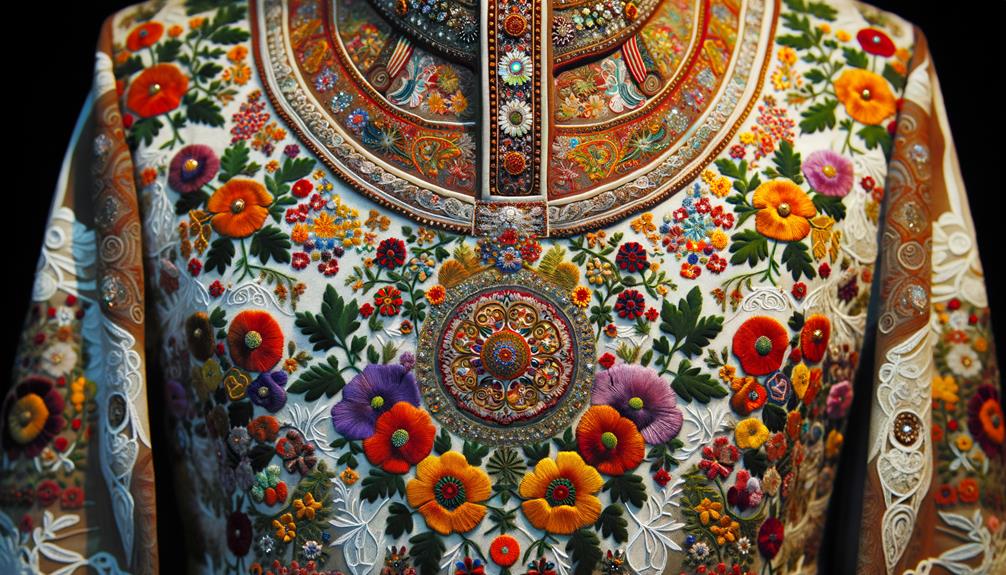
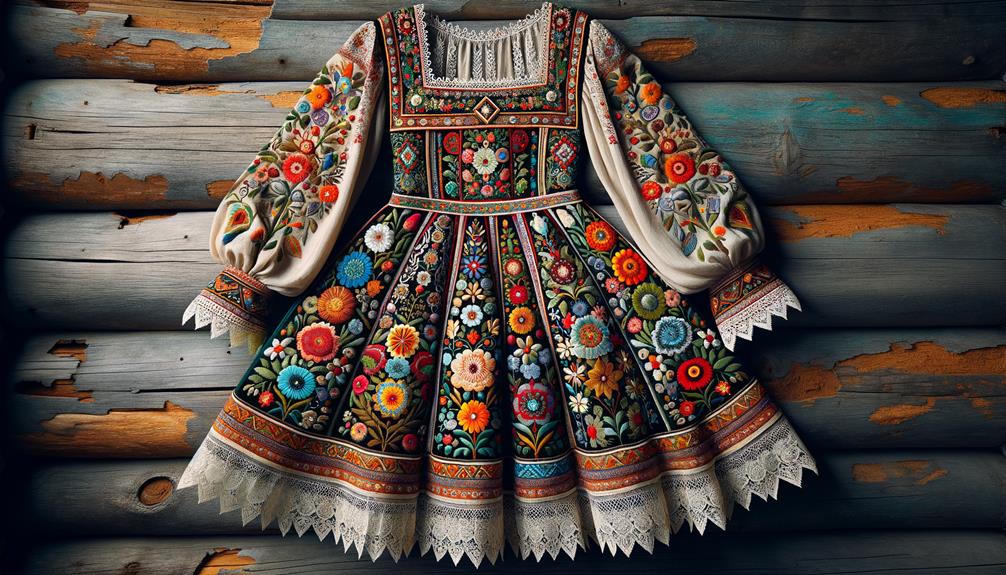
The embroidery is what gives each sarafan its character. Traditional ornamentation, often featuring floral motifs and geometric designs, transforms these garments into wearable art. Each stitch reflects the cultural heritage of the Russian community that produced it.
The craftsmanship involved in creating these ornate details is remarkable. From delicate cross-stitch to smooth satin stitch and looping chain stitch, every technique shows the artisan’s skill and creativity. The embroidery varies by region, reflecting the distinct cultural influences and traditions of different areas across Russia. This regional diversity gives each piece its own character, so no two sarafans are exactly alike.
Ornamentation goes beyond embroidery. Decorative stitching, beadwork, sequins, and appliques often enhance the overall design, adding layers of texture and depth. These elements bring elegance and richness, turning the sarafan from a simple dress into a statement of artistic expression. Every thread and bead celebrates tradition and honours the enduring beauty of Russian craftsmanship.
Cultural Significance
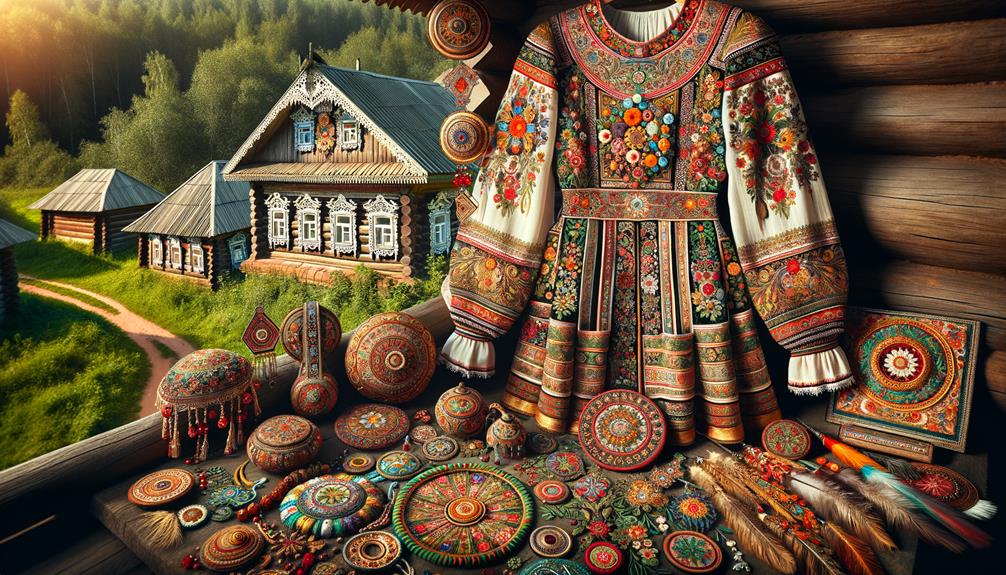
The sarafan has become an integral part of Russian history and identity. This quintessential traditional Russian dress first appeared in historical records as early as 1376. Over the centuries it evolved, reflecting the nation’s changing socio-economic landscape. The influx of trade brought new fabrics and dyes, transforming the sarafan into a vibrant costume that spoke volumes about the wearer’s status and region.
Peter the Great’s sweeping reforms in the 18th century marked a turning point. While the upper classes adopted Central European fashion, the sarafan became a symbol of rural life, worn primarily by peasants. Despite this, it held a special place in Russian folk culture, becoming a staple in traditional celebrations and folk performances. The dress is more than attire. It is a living record of Russia’s cultural heritage.
Today, during special holidays and cultural events, the sarafan stands as a proud emblem of heritage. Its enduring presence highlights an intrinsic connection to Russian roots, a vivid thread in the fabric of the nation’s collective memory.
Modern Adaptations
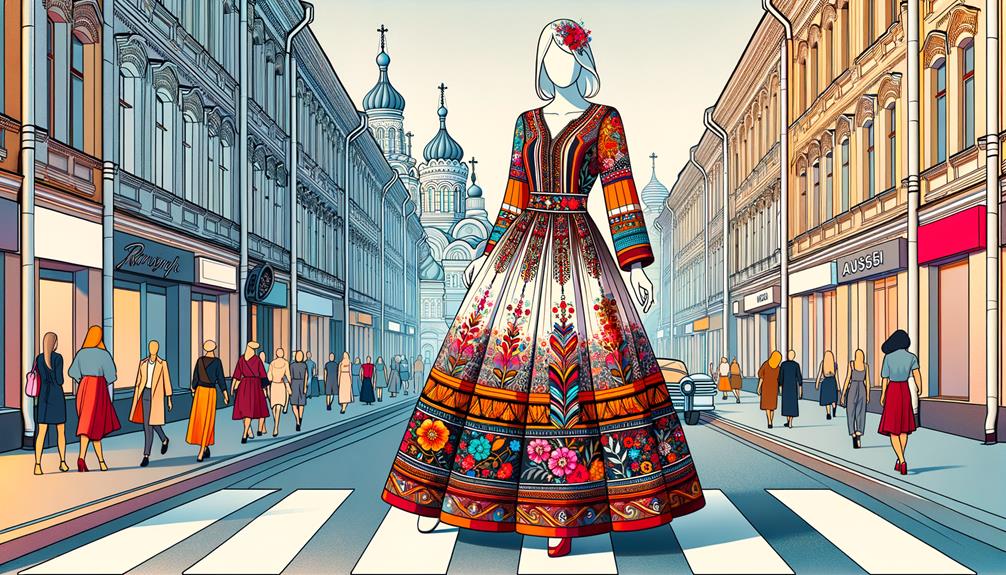
In recent years the sarafan has seen a notable revival, with designers blending traditional elements and modern fashion sensibilities. This resurgence is particularly visible in Russia, Belarus, and Ukraine. The sarafan dress, once a staple of Russian folk dress, is now being reimagined for contemporary wardrobes.
Modern adaptations of the sarafan dress involve several key changes. Designers are using lightweight, breathable materials suited to summer wear. While maintaining the essence of the traditional dress, modern sarafans feature sleeker, more flattering silhouettes. The intricate, hand-stitched patterns that define Russian costume are retained, adding an authentic touch. Some designs take inspiration from Matryoshka dolls, often depicted wearing sarafans, with layered designs appearing in modern collections.
These modern adaptations give new life to the sarafan and make it a versatile piece in Russian fashion. Whether worn casually or as a statement piece, the sarafan connects wearers to a rich cultural heritage while embracing contemporary style. It shows how tradition and innovation can coexist to produce something distinctive.
Frequently Asked Questions
What Is a Sarafan Dress?
A sarafan dress is a classic sleeveless garment, often crafted from linen or silk, and adorned with intricate embroidery. Paired with a blouse, it embodies Russian heritage. This timeless beauty has stood the test of time.
What Is the Name of Russian Folk Clothing?
The best known names in Russian folk clothing are the sarafan and the poneva, crafted from linen, cotton, and silk. These garments show the intricate beauty and regional diversity of Russian heritage, and they remain celebrated today.
Do Men Wear Sarafan?
No. Men did not traditionally wear sarafans. Their attire usually includes the kosovorotka shirt and traditional trousers, in line with cultural custom.
What Is a Poneva Dress?
A poneva dress is a layered form of Russian folk dress: a loose shirt, plaid skirt, and lace-adorned apron. Each stitch and pattern reveals a distinct regional history, and together the layers carry real cultural significance.