Yves Saint Laurent did more than design clothes; he changed the face of fashion. When he joined Dior in 1955, he transformed haute couture with his bold Trapeze line. His iconic Le Smoking tuxedo and Mondrian Collection brought art and fashion together in bold statements. He challenged traditional gender norms with androgynous styles, giving women freedom from convention. His Rive Gauche boutique made high fashion accessible, and his commitment to diversity brought new representation to the runway. His vision continues to shape designers today.
Early Career
When Yves Saint Laurent joined Christian Dior in 1955, his exceptional talent was immediately apparent. As a young French designer, he reshaped haute couture with an innovative vision. His 1958 debut Trapeze line marked a turning point in fashion, introducing lighter, fluid silhouettes that liberated women from restrictive styles. The collection went beyond fabric and design; it challenged societal norms and redefined femininity.

In 1966, Saint Laurent introduced the Le Smoking tuxedo suit, a declaration of rebellion and androgyny. This was not simply a new outfit; it gave women the same sartorial choices as men, marking a break from tradition and an embrace of modernity. Catherine Deneuve, among other influential women, embraced his designs, amplifying his impact on the fashion world.
Saint Laurent’s early career showed a clear grasp of how fashion responds to social change. His work at Dior laid the groundwork for a new era, one that celebrated innovation and pushed boundaries.
Iconic Designs
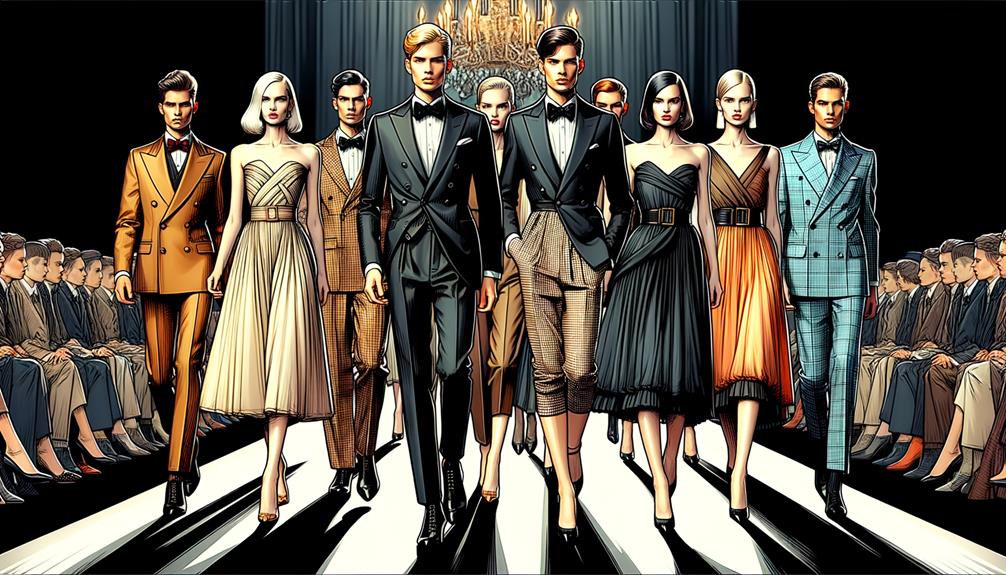
Three creations stand out among Yves Saint Laurent’s most iconic designs: the groundbreaking Le Smoking tuxedo, the vibrant Mondrian collection dresses, and the adventurous safari jacket. These pieces defined fashion trends, challenged societal norms, and introduced new ways of seeing and dressing. His gift lay in merging artistry with bold statements, creating a lasting impact on fashion.
Le Smoking Tuxedo
Yves Saint Laurent’s introduction of the Le Smoking tuxedo in 1966 redefined women’s fashion and challenged societal norms. The sleek, fitted suit did more than present a new outfit: it reimagined the boundaries of women’s fashion. This departure from traditional feminine attire symbolized rebellion and androgyny, making a powerful statement against the entrenched gender norms of the time.
Le Smoking was about empowerment. Saint Laurent believed women deserved practical yet elegant wardrobe options, and the tuxedo served as a timeless, versatile ensemble. It offered an alternative to dresses and skirts, giving women a powerful sartorial choice.
Catherine Deneuve, among other early adopters, helped establish the tuxedo as a fashion staple. Photographs of Deneuve in Le Smoking convey the sense of empowerment the suit radiates. It is a declaration of autonomy and strength.
In essence, Le Smoking revolutionized the modern woman’s wardrobe, embodying Saint Laurent’s vision of liberation through fashion.
Mondrian Collection Dresses
Yves Saint Laurent’s Mondrian Collection dresses of 1965 transformed fashion by bringing art and haute couture together through bold primary colors and striking geometric shapes. These dresses were statements in their own right, joining the worlds of abstract art and fashion.
The Mondrian Collection shows Saint Laurent pioneering a new approach by incorporating Piet Mondrian’s abstract art into his designs. His use of geometric shapes and primary colors created a visual dialogue between the canvas and the runway. The significance of these dresses lies in their bold simplicity and the inventive way art was integrated into fashion.
Several key points stand out about the impact of these designs:
- Art and Fashion Unite: The Mondrian Collection broke barriers, blending two distinct forms into a unified expression.
- Haute Couture Innovation: Saint Laurent’s designs showed an avant-garde approach, setting new standards in high fashion.
- Timeless Inspiration: These dresses continue to influence contemporary fashion, confirming their lasting relevance.
- Visual Impact: The use of bold, primary colors and geometric shapes created an unmistakable design language.
The Mondrian Collection remains a demonstration of his visionary approach.
Safari Jacket Trend
Yves Saint Laurent’s safari jacket is a notable design that combines practicality with high fashion. Introduced in 1968, this iconic design reflected his interest in travel and adventure. The jacket’s multiple pockets and belted waist served a purpose while showing that utility and elegance can coexist.
The impact of this garment was substantial. Saint Laurent was not simply designing a jacket; he was redefining casual sophistication. The safari jacket moved away from traditional fashion norms, offering a versatile piece that both men and women could wear. Its appeal reached well past the runway, and celebrities and fashion enthusiasts adopted it, cementing its status as a timeless wardrobe staple.
The safari jacket embodies the spirit of adventure and exploration. That something so utilitarian became so iconic says a great deal about Saint Laurent. This design did more than influence fashion; it changed how practicality and elegance are perceived, showing that the two can sit together. It remains an enduring symbol of his approach to fashion.
Art and Fashion
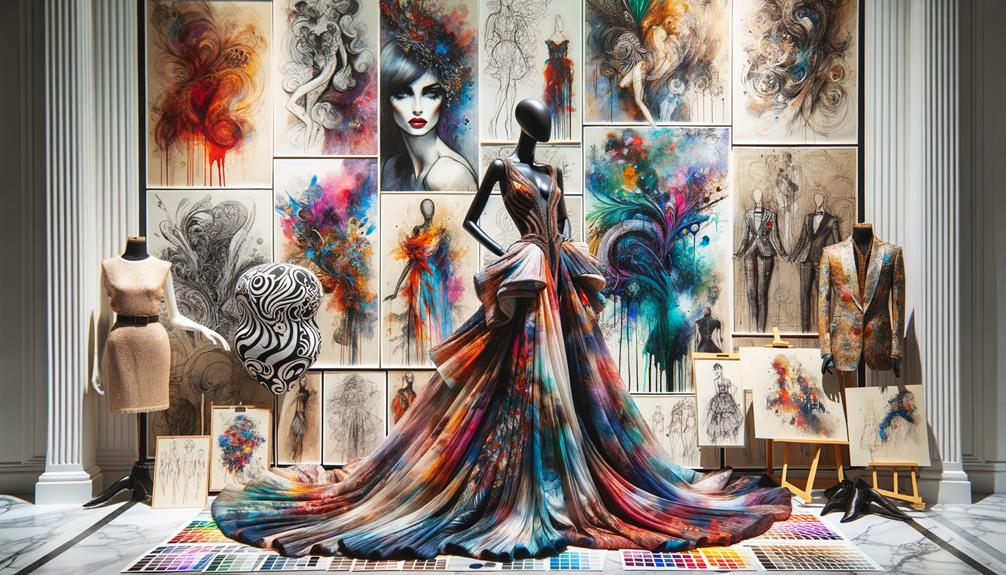
Yves Saint Laurent’s integration of art into fashion reshaped the runway and redefined wearable art. His 1965 Mondrian collection, with its bold geometric patterns inspired by the Dutch painter, showed an early fusion of art and fashion. The collection made a clear statement about where the two fields meet.
Saint Laurent’s art integration extended further. His runway shows frequently featured art-inspired designs, drawing on the work of Van Gogh and Warhol. In doing so he blurred the lines between gallery and catwalk, creating a space where fashion could be read as high art. His influence reached well past his own collections, setting a trend that encouraged later designers to explore similar artistic intersections.
Four key aspects of his art and fashion legacy stand out:
Mondrian Collection: A groundbreaking blend of fashion and painting.
Runway Shows: Featuring iconic art-inspired designs.
Gallery Exhibitions: Showing fashion as art.
Lasting Influence: Inspiring later designers working where art and fashion meet.
Saint Laurent’s work shows that fashion can be a canvas, a space where art lives.
Gender Norms
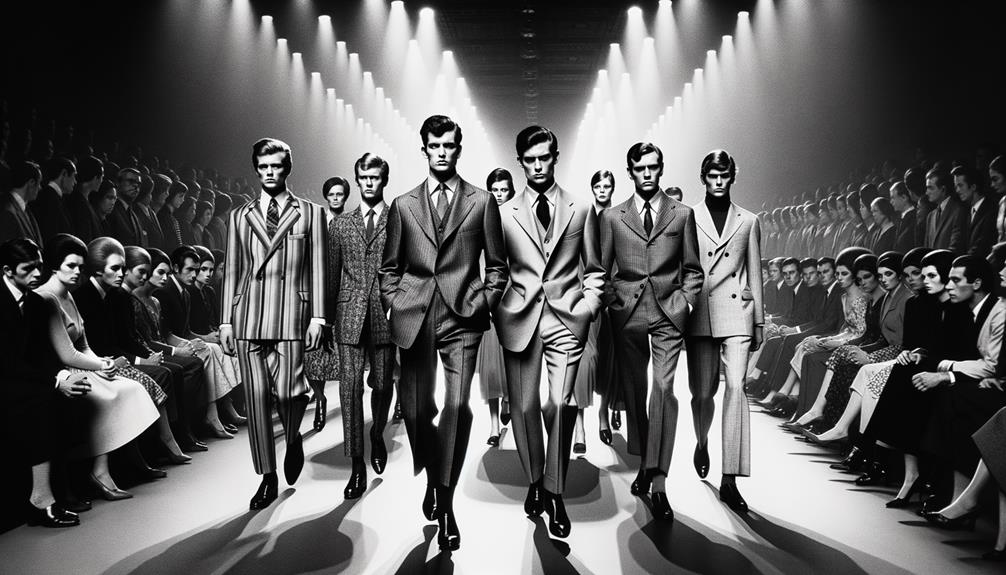
Yves Saint Laurent’s impact on gender norms is clearest in his Le Smoking tuxedo suit for women. By blending masculine and feminine elements, he created an influence that was both rebellious and glamorous. The move empowered women, offering a unisex style that challenged societal expectations and redefined their wardrobe choices.
Breaking Stereotypical Boundaries
Challenging traditional gender norms in fashion, Yves Saint Laurent’s introduction of the Le Smoking tuxedo in 1966 changed what women could wear. This was a forceful statement against societal expectations. By pairing androgyny and empowerment, Saint Laurent offered an alternative to gowns and skirts and invited women to embrace a new kind of elegance.
Catherine Deneuve, one of the first to adopt the Le Smoking tuxedo suit, embodied this shift. Her glamorous yet assertive presence in YSL’s designs showed how women could break free from stereotypes and claim their space in traditionally male-dominated attire. The Le Smoking tuxedo did more than challenge gender norms: it broke them.
The modern woman’s wardrobe owes much to Saint Laurent’s vision. He made symbols of freedom and self-expression, not simply garments.
Four ways Saint Laurent’s Le Smoking tuxedo made a difference:
Rebellion: It defied conventional gender norms.
Empowerment: It gave women a sense of authority.
Androgyny: It blurred the lines between male and female fashion.
Modernization: It transformed the contemporary women’s wardrobe.
Saint Laurent’s legacy continues to inspire, showing that breaking stereotypes can rewrite history.
Androgynous Fashion Influence
The impact of androgynous fashion shows in how Yves Saint Laurent’s designs blurred traditional gender lines and changed how clothing relates to identity. When Saint Laurent introduced the Le Smoking tuxedo suit for women in 1966, it was a challenge to rigid gender norms. His androgynous designs offered women a new sense of empowerment, letting them adopt traditionally masculine attire without giving up femininity.
Saint Laurent focused on providing women with functional wardrobe options, blurring the boundary between masculine and feminine styles. Early adopters such as Catherine Deneuve embodied this new aesthetic, capturing a spirit of liberation and glamour. His work marked a shift in societal expectations, making it acceptable, and even celebrated, for women to wear what had been considered exclusively male.
The influence of YSL’s androgynous designs extends well beyond the 1960s, paving the way for modern readings of gender fluidity in fashion. His vision still challenges and inspires the industry, pushing what clothing can say about identity and self-expression. Saint Laurent’s heritage shows the power of fashion in shaping cultural norms and individual empowerment.
Empowering Unisex Styles
Saint Laurent’s designs blurred gender lines and gave individuals the freedom to express themselves authentically through unisex styles. When he introduced the Le Smoking tuxedo suit for women in 1966, it was a statement against rigid gender norms, offering women the power to embrace androgyny and rebellion.
The impact of Le Smoking can be broken down into four key elements:
- Empowerment: Women such as Catherine Deneuve adopted the Le Smoking suit, marking a shift towards gender equality in fashion.
- Practicality: Saint Laurent aimed to provide wardrobes that were both stylish and functional, moving away from traditional, restrictive attire.
- Symbolism: The tuxedo suit became a symbol of liberation, giving women the confidence to wear traditionally male clothing.
- Industry Impact: YSL’s unisex designs helped pave the way for a more inclusive and diverse fashion industry, setting a precedent for later designers.
Saint Laurent’s work went beyond aesthetics. His unisex styles challenged the status quo and inspired countless people to redefine their identities, encouraging a more inclusive and inventive fashion world.
Championing Diversity
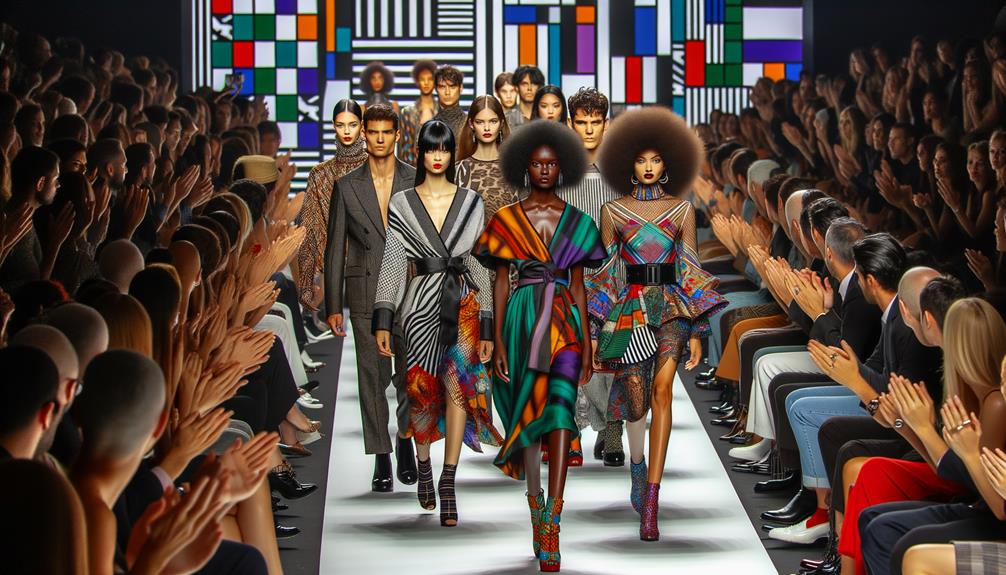
Breaking racial barriers in the fashion industry, Yves Saint Laurent was a pioneer in featuring women of color on the runway, showing his commitment to diversity. His work with muses like Iman and Rebecca Ayoko was groundbreaking. It was about celebrating their beauty and talent in an industry that often marginalized them.
Saint Laurent’s influence extended beyond the catwalk. He advocated for diversity in fashion photography, leading to more women of color appearing on magazine covers. This marked a significant shift in an era when representation was seriously lacking. His vision for inclusivity was a sustained effort to reshape the fashion landscape, not a passing trend.
Ready-to-Wear Revolution
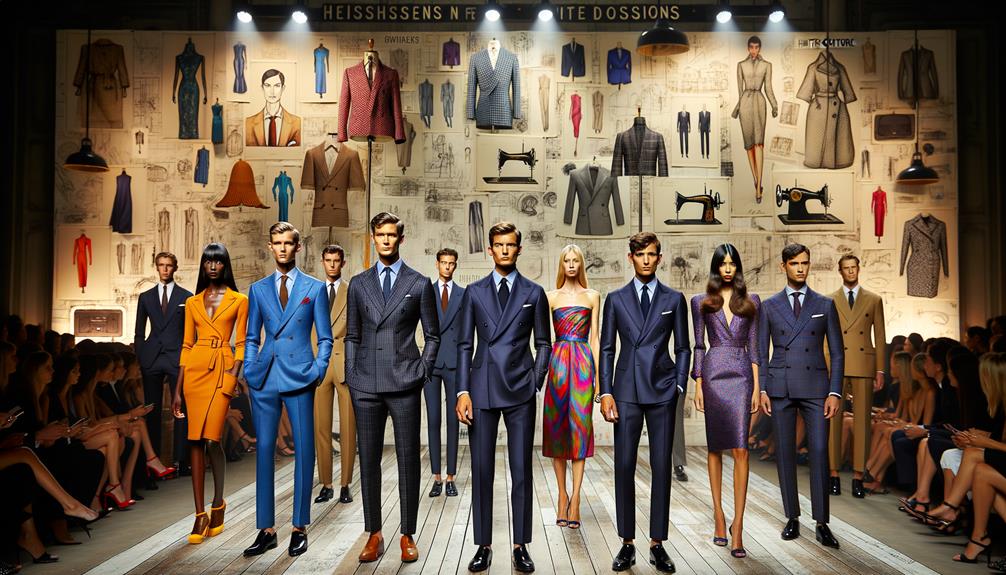
The ready-to-wear revolution sparked by Yves Saint Laurent’s Rive Gauche boutique in 1966 changed how modern women approached their wardrobes. Saint Laurent bridged the gap between haute couture and everyday wear, making high fashion more accessible. His approach emphasized wardrobe essentials that could be mixed and matched with ease.
The Rive Gauche boutique was a laboratory for experimentation, redefining the relationship between designer and consumer. Saint Laurent made stylish clothing affordable and practical, shifting the fashion industry in several ways:
- Freedom through Versatility: Saint Laurent’s mix-and-match separates gave modern women the freedom to create multiple looks from a few key pieces.
- Accessibility: By integrating haute couture elements into ready-to-wear designs, he made fashion more inclusive.
- Pioneering Spirit: His work at Rive Gauche showed his ability to think ahead of his time.
- Cultural Shift: By reshaping how women viewed their wardrobes, he influenced the broader cultural landscape.
Rive Gauche remains a demonstration of Saint Laurent’s legacy, which permanently altered the fashion industry.
Frequently Asked Questions
Why Was Yves Saint Laurent so Influential?
Yves Saint Laurent was influential because he broke conventions, bringing art and fashion together to create a new language. His designs empowered women, celebrated individuality, and made high fashion accessible. His vision was genuinely groundbreaking.
What Is Yves Saint Laurent Best Known For?
Yves Saint Laurent is best known for the Le Smoking tuxedo suit for women, which challenged traditional gender norms and redefined fashion with its androgynous, rebellious flair. By offering women powerful, glamorous, and functional wardrobe choices, Saint Laurent gave them new ways to express themselves.
Why Was Yves Dropped From Saint Laurent?
When the fashion brand dropped ‘Yves’ from Saint Laurent, it was an attempt to modernize and appeal to a younger audience. The goal was to emphasize the YSL monogram and create a more streamlined brand image.
Who Is the Creative Designer of Yves Saint Laurent?
The creative director of the Yves Saint Laurent house is Anthony Vaccarello. His vision and modern approach continue to push the boundaries of fashion while remaining true to the brand’s revolutionary spirit.