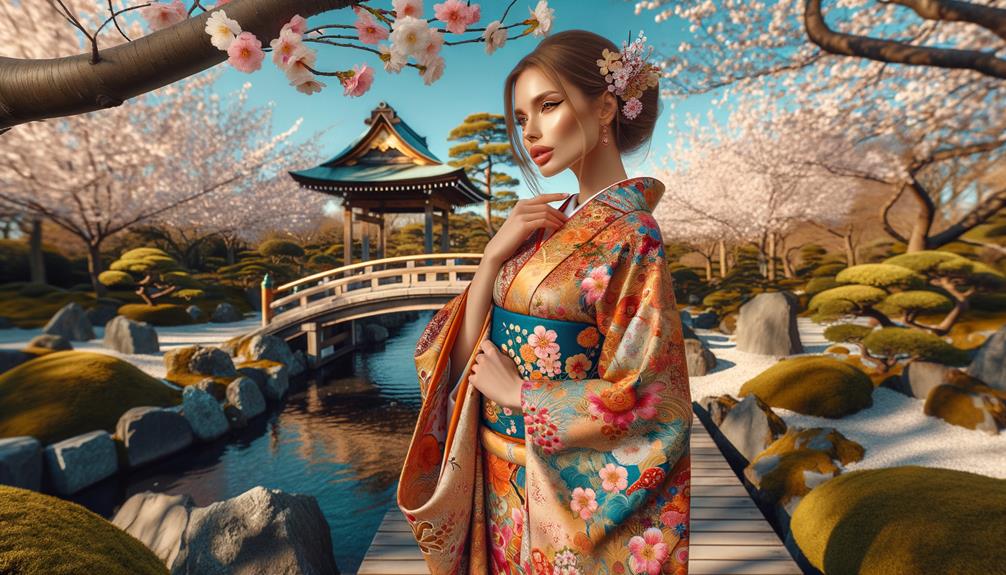
The Aloha shirt is a vibrant reflection of Hawaiian culture, blending tradition with modern flair. Born in the 1930s from Japanese kimono prints, it captures the island’s lush beauty and carefree spirit. Each shirt is a canvas, telling stories through patterns of hibiscus, palm fronds, and ocean waves. The soft fabric flows with the breeze, embodying a relaxed and inclusive lifestyle. Today’s designs honor heritage while embracing innovation, merging organic cotton with bold, eco-friendly patterns. This iconic garment carries more than style: it carries the essence of Hawaii.
History and Origins
In the early 1930s the vibrant Aloha shirt, inspired by Japanese kimono prints, emerged in the heart of Hawaii. The earliest makers were skilled craftsmen whose deft work over the fabric blended Eastern art with the laid-back spirit of the Pacific. This garment, a cultural fusion, swiftly captured the imagination of locals and tourists alike.

Over the decades the shirt evolved, its colours and designs reflecting the lush flora and rich traditions of Hawaii. Such a simple piece of clothing became a canvas for personal expression and identity, so much so that wearing one seemed to carry the whisper of the islands’ trade winds.
Notably, the shirt’s impact extended beyond individual style. Corporations, keen to tap into the relaxed yet professional vibe, began to integrate Aloha shirts into their dress codes, sparking a shift in workplace attire. This was never only about fashion: it signalled a new way of thinking, a blend of tradition and modernity. The Aloha shirt moved from a local novelty to a global icon, embodying a unique blend of heritage and innovation.
Cultural Significance
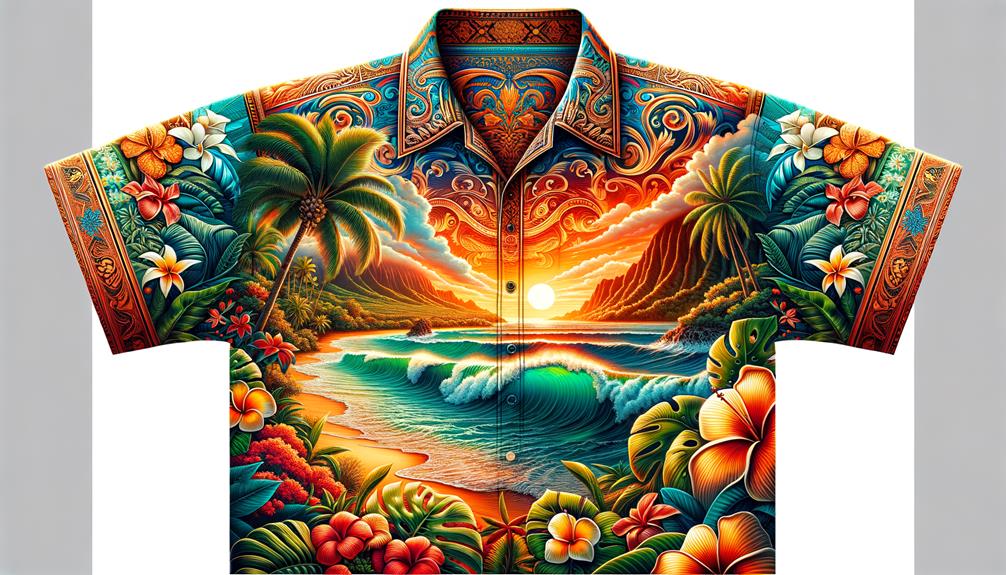
Few garments hold as much cultural significance as the Aloha shirt, which embodies the warm and inclusive spirit of Hawaii. These shirts are more than clothing: they are a canvas of the islands’ rich traditions and vibrant heritage, wrapping the wearer in a tapestry of history and hospitality.
The Aloha shirt is a versatile emblem, bridging different worlds and weaving together diverse narratives. In Hawaii it is a staple for special occasions and celebrations, reflecting its deep-rooted significance. Beyond the islands it has become a global fashion staple, symbolizing a relaxed and laid-back lifestyle. Its influence extends to business circles, where it challenges conventional norms with its relaxed elegance.
| Aspect | Significance |
|---|---|
| Hawaiian Heritage | Embodies rich traditions and spirit |
| Global Influence | Integrated into mainstream fashion |
| Symbolism | Signifies leisure and relaxed lifestyle |
The shirt’s cultural resonance is profound, reflecting the harmonious integration of natural beauty and human creativity. A person wearing an Aloha shirt makes a quiet celebration of life’s simple yet profound pleasures.
Design and Patterns
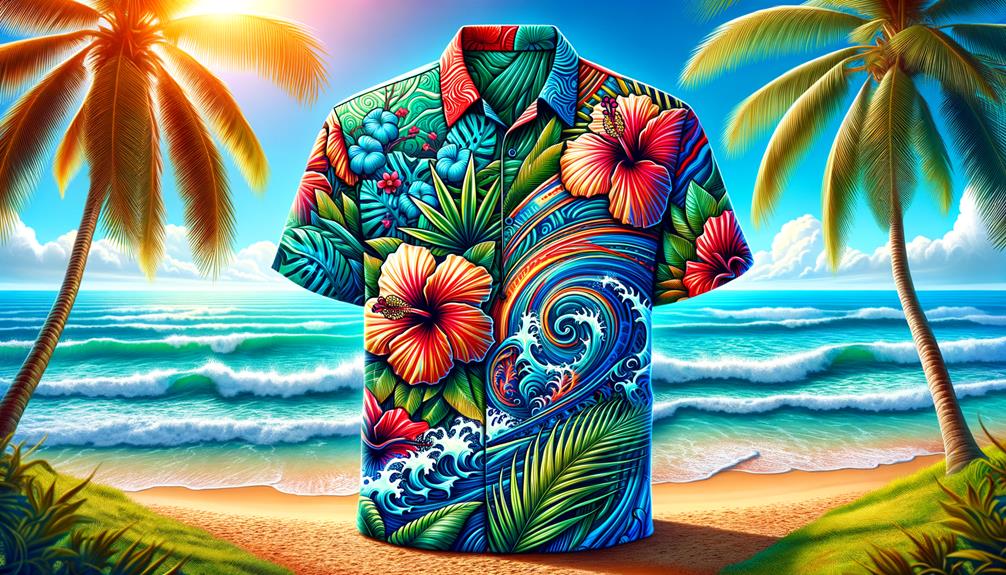
The designs and patterns of Aloha shirts each carry their own account of Hawaiian culture and natural beauty. Vibrant floral patterns, bursting with hibiscus and plumeria, bring the fabric to life, while tiki and hula girl motifs evoke the rich traditions of the islands. Oceanic themes capture the essence of the surrounding waters, and geometric or abstract prints add a modern twist, appealing to a global audience hungry for novelty.
Each design reflects the vibrant heritage of Hawaii, showcasing a blend of influences that span generations. Custom designs allow for personal expression, turning Aloha shirts into wearable canvases for individuality. These shirts have evolved well past their tropical roots to become symbols of leisure and relaxation, celebrated in popular culture and at events such as Aloha Fridays.
Technology now plays a significant role in shaping these designs. Digital tools allow bespoke patterns to be produced that travel well beyond the islands. That combination of tradition and modern production keeps every Aloha shirt a lasting icon of both heritage and innovation.
Fabric and Materials
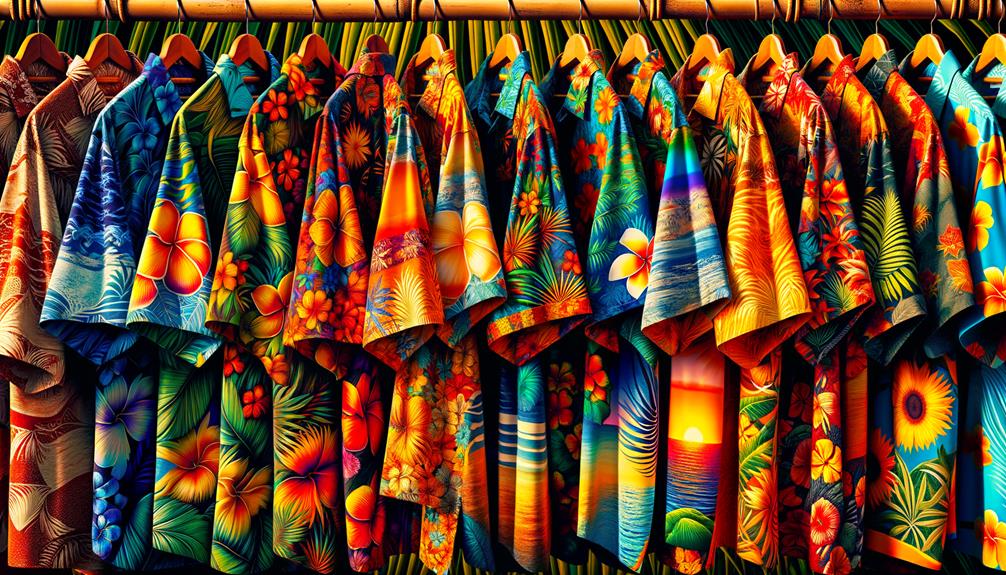
The fabric of an aloha shirt is chosen for more than texture. The choice between cotton, silk, and rayon also reflects the kind of comfort and care that goes into making this iconic garment. Whether natural or man-made, these materials shape the very essence of the aloha shirt.
Natural Fiber Choices
In the warm Hawaiian sun, the choice of fabric for an aloha shirt becomes a balance between comfort and style, in which natural fibers like cotton and silk, together with man-made rayon, come alive with breathability and elegance. Each of these materials interacts differently with the island breeze and has its own distinct character.
Cotton, the most popular natural fiber for an aloha shirt, is reliable and easy-going. It is the perfect companion for a spontaneous beach outing or an unplanned adventure. Silk, on the other hand, exudes luxury and sophistication. Its smooth texture and exquisite drape turn any moment into a special occasion. Rayon offers a compromise between the two, blending breathability with a graceful flow.
Cotton: Perfect for everyday wear, cotton is durable and easy to care for.
Silk: Ideal for special gatherings, silk boasts a luxurious feel and drape.
Rayon: This breathable fabric merges comfort with style, offering a soft, elegant flow.
Across these natural fibers the aloha shirt becomes more than clothing: it is a statement of living in harmony with nature’s gifts.
Synthetic Fabric Options
Synthetic fabrics such as polyester, nylon, and spandex bring durability, vibrant colors, and comfort. In the world of Aloha shirts these materials influence fashion in subtle yet real ways.
Polyester stands out for its wrinkle resistance and ability to keep colors vibrant wash after wash. Rayon, with its soft, silky texture, drapes elegantly against the skin, combining strength and grace. Spandex offers flexibility and comfort, moving in harmony with daily life. Nylon is lightweight and strong, providing quick-drying relief in warm climates.
| Fabric | Key Feature |
|---|---|
| Polyester | Durability, Colorfast |
| Rayon | Softness, Drapability |
| Spandex | Flexibility, Comfort |
| Nylon | Lightweight, Quick-drying |
Each synthetic fabric has its own distinct characteristics, weaving together the story of the modern Aloha shirt. New finishes and weaves transform tradition into contemporary design, and the durability they add gives the shirt a practical, modern polish.
Blending Materials Benefits
Where synthetic and natural fibers are combined, the fusion brings out the best qualities of each, creating Aloha shirts that are both functional and attractive. This blending is more than a passing trend: it is a practical balance of tradition and innovation, resulting in garments that evoke the gentle warmth of the islands.
The integration of cotton, silk, and rayon shows the balance of comfort, luxury, and vibrant aesthetics. Cotton’s breathability and versatility make it a staple, while silk adds sophistication. Rayon, with its smooth texture and radiant colors, completes the trio with a visually striking combination.
Comfort: The natural fibers ensure the shirts are light and breathable, making them well suited to tropical climates.
Durability: Synthetic fibers contribute to the shirt’s strength, making it suitable for both small projects and large-scale productions.
Aesthetic Appeal: The fusion allows for vibrant, long-lasting colors that capture the essence of Hawaiian culture.
From small projects to corporations, creating a good Aloha shirt starts with understanding how these materials work together. Each fiber plays its part, weaving past and present into garments that are both current and enduring.
Styling Tips
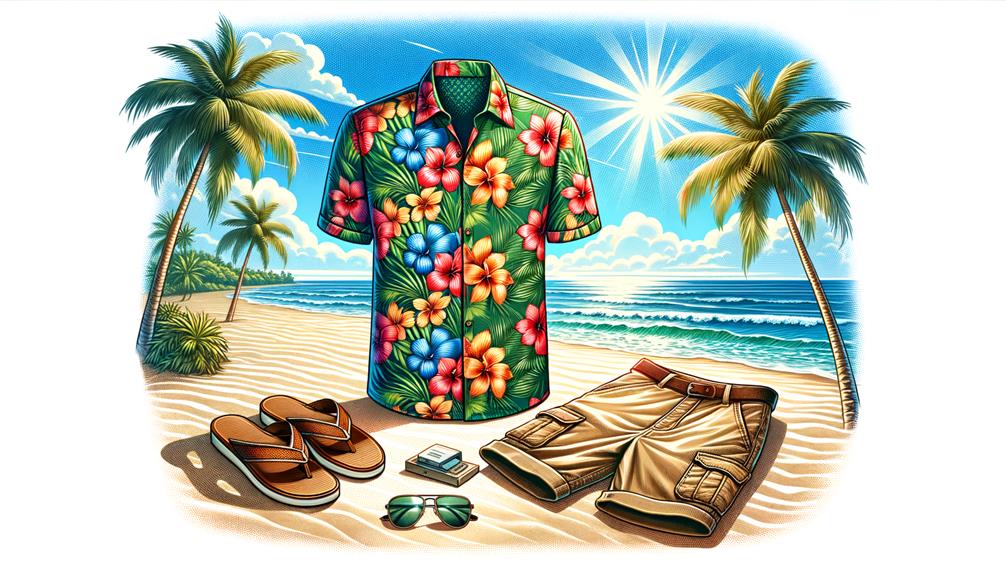
An Aloha shirt sets a carefree tone the moment it goes on. It starts with the vibrant patterns and comfortable fabric. Worn untucked, the shirt flows freely and pairs well with shorts or khakis for a relaxed outfit.
Adding a solid-colored t-shirt underneath gives the shirt depth, creating a look that is both casual and put-together. Some wearers tie the bottom corners in a knot for a distinctive twist. That small adjustment adds a playful edge and makes the outfit stand out.
Accessories make all the difference. A straw hat or classic sunglasses sharpen the laid-back look. These touches do more than complement the shirt; they complete it. Each element, from the fabrics to the accessories, strikes a balance between tradition and modernity and allows for effortless style.
Modern Trends

The Aloha shirt now combines bold patterns with sustainable fabrics. Street art and tropical fruit motifs appear on eco-friendly materials, pairing tradition with modern production in a deliberate balance of the old and the new.
Sustainable Fabric Choices
Sustainable fabric choices have reshaped the iconic Aloha shirt, pairing style with environmental responsibility. New materials have redefined what the garment can be. The use of organic cotton, bamboo, and recycled polyester is as much a business decision as a commitment to a greener future.
Organic cotton, grown without harmful chemicals, safeguards both the environment and the workers who cultivate it.
Bamboo fabric is a renewable resource that grows rapidly, requiring minimal water and pesticides, making it an efficient and sustainable choice.
Recycled polyester repurposes discarded materials, turning waste into wearable art and showing the ingenuity of modern design.
These sustainable choices concern more than reducing environmental impact. They build a record of responsibility into the fabric itself. The Aloha shirt, once a symbol of leisure, now also stands for eco-friendly fashion, blending tradition with forward-thinking design.
Bold Pattern Revival
The resurgence of Aloha shirts is visible in the bold patterns and vibrant colors that give this classic Hawaiian icon a fresh spin. These modern designs carry artistic expression as well as visual appeal. Contemporary designers incorporate unique motifs, turning traditional floral and palm patterns into geometric shapes and abstract prints. Each shirt becomes a canvas that pairs cultural heritage with modern fashion sensibilities.
The fusion of traditional Hawaiian elements with innovative graphics creates a look that appeals to today’s fashion-conscious audience. These updated styles cater to a wide range of tastes, which keeps the Aloha shirt relevant in a market that craves novelty. The revival reaches back to the past while staying firmly in the present, with each shirt celebrating the essence of aloha.
This bold pattern revival adorns the body and speaks to something deeper, a reminder that fashion can reflect our roots while embracing the future. The modern Aloha shirt carries that balance forward.
Frequently Asked Questions
Should I Wear an Aloha Shirt in Hawaii?
Yes. It is a natural way to engage with the island’s vibrant spirit, combining natural hues with cultural heritage, and it suits the laid-back atmosphere while still allowing for a touch of modern flair.
What Is the Difference Between Hawaiian and Aloha Shirts?
Hawaiian shirts are generally the name for the printed resort shirts sold widely as vacation wear, while the term Aloha shirt carries Hawaii’s own sense of culture and hospitality, the spirit of aloha being woven into the fabric itself.
What Are the Most Sought After Hawaiian Shirts?
Vintage Hawaiian shirts from the 1930s and 1940s are the most sought after, valued for their historical significance and one-of-a-kind designs. Limited edition collaborations, luxurious materials, and bespoke touches make these shirts special to collectors.
What Do Hawaiians Call Hawaiian Shirts?
Locals in Hawaii generally call those colorful shirts “Aloha shirts.” The name is more than a label: it reflects the island’s spirit, where love, peace, and compassion are woven into every vibrant floral thread.