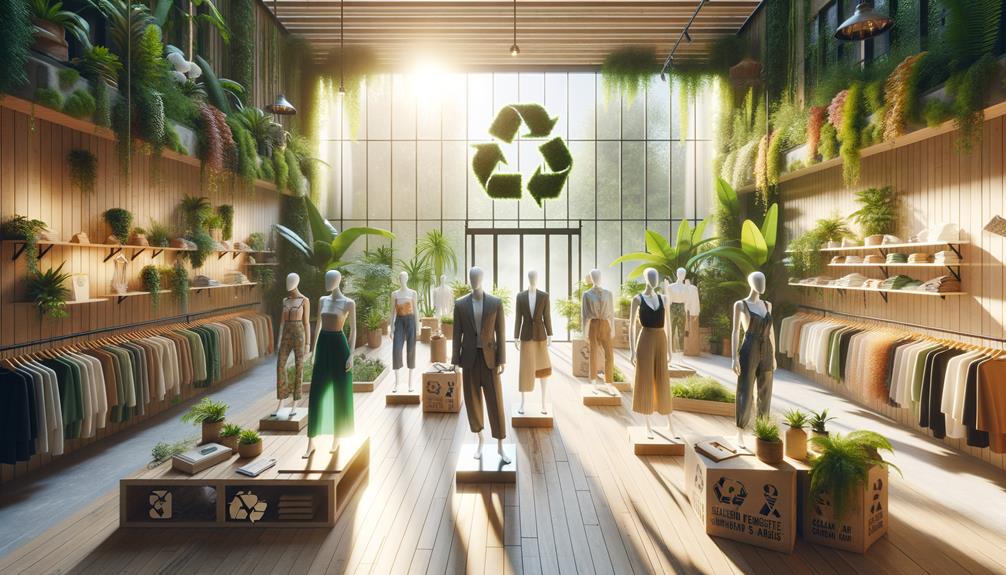
The fashion industry’s harmful impact is now well documented, and sustainable fashion has become crucial in response. The movement began in the early 1990s with brands like Patagonia and ESPRIT. Today, the stakes are higher: estimates commonly place fashion at around 4% of global greenhouse emissions, while a majority of discarded clothing ends up in landfills. Change is happening through recycling, upcycling, and innovative business models like rental services. Brands now offer product guarantees and repair services to extend the life of garments. The future looks promising, with community engagement and cutting-edge materials.
History of Sustainable Fashion
Sustainable fashion has quietly been taking shape since the early 1990s. Brands like Patagonia and ESPRIT were among the first to address environmental concerns in the industry. These pioneers made the initial ripples that have since become a transformative wave.

These early companies took a hard look at the environmental impact of fashion production, from raw materials to water pollution. ESPRIT’s e-collection, launched in 1992, was a notable milestone. It was based on the Eco Audit guide and embodied sustainable practices that were unusual for the time. This move went beyond marketing; it was a genuine effort to rethink how clothes are made, and it planted seeds for later change.
Lifecycle assessments of fibers during this period provided deeper insights into the environmental impact of different materials. These assessments helped establish the foundation for today’s sustainable practices. Given fashion production has always been resource-intensive, these early efforts were pivotal in revealing how deeply interconnected clothing choices are with the planet’s health.
The early 1990s were the quiet beginnings of a louder, more sustainable future for the fashion industry.
Environmental and Social Concerns
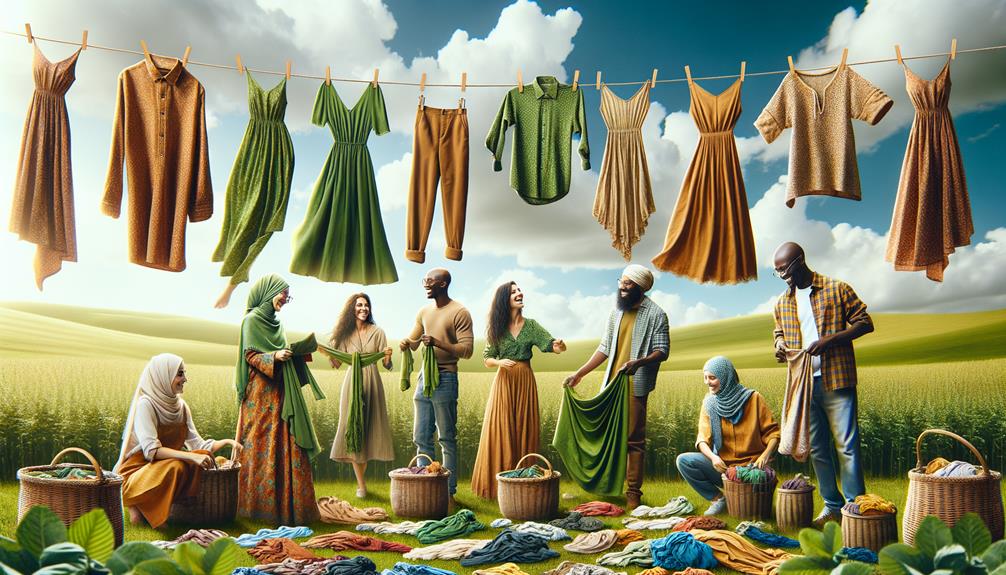
The fashion industry is closely linked to both environmental degradation and social exploitation, though these impacts are often overlooked. Estimates commonly place the industry’s share of global greenhouse gas emissions at around 4%, and some projections have apparel production accounting for a substantially larger share of carbon emissions by 2050. This is not just about numbers; it is about the air people breathe and the planet they inhabit.
More than 60% of clothes end up in landfills, contributing nearly 20% to global waste. Toxic dyes and heavy metals from manufacturing also contaminate water sources. Meanwhile, factory workers often face poor working conditions and are paid less than minimum wage.
The human cost is undeniable. Factory workers are subjected to grueling hours and unsafe working conditions, with a lack of regulation in this massive sector only exacerbating these issues. Sustainable fashion offers a glimmer of hope, but it requires a collective shift in how clothes are produced and consumed.
Clothing consumption is expected to triple by 2050. Without a change in course, both social injustice and environmental damage will escalate. Innovation in sustainable practices is not just desirable, it is imperative.
Sustainable Business Models
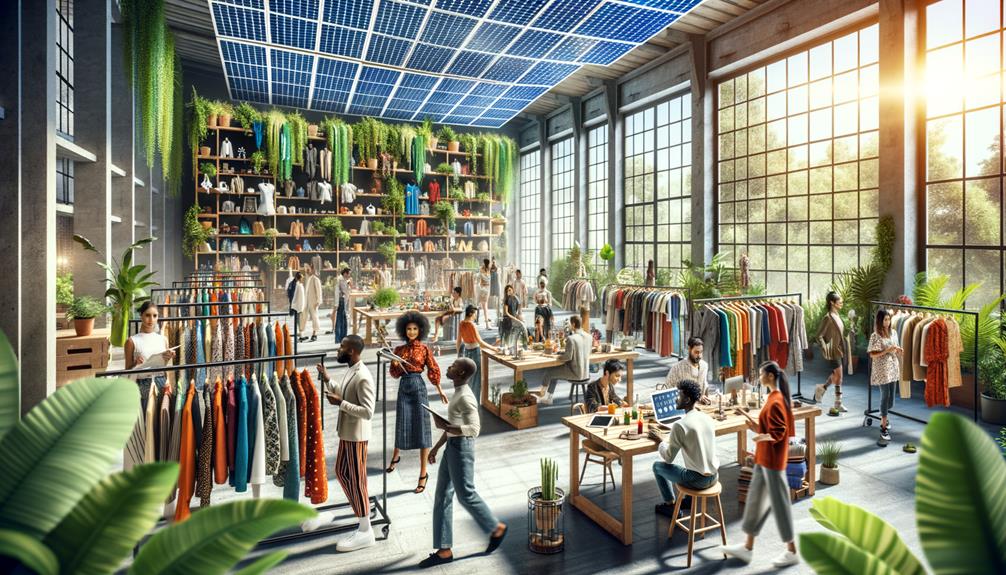
New ways of consuming fashion, such as rental and resale models, offer a promising shift. Rather than continually buying and discarding clothes, these models allow people to participate in a circular economy. Brands like Rent the Runway and thredUP make it easy to access outfits without the need for ownership, reducing waste and overconsumption.
Subscription services like Nuuly provide a rotating wardrobe, supporting sustainable consumption. Refreshing outfits regularly without the environmental toll of fast fashion is both innovative and necessary. Brands such as Patagonia and Eileen Fisher go further by offering lifetime product guarantees and repair services, promoting longer product use and reducing the need for new items.
| Model | Examples |
|---|---|
| Rental | Rent the Runway, Nuuly |
| Resale | thredUP, Poshmark |
| Lifetime Guarantee | Patagonia, Eileen Fisher |
Reuse and Recycling
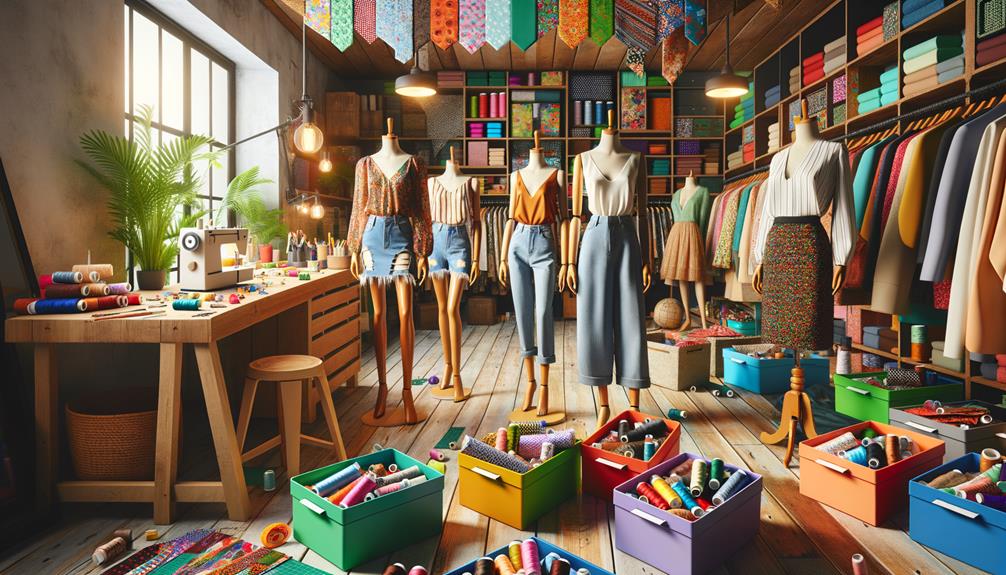
Reusing old clothing through upcycling carries real potential for cutting textile waste and giving garments a second life. Thrifting is a practical way to reduce waste, and discovering hidden gems at secondhand stores gives them new purpose. It does not solve the whole problem, but every garment kept out of a landfill adds up.
Upcycling Old Clothing
Upcycling old clothing is not a passing fad; it is a necessary shift towards sustainability. The environmental toll of clothing production, from the depletion of water resources to the strain on supply chains, makes a rethink of habits unavoidable. Upcycling offers a solution that is both innovative and practical.
It reduces the environmental impact of fast fashion. It transforms waste into unique, high-value items. And it empowers consumers to practice sustainability in their daily lives.
By creatively repurposing garments, upcycling extends the lifespan of clothes and diminishes the need for new production. Brands like E.L.V. Denim have mastered this, using 100% upcycled materials to make timeless designs. Each piece tells a story, reflecting a commitment to sustainability and creativity.
Upcycling is a mindful approach to fashion that acknowledges the planet’s limits. By choosing upcycled clothing, buyers make a style statement while advocating for a more sustainable future. This shift is not merely about fashion; it is about fostering a deeper connection to the world and its resources.
Textile Waste Reduction
While upcycling breathes new life into old garments, the broader challenge lies in reducing textile waste through effective reuse and recycling. The fashion industry churns out over 100 billion garments annually, yet a staggering 87% end up in landfills or incinerated. This stark reality puts clothing consumption habits into sharp focus.
Only 1% of discarded clothing is recycled, a sobering statistic that signals how far the industry must go. Fashion weeks celebrate new trends, but the aftermath is rarely considered. The use of recycled fabrics is not just a trend; it is a necessity. Washing synthetic clothing releases microplastics into the oceans, and estimates commonly place that share at around 35% of the total. More sustainable materials are needed.
Being socially responsible means rethinking how clothes are made and consumed. The global fashion industry contributes around 4% of greenhouse gas emissions. Without a change in course, clothing consumption is set to triple by 2050, with a matching environmental toll. Effective waste reduction strategies matter now, because today’s choices shape the fashion landscape of tomorrow.
Thrift Store Shopping
Among the many ways to reduce environmental impact, shopping at thrift stores stands out as a practical and effective choice. A visit to a secondhand shop is a reminder of the true cost of fast fashion. Each garment tells a story of resources saved, landfill space spared, and a shift in consumption patterns.
The environmental benefits of thrifting are clear. Extending the life of clothes reduces demand for new production that strains natural resources. Economically, secondhand shopping can save up to 80% on clothing costs, making sustainable fashion more affordable.
Many thrift stores also fund local initiatives, creating a positive cycle of giving back to the community. Buying secondhand is about more than saving money; it acknowledges the unseen labor of garment workers and the environmental toll of fast fashion. By choosing thrift stores, shoppers support a system that values reuse and recycling, which diverts over 2 million tons of textiles from U.S. landfills annually.
In a world driven by constant consumption, thrift store shopping offers a minimalist yet practical approach. Through this simple act, people contribute to a more sustainable future, one preloved item at a time.
Consumer Engagement
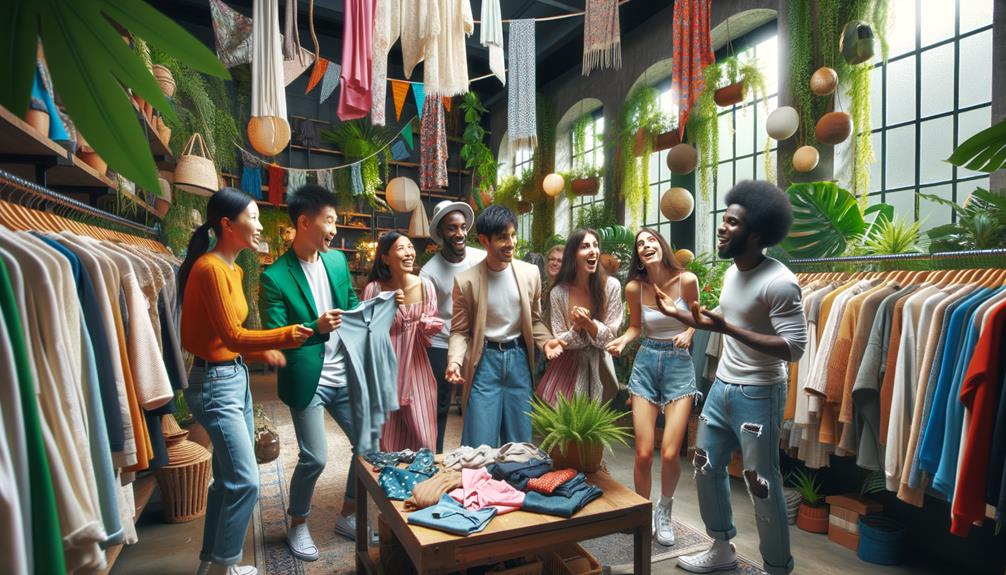
Sustainable fashion can often feel inaccessible, but making it more engaging for everyone is crucial. Social media campaigns with interactive elements and reward programs could spark interest in sustainable choices. Building a community around these initiatives could turn individual actions into a larger movement that inspires change.
Rather than lecturing, campaigns work better when they make sustainable fashion fun and rewarding. Highlighting real people’s stories and making it easy for the average consumer to participate would go a long way. The goal should be to present sustainable fashion as an empowering lifestyle, not just an obligation.
Making sustainable fashion more engaging comes down to understanding what motivates people and giving them the tools and support to make greener choices part of their daily lives. It is about creating a sense of shared purpose, not preaching from above.
Interactive Social Media Campaigns
Through interactive social media campaigns, brands like H&M and Patagonia have changed how sustainable fashion is presented. These initiatives go beyond simple marketing; they bridge the gap between fast fashion and the slow fashion movement, fostering a sense of social and environmental responsibility. For instance, H&M’s #YourTurnChallenge on TikTok encouraged users to showcase thrifted outfits, drawing attention to secondhand shopping and amassing over 3.1 billion views. It was a powerful reminder that sustainable choices can be both fashionable and impactful.
Patagonia’s ‘Don’t Buy This Jacket’ campaign on Black Friday exemplified anti-consumerism by urging customers to purchase only what they needed. Reformation’s ‘We Are What We Do‘ initiative provided carbon footprint transparency. These campaigns often coincide with significant dates like Earth Day, urging consumers to reflect on their habits.
Brands are using social media to create meaningful dialogues and encourage more mindful consumption patterns. This shift towards transparency and participation is shaping the future of sustainable fashion, showing that innovation and responsibility can coexist.
Reward Programs Incentives
Reward programs have become an interesting way for fashion brands to engage customers in sustainable practices. These initiatives are leading the charge towards more eco-friendly consumption models. Programs like Nuuly’s rental service and Patagonia’s ‘Worn Wear’ repairs promote clothing longevity and circularity.
Governments should examine how these programs affect water usage per garment and waste reduction. Nuuly’s subscription lets people rent stylish pieces monthly, minimizing the need to buy new clothes. Patagonia’s program repairs damaged items, extending their lifespan. These models show that every piece of clothing can have a prolonged lifecycle.
Here are some innovative reward programs:
| Brand | Incentive |
|---|---|
| Nuuly | Monthly rentals to promote circularity |
| Patagonia | Credit for returned, repairable items |
| ASOS | Points for eco-friendly actions |
These initiatives reflect a move towards sustainable fashion. Governments should support and amplify these efforts to make eco-friendly fashion the norm, not the exception.
Community Building Initiatives
Building a sense of community around sustainable fashion can deepen consumer engagement and loyalty. Brands like Reformation and Patagonia are leading the way, selling sustainable fashion while cultivating communities that value transparency, activism, and responsible consumption.
Reformation inspires customers to adopt sustainable lifestyles through their fashion choices. Everlane promotes a circular economy with their ‘Choose What You Pay’ model. Patagonia advocates for policy changes and climate action.
Brands addressing issues like greenhouse gas emissions and unsustainable clothing production are taking meaningful steps. The United Nations has highlighted the importance of reducing emissions, and these companies are making actionable progress. Sustainable fashion is not just about natural fibers; it is about creating a culture that prioritizes the planet over profit.
Community-building initiatives create a sense of belonging, empowering consumers to make informed choices and feel part of something larger. The innovation lies in the collective effort to reshape the industry for a greener future. By fostering community, consumers are not just buying clothes; they are investing in a sustainable world.
Innovations in Materials and Production

The fashion industry is tackling its environmental impact by exploring new materials like recycled polyester and Tencel. Polyester production, which amounts to millions of tons yearly, is notorious for its negative environmental effects. By shifting to recycled polyester, brands are rethinking the fabrics used in their collections, reflecting a commitment to sustainability and innovation.
Materials and production are changing too. Organic cotton and hemp are gaining popularity, reducing the need for harmful pesticides. Tencel, derived from wood pulp, offers a biodegradable alternative. Technologies like laser-cutting and digital printing minimize waste, making the production process more efficient and sustainable.
Circular design principles are drawing more attention. Clothing designed for easy repair, reuse, or recycling marks a shift towards longevity. Initiatives like garment leasing and resale platforms are redefining ownership, bringing the industry closer to a circular economy in which resources are continuously repurposed.
Sustainable fashion accelerators and innovation challenges are pushing boundaries, incubating new ideas and solutions to environmental challenges. Each innovation, no matter how small, is a step towards a more sustainable future.
Frequently Asked Questions
What Are the 7 Rs of Sustainable Fashion?
The seven Rs of sustainable fashion are: rethink, refuse, reduce, reuse, repair, recycle, and repurpose. Each step encourages mindfulness and sparks creativity. Small choices can drive innovation and promote a sustainable lifestyle. Rethinking clothing habits, refusing to buy into fast fashion, and reducing consumption are important first steps. Then, finding ways to reuse and repair garments, recycle textiles, and repurpose existing items keeps them out of landfills. This holistic approach highlights how every decision, big or small, can reduce fashion’s environmental impact. It is an empowering framework that puts the power in the hands of consumers to be part of the solution.
Why Is Sustainable Fashion an Issue?
Fashion’s environmental impact is concerning. The industry’s traditional practices often harm the planet and its resources. Innovative solutions are needed to balance style and sustainability.
The fashion sector’s carbon footprint, water usage, and textile waste are major issues. Clothing production has roughly doubled in the past 15 years, with much of it ending up in landfills. Fast fashion’s low prices and high turnover contribute to overconsumption and pollution.
Sustainable fashion aims to reduce this environmental toll through eco-friendly materials, ethical manufacturing, and circular business models. Consumers are also demanding more transparency and accountability from brands. By rethinking how clothes are designed, produced, and consumed, the industry can move towards a greener, more responsible model.
Which Brands Are Sustainable Fashion?
Patagonia, Stella McCartney, Reformation, Everlane, and Gabriela Hearst are some of the brands leading the way in sustainable fashion. They are pushing the boundaries by using recycled, organic, and leftover materials in their designs, and they continue to innovate and commit to ethical practices throughout their businesses.
Is Zara a Sustainable?
Zara’s commitment to sustainability is often questioned. While the company has taken some eco-friendly steps, its fast fashion business model remains fundamentally unsustainable. The focus on rapid production and consumption overshadows genuine environmental responsibility. To truly address the sustainability challenge, Zara would need to undergo a significant shift in its core operations.
Conclusion
Style and sustainability work together, and the link comes down to conscious, thoughtful, and caring choices. From recycled materials to fair labor practices, every step counts. There is reason for optimism in consumers who are craving change, and the innovations emerging now point toward a future where fashion nourishes the world around us. It is an ongoing journey, but the direction is clear.