
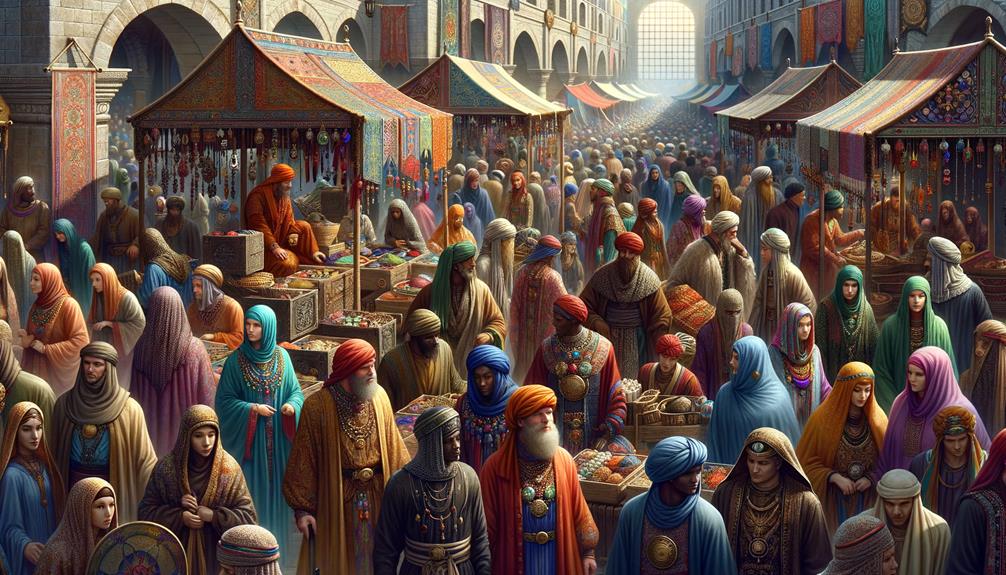
Trade Influence on Medieval Fashion
The vibrant colors of medieval clothing, like deep blues and reds, were made possible by dyes traded from far-off places like India and Persia.

The vibrant colors of medieval clothing, like deep blues and reds, were made possible by dyes traded from far-off places like India and Persia.
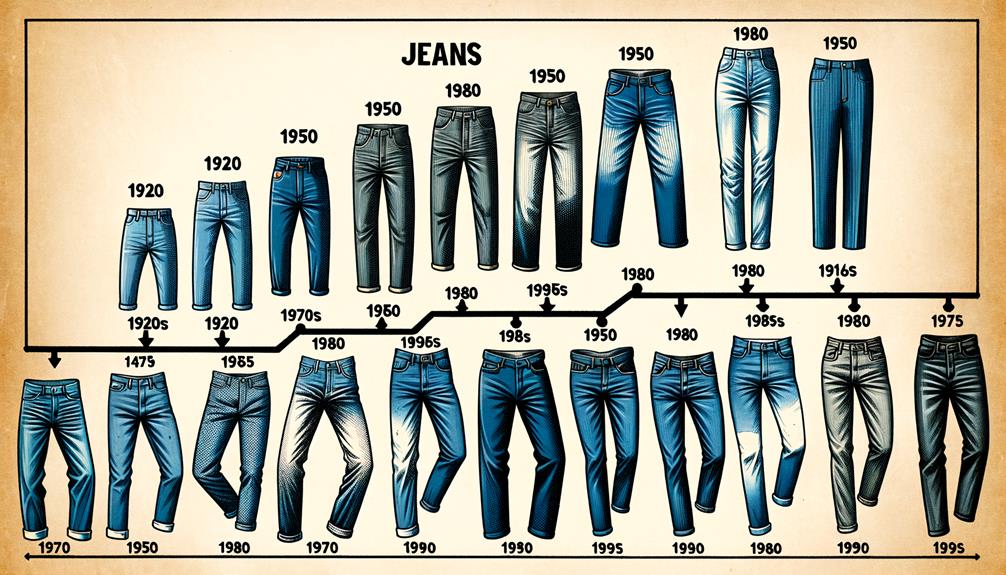
Jeans have undergone a striking evolution throughout the 20th century, reflecting the cultural shifts and personal rebellions of the times.
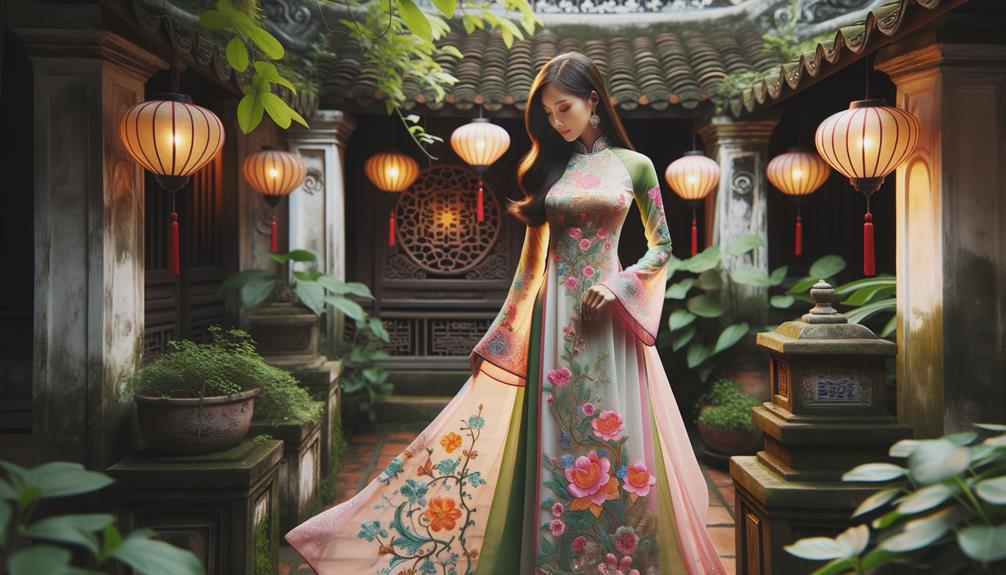
The Ao Dai, a quintessential Vietnamese tunic, offers an elegant blend of tradition and modernity.
Baroque stomachers are admired for their ornate beauty. These triangular bodice pieces were staples in women’s wardrobes from the 16th to 18th…
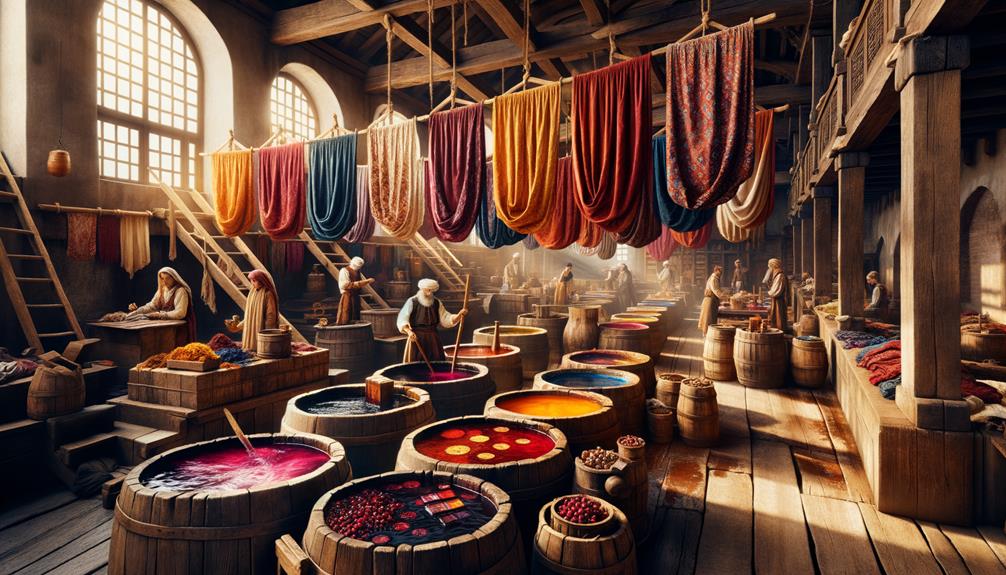
The enduring colors of a medieval tapestry depended on the meticulous extraction of dyes from plants like madder and woad…
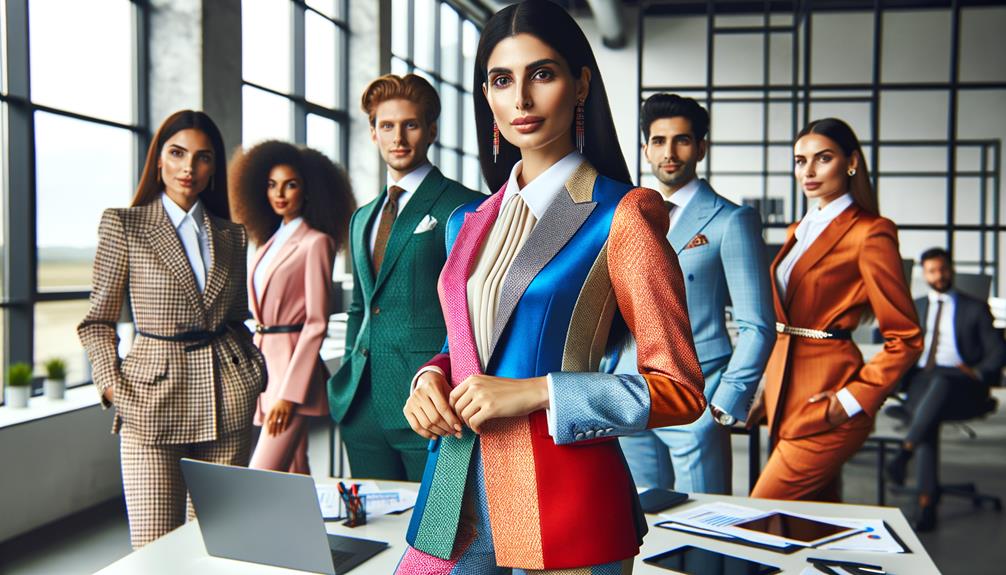
The 1980s power suits radically transformed workwear, blending bold authority with refined elegance.
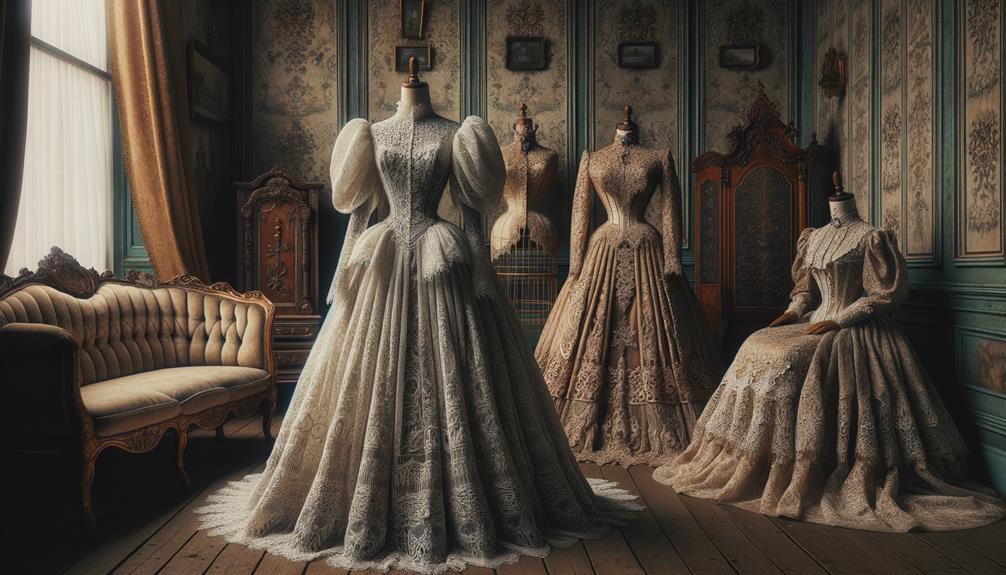
The opulence and femininity embodied in lace on Victorian gowns is striking.
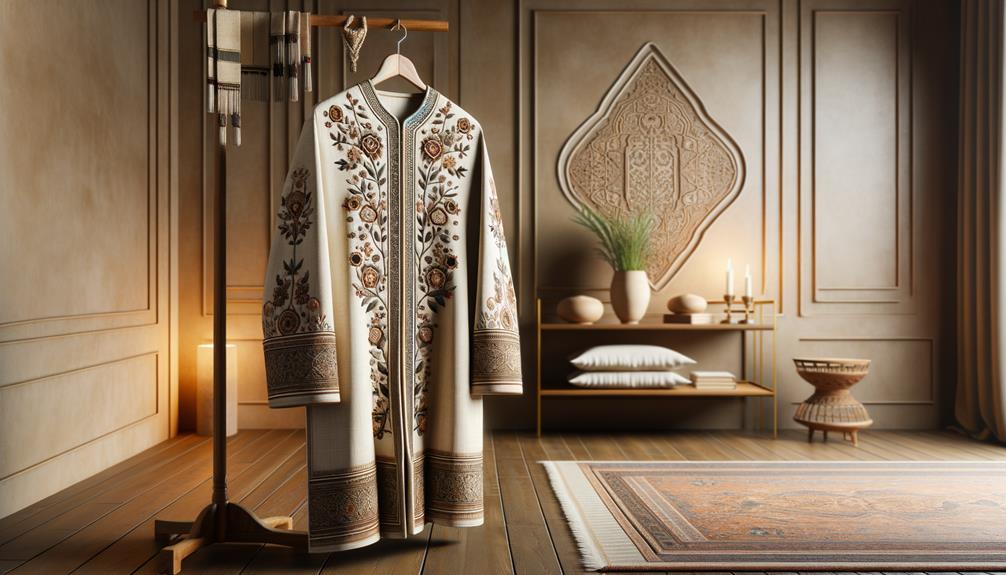
The Thobe, an Arab men’s robe, has undergone significant changes in design and purpose spanning centuries.
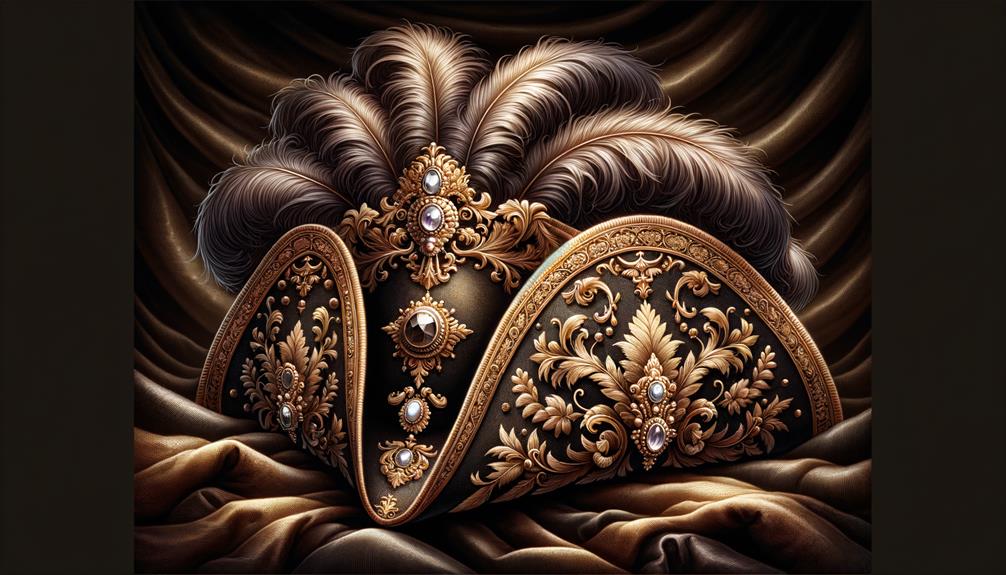
Tricorne hats, with their distinctive upturned brims, were a defining accessory of the Baroque era.
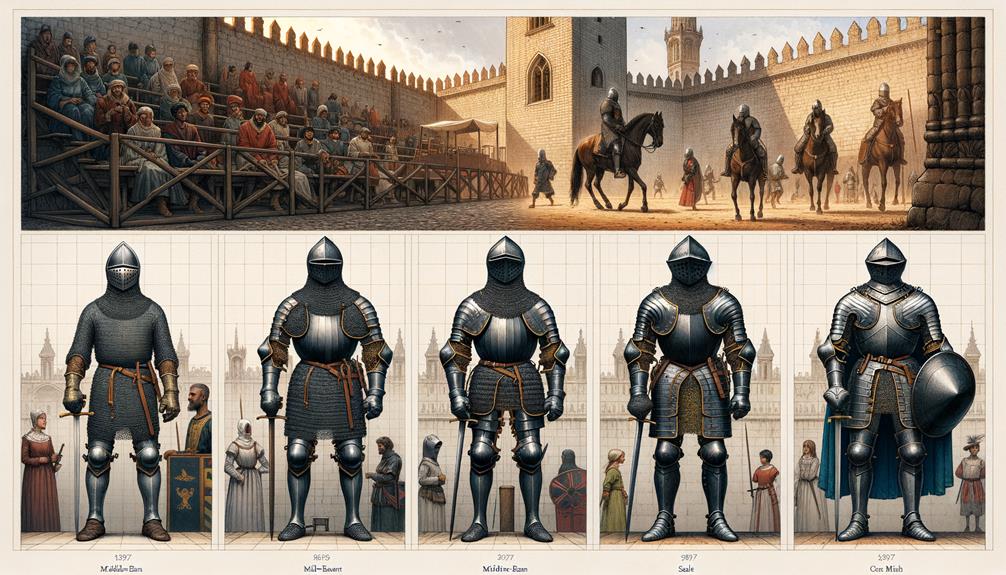
How did the evolution of medieval armor, from chainmail to articulated plate armor, ultimately fade away in the face of surprising technological shifts?