The Gho, Bhutan’s national dress for men, has a history dating back to the 17th century. It reflects Bhutan’s cultural heritage and history, going far beyond being just clothing. The fabrics used to make the Gho are rich in geometric designs and symbolic motifs, each telling a story. To wear it, one follows a meticulous process of wrapping, tucking, and belting with a Kera, topped off by the prestigious Kabney scarf. The colors and patterns often reveal social status and profession. This traditional attire embodies respect and unity, while also adapting to modern trends, and carries deeper cultural layers still to explore.
History of the Gho
The Gho, a traditional knee-length robe, has been an integral part of Bhutanese culture since the 17th century. This garment was mandated as part of the Driglam Namzha, a decree that not only standardized men’s attire but also served as a means of preserving cultural heritage. Bhutanese men came together united by this single garment, their attire reflecting a shared identity that transcended individual differences.

The Gho is a symbol of respect and adherence to Bhutanese customs, going beyond being just a piece of clothing. Wrapping the kera around the waist connects wearers with centuries of history. The significance of the Gho extends beyond its fabric and stitches; it represents the nation’s values, unity, and pride.
In today’s fast-paced world, the Gho continues to show the enduring power of tradition. This traditional robe holds its ground, maintaining its relevance in a society that constantly seeks innovation. The Gho, with its timeless elegance, is a vibrant reminder of Bhutan’s rich cultural heritage.
Design and Fabric
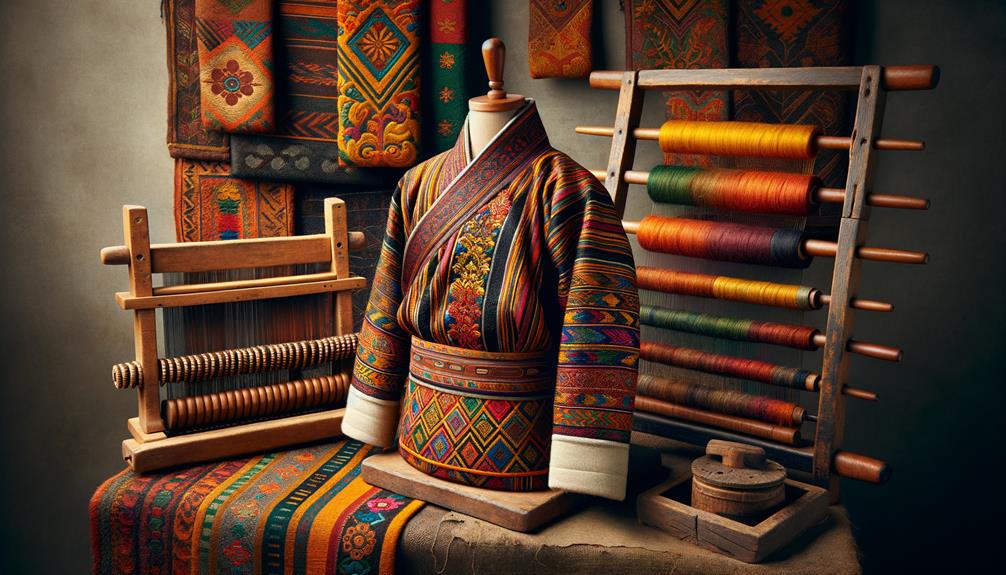
The Gho draws attention through its vibrant patterns and colors, each thread weaving a story of tradition and skill. The fabric, meticulously woven from cotton and dyed with natural and artificial hues, provides a tangible connection to Bhutanese heritage. The craftsmanship shows in every detail, from the intricate designs to the sturdy Kera belt and the elegant Kabney.
Traditional Patterns and Colors
Bhutan’s vibrant traditional dress features intricate geometric designs and symbolic motifs like dragons and lotus flowers intricately woven into every Gho. Each pattern tells a story that connects wearers to Bhutan’s rich cultural heritage. The traditional motifs, often hand-woven on looms, hold profound cultural significance beyond mere decoration.
Bhutan’s Gho is a masterpiece of fabric art. The colors and patterns are thoughtfully chosen, with vivid hues and subtle shades reflecting various aspects of Bhutanese life. Specific colors in a Gho denote social status, profession, and special occasions, making each piece a unique expression of identity. The combination of natural and artificial dyes creates a dynamic palette that feels both timeless and innovative.
The motifs on the Gho, from geometric shapes to symbolic figures, often represent Buddhist beliefs, historical events, or regional folklore. These designs encapsulate the essence of Bhutanese traditions. Each Gho is a vibrant affirmation of Bhutan’s enduring heritage and artistic ingenuity, going beyond being just clothing.
Materials and Craftsmanship
The Gho shows meticulous craftsmanship in every woven thread and dyed fabric. This traditional Bhutanese garment is crafted from machine-woven fabric on a traditional loom, showcasing a rich cultural heritage in each design. The materials used, ranging from cotton to natural and artificial dyes, speak to the significance of cultural identity.
The craftsmanship of the Gho extends beyond fabric and shows the country’s cultural heritage. Several elements define its intricate design:
- Tego: This long-sleeved short jacket worn under the robe adds both structure and warmth.
- Kera: A hand-woven fabric belt with a large pocket in front, providing both functionality and aesthetics.
- Kabney: A silk scarf draped over the left shoulder and right hip, signifying different professions through its color.
Each component, from the Tego to the Kabney, is a tribute to the dedication and skill of Bhutanese artisans. The Gho is a narrative of tradition, woven with precision, dyed with history, and worn with pride, and goes beyond being clothing. This blend of materials and craftsmanship continues to inspire and innovate, keeping Bhutanese culture alive and dynamic.
Wearing the Gho
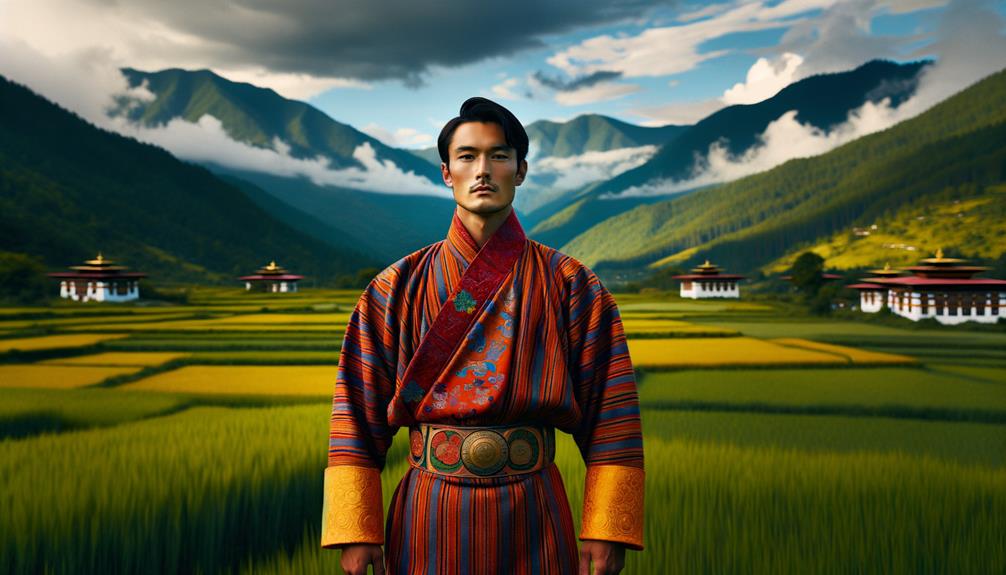
Wearing the gho is like wrapping oneself in a piece of Bhutan’s history. Every fold and tuck speaks to its rich cultural heritage. Fathers traditionally teach children the intricate art of draping it, emphasizing how each step connects them to their ancestors. As modern trends emerge, this traditional dress adapts while still honoring the cultural significance woven into every thread.
Traditional Draping Techniques
The knee-length Gho is carefully wrapped around the body, ensuring each fold is precise and dignified. This act is about embodying centuries of Bhutanese tradition and the principles of driglam namzha, the code of etiquette, and not just about wearing clothes.
Mastering the art of draping the Gho follows these steps:
- Wrap and Tuck: The Gho is wrapped around the body, meticulously aligned so it falls just above the knees. The fabric is then tucked to secure it in place.
- Kera Belt: Next, the kera, a woven belt, is fastened securely around the waist, emphasizing the structured form of the attire.
- Kabney and Tego: Finally, the formal kabney is draped over the left shoulder and right hip, while the Tego, a long-sleeved jacket, is worn underneath, completing the ensemble.
Each element, from the Gho to the kabney, plays a vital role in the traditional dress. The way the attire is worn reflects respect for Bhutanese culture and the values of the society. Through these detailed steps, wearers connect with their heritage, ensuring that each fold and tuck represents the rich traditions accurately.
Cultural Significance Explained
In Bhutan, the traditional Gho is a powerful symbol of cultural heritage, going far beyond being just an article of clothing. Wearing the Gho connects people to their rich history and reminds them of who they are and where they come from.
The Gho plays a significant role in daily life. This traditional knee-length robe, secured with a kera belt, is a mandatory part of formal attire in government offices, schools, and colleges. It is about showing respect for traditions and unity, and not just about following a dress code.
The practice of wearing the Gho dates back to the 17th century, reinforcing cultural identity. It is a visible reminder that these traditions remain strong despite the passage of time. Every fold and fabric of the Gho embodies the essence of Bhutanese heritage, weaving a record of shared history and collective pride.
Modern Adaptation Trends
Modern adaptation trends are infusing new energy into the traditional Gho attire, blending cultural heritage with contemporary style. The shift towards organic dyed cotton nods to growing environmental awareness and also adds a soft, comfortable touch to the Gho.
The infusion of unique patterns and vibrant colors is another exciting development. Even government officials are embracing these modern adaptations, subtly shifting perceptions of formal attire. The Gho’s transition into casual settings reflects its versatility and enduring appeal.
Three trends stand out:
Personal touches are being added to the Gho by younger generations, who use accessories and custom embroidery to make it their own.
Designers are experimenting with new silhouettes and fabric blends, respectfully pushing the boundaries of the Gho’s cultural significance.
The Gho is no longer limited to formal events; it is a common sight in casual settings, reflecting a dynamic lifestyle.
These trends embody a harmonious blend of tradition and innovation, ensuring the Gho remains a vibrant part of cultural identity.
The Kera Belt
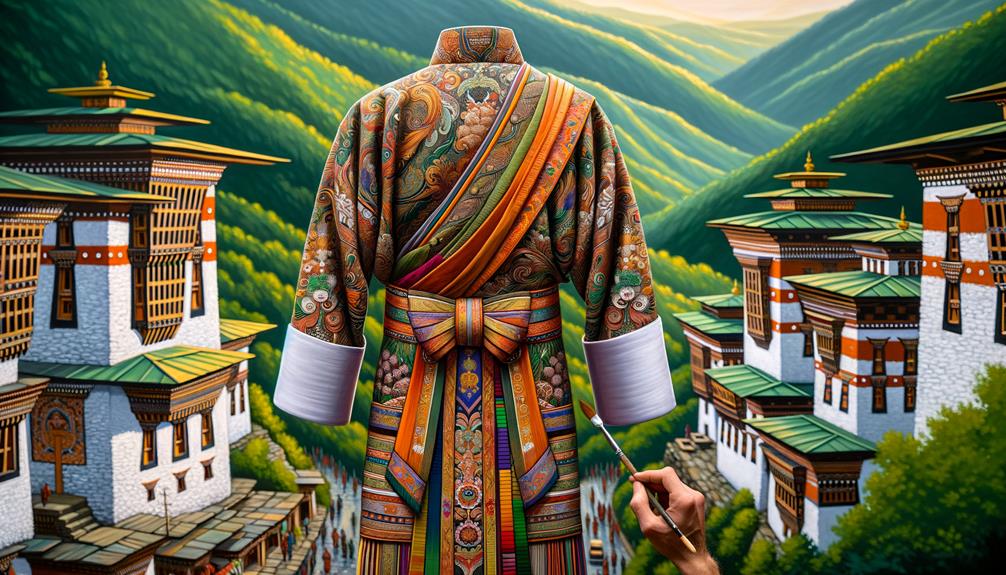
Adorning the traditional Bhutanese attire with elegance, the Kera belt is a symbol of cultural pride, meticulously crafted with intricate designs and vibrant patterns that complement the Gho attire beautifully. The hand-woven fabric helps to secure the knee-length robe at the waist, transforming the ensemble into a harmonious blend of tradition and style, and goes far beyond being just an accessory.
The large pocket integrated into the front of the Kera belt serves both practical and symbolic purposes. It is functional, allowing for the carrying of small essentials, and also represents the resourcefulness inherent in Bhutanese culture. Made primarily from cotton, this comfortable accessory showcases the artistry of Bhutanese weavers.
Fastening the Kera belt around the waist reflects a deep connection to the cultural significance it embodies. Each thread tells a story, each pattern reflects a heritage. The elegant details of the Kera belt add to the Gho attire, making it a piece of history and a statement of identity, going beyond being just clothing. Wearing it makes the wearer a living representation of Bhutan’s rich culture.
The Kabney Scarf
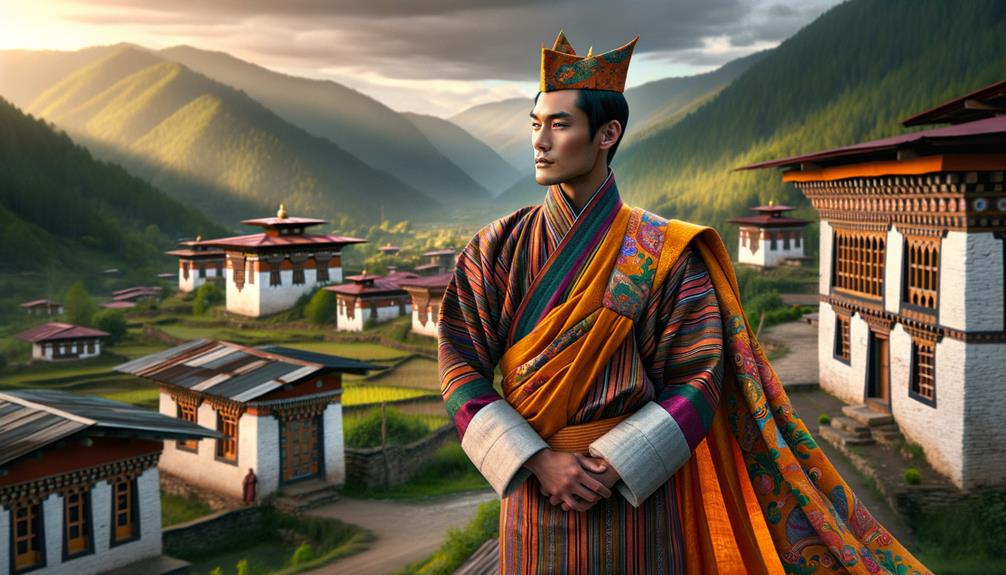
Adjusting the Kera belt is typically followed by reaching for the Kabney scarf, a silk accessory that drapes elegantly over the left shoulder and right hip, symbolizing respect and tradition in Bhutanese culture. This simple piece of fabric carries profound weight in the society, reflecting both cultural significance and elegance.
The Kabney scarf is a marker of one’s profession and societal standing, going further than being just a component of Bhutanese traditional attire. Three key aspects of the Kabney scarf stand out:
The colors of the Kabney scarf are not arbitrary. Saffron denotes the king or chief abbot, orange signifies government officials, green is for judges, and white is worn by ordinary citizens. Each shade tells a story of duty and honor.
In formal occasions, the Kabney scarf is indispensable. It completes the traditional look, ensuring the wearer is appropriately dressed for the occasion.
The specific manner in which the Kabney is draped over the shoulder and hip adds a layer of sophistication and adherence to tradition, enhancing the overall aesthetic of Bhutanese attire.
In every thread of this silk accessory, elegance and tradition are interwoven, making the Kabney scarf an essential element of Bhutan’s rich culture.
Cultural Significance

In Bhutan, the Gho is a powerful symbol of cultural identity and heritage, bringing people together and fostering a sense of unity and pride. This traditional attire, a knee-length robe tied at the waist with a kera belt, is worn by men across the nation, reflecting deep-rooted cultural values.
The Gho is a mandatory dress code in government sectors, schools, and formal occasions, reinforcing a sense of community, and goes beyond being just a piece of clothing. The symbolic significance of the Gho extends to its components like the Tego jacket and the Kabney scarf, each color representing different symbolic professions and statuses.
| Component | Symbolic Significance |
|---|---|
| Gho | National dress, unity |
| Kera belt | Stability, tradition |
| Tego jacket | Formality, respect |
| Kabney scarf | Status, profession |
| Colors | Deep-rooted values |
Since the 17th century, the Gho has been an integral part of Bhutanese male ethnic clothing, reflecting the heritage and the cultural significance it holds dear. Every thread and fold carries stories of ancestors, making it much more than a mere garment. It is a lasting symbol of national pride and identity, vividly illustrating the Bhutanese spirit.
In Bhutan, the Gho is an integral part of daily lives, transcending its functional purpose as clothing to represent collective identity. Its significance extends beyond the individual, serving as a shared cultural touchstone that unites the nation.
Frequently Asked Questions
What Is the Significance of Wearing Gho?
Wearing the Gho connects wearers to their roots, fostering a sense of unity and pride. It is a symbol of respect, tradition, and cultural identity that echoes centuries of Bhutanese heritage, and goes beyond being just an outfit.
Who Wears a Gho?
The Gho is worn by men across Bhutan, carrying the cultural essence and historical roots that come with it. It is a connection to Bhutan’s past, a link that helps wearers move through the modern world with confidence. The traditional attire blends well with modern life, creating a unique fusion of old and new.
How Do You Wear Gho and Kira?
To wear a traditional Bhutanese outfit, start with the gho, wrapping it around the body and securing it with a comfortable belt. For a kira, it is draped elegantly and pinned in place, pairing it with a vibrant toego. Both garments blend tradition and style.
What Is a Gho?
A Gho is a knee-length robe tied at the waist with a kera. It is a vibrant symbol of the culture, going beyond being just clothing, and is made from sustainable organic cotton that honors tradition while embracing innovation.