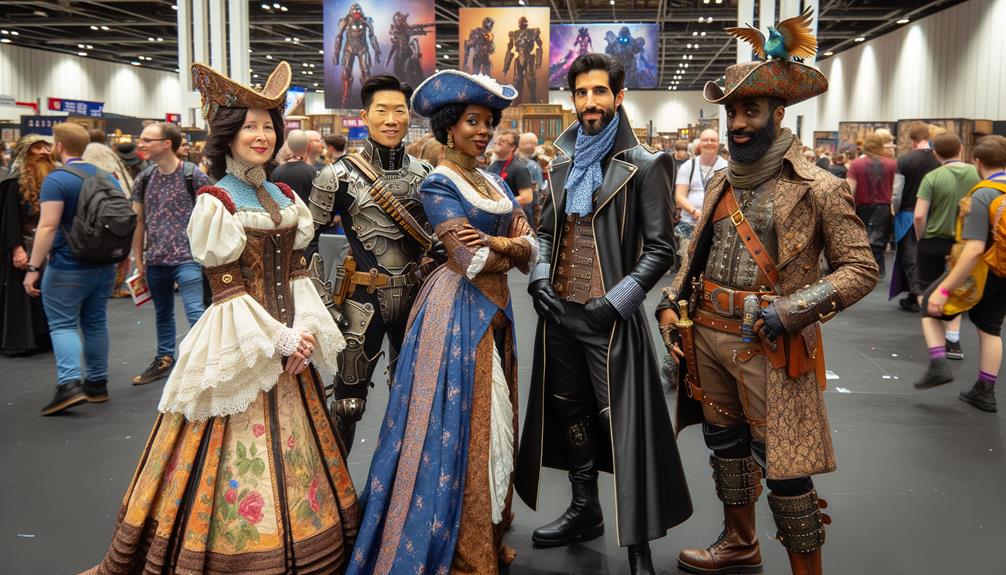
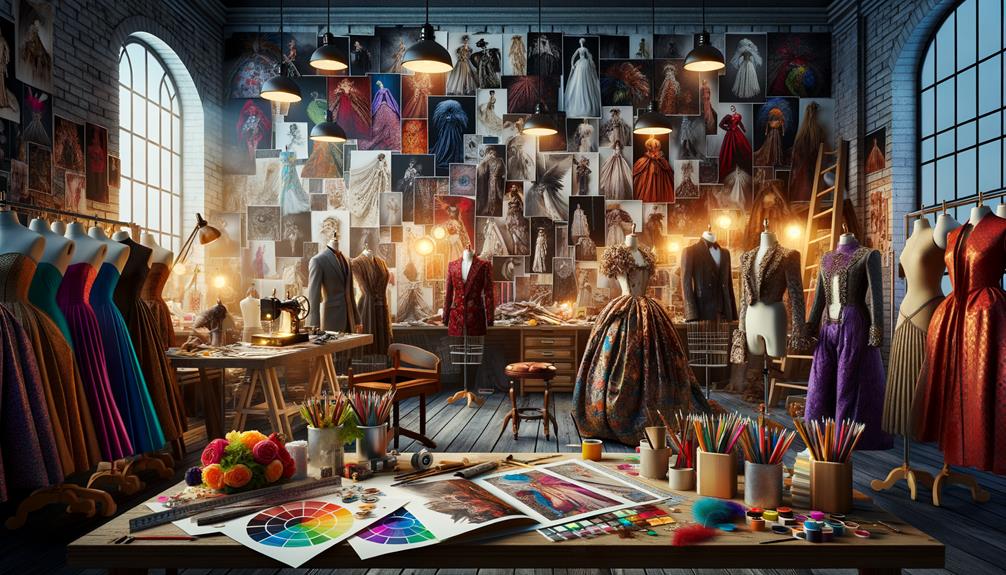
Historical accuracy in costume design is about capturing the essence of an era. Details like fabric choices and period-specific buttons make the story more believable and immersive. However, it’s also an art form that requires balance. Sometimes, blending historical and creative elements can emphasize a character’s traits or enhance the narrative. For instance, shows like ‘The Crown‘ meticulously replicate history, while ‘Bridgerton‘ creatively reinterprets it. This approach can ground the story in its time and bring characters to vivid life.
Importance of Historical Accuracy
In costume design, getting the history right is crucial because it pulls the audience into the time period. For a period drama, every single detail counts. It’s not just about the fabric and cut of the clothes; it’s about capturing the essence of the era. The clothing has to reflect the social norms, economic conditions, and cultural nuances of the time.

If the costumes are off, it can break the spell and pull viewers out of the experience. Imagine watching a Victorian drama where characters wear modern zippers. It’s jarring and undermines the story. Getting the history right in costume design isn’t just about checking boxes; it’s about being true to the past and honoring the narrative.
Paying attention to the little things makes all the difference. Every stitch, button, and accessory needs to be carefully chosen. It’s not just about looking good; it’s about creating a believable world. The audience might not consciously notice every detail, but they can feel it. They sense the authenticity, and that’s what makes the experience richer.
Designers who pursue accuracy treat it as the foundation of great storytelling. Without it, the magic falls apart. Accurate historical costumes don’t just dress characters; they bring history to life.
Creative Liberties in Design
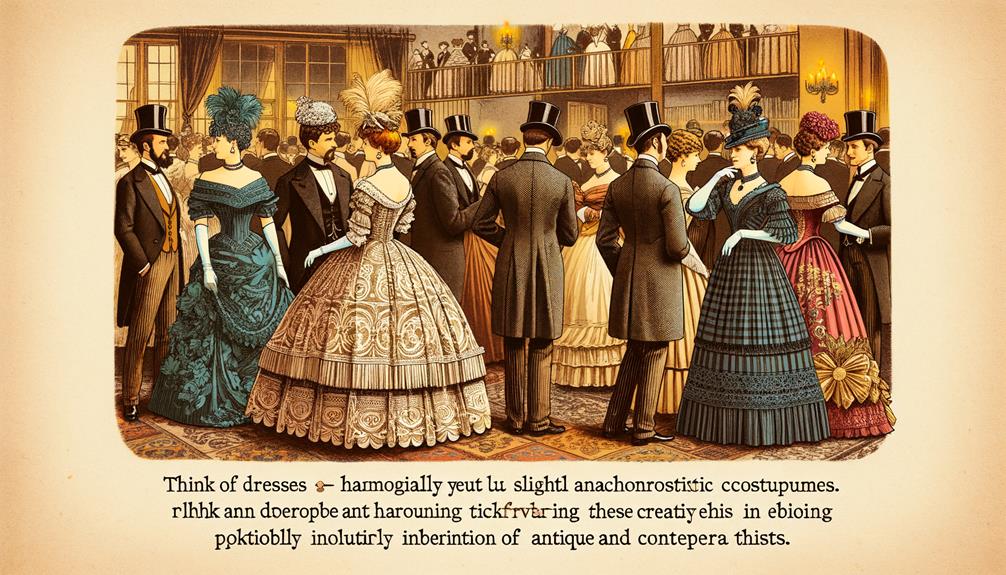
Designers often struggle to balance historical accuracy with creative freedom. Modern takes on historical eras offer a fresh spin that can really resonate with audiences. By incorporating fictional elements, the boundaries of costume design can be pushed to create something truly unique and captivating.
Balancing Authenticity and Innovation
Balancing authenticity and innovation in costume design is a delicate task. Designers constantly struggle to stay true to the era while injecting originality. Historical accuracy demands meticulous research and attention to detail. Every button and fabric choice matters. Yet, creative liberties bring the design to life, giving it relevance and flair.
When a designer chooses to deviate from strict historical norms, it’s a calculated risk. The questions to ask are whether the alteration enhances the story and whether it resonates with modern audiences. Some purists might object, but innovation is vital. It’s about blending the old with the new, making history accessible.
A successful balance hinges on intention. Symbolism can justify creative choices. For instance, a modern twist on a Victorian dress may highlight a character’s rebellion. The key is to respect the source material while pushing boundaries. It’s a dialogue between past and present.
Finding this balance isn’t always easy, but it’s where the magic happens. Authenticity grounds the design, and innovation propels it forward. By harmonizing these elements, costume designers can create work that honors history and captivate contemporary viewers.
Modern Interpretations of Eras
Creative liberties can breathe new life into historical styles while remaining grounded in historical accuracy. By blending the old with the new, designs resonate with contemporary audiences.
This approach combines meticulous research with bold innovation. The past is respected, but fabrics, colors, or silhouettes can be reinterpreted to suit modern sensibilities. For instance, a Victorian dress might be reimagined with unconventional materials or unexpected patterns. This approach keeps the essence of the era while making it accessible and engaging.
By reinterpreting the past, designers can comment on social issues, challenge norms, or simply create fresh aesthetics. Recreating history is one thing; reimagining it is another.
Creative liberties in costume design aren’t about disregarding history. They’re about sparking a conversation between the past and the present. By breaking free from strict adherence to the past, designers craft pieces that are both timeless and timely. This balance of historical accuracy and innovation is where true artistry lies, breathing new life into bygone eras.
Fictional Elements in Costumes
Creative liberties in costume design allow storytelling and character depth to take priority over strict historical accuracy. This approach is common in series like Bridgerton, where vibrant colors and exaggerated silhouettes convey a lighthearted tone, taking precedence over historical precision.
In The Great, the use of bright fuchsia, a color not invented until 1859, adds drama and flair, underscoring the narrative’s playful irreverence. Similarly, in Hamilton, modern fabrics and styles replace period accuracy to support high-energy choreography, where movement and practicality take center stage, reflecting the show’s dynamic spirit.
However, creative liberties come with pitfalls. The 2019 adaptation of Little Women saw inconsistent silhouettes and anachronistic details, such as a modern-style wedding dress, which can break immersion and remind viewers of the fictional nature of the portrayal.
Yet, when done right, these liberties create iconic characters. Sandy Powell’s Oscar-winning design for Shakespeare in Love perfectly encapsulates the protagonist’s personality, despite historical deviations. The balance between creativity and accuracy is delicate but vital, demonstrating a costume designer’s skill in enhancing the narrative while respecting, yet not being bound by, historical constraints.
Notable Examples in Media
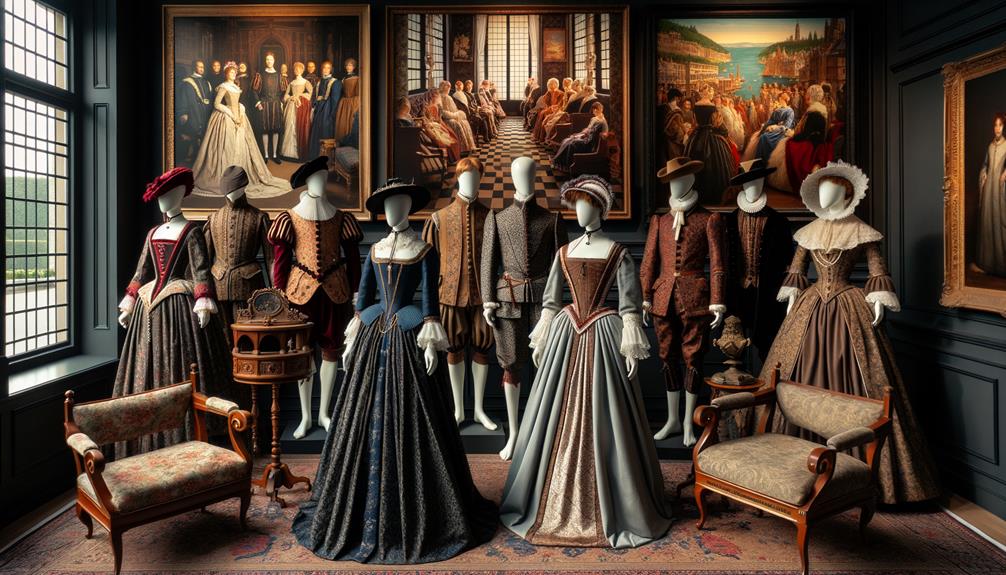
Costume design in media often blends historical accuracy with creative interpretation. Shows like ‘The Crown‘ and ‘Bridgerton‘ showcase this balance. In ‘The Crown,’ Jane Petrie meticulously replicated Princess Margaret’s wedding dress from 1960, highlighting the significance of historical accuracy in period drama. This attention to detail brings authenticity, but it’s not the only approach.
Take ‘Bridgerton,’ for example. Ellen Mirojnick intentionally strayed from strict historical accuracy to create garments that reflect the characters’ personalities. This deviation showcases how creative liberties can enhance storytelling. Both methods have their merits.
In ‘Penny Dreadful,’ Gabriella Pescucci drew inspiration from French impressionists and Gustave Doré’s sketches. The result was unique, historically inspired costumes that added a layer of visual intrigue to the narrative. Historical accuracy served as a foundation for innovation.
Even ‘The Great’ took bold steps. The costume designers used bright fuchsia, a color not invented until 1859, to make a dramatic impact. This choice exemplifies how blending historical elements with modern creativity can yield striking results.
The 1995 adaptation of ‘Pride and Prejudice’ remains a classic example of adhering to period-specific designs, with empire line dresses and tight updos for women, and tailcoats and trousers for men. This adherence to historical accuracy offers a visual immersion into the Regency era.
These examples demonstrate how costume design can strike a balance between historical accuracy and creative interpretation, enhancing the storytelling and visual appeal of a show.
Impact on Audience Perception
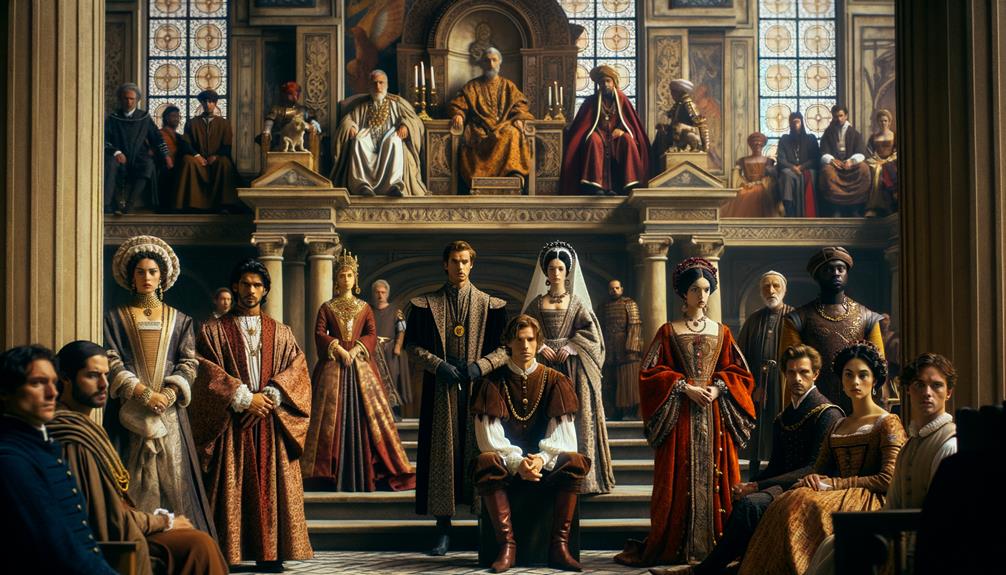
Costumes can make or break a viewer’s experience of a show. If they’re accurate, they draw the audience in and make the characters and their stories feel real. They also help viewers understand the historical context, grounding the narrative in a believable world.
Enhancing Immersive Experience
Viewers are instantly transported into another world when costumes capture the essence of the characters and setting. The magic lies in the historical accuracy and attention to detail. These elements make the narrative believable, pulling the audience deeper into the story.
| Element | Impact on Immersion |
|---|---|
| Historical Accuracy | Authentic atmosphere |
| Attention to Detail | Enhanced realism |
| Fabric and Textures | Sensory engagement |
| Color Schemes | Emotional resonance |
When a costume designer nails these aspects, the experience becomes almost tangible. Viewers can feel the weight of a velvet gown or the roughness of a soldier’s uniform. The historical accuracy of the costumes doesn’t just add visual appeal; it creates a sense of authenticity, making everything feel genuine.
The attention to detail is vital. Tiny stitches, period-specific buttons, and even the wear on fabric tell a story of their own. These subtleties engage the senses, making the world on screen more convincing. For an audience seeking authenticity, these meticulously crafted costumes are key to a richer viewing experience.
In this world of make-believe, the costumes have the power to evoke emotions and transport the viewer to another time and place. By getting the details right, the costume designer has created an immersive experience that draws the audience in and refuses to let go.
Influencing Character Credibility
Audiences quickly form an opinion about a character’s credibility based on their attire. If the costume accurately reflects the time period, the viewer becomes fully invested in the story’s world. Authentic costume design is crucial because it grounds the character in a believable reality. When a character’s outfit is historically accurate, it’s clear the creators have done their research, and the portrayal is more trusted.
On the other hand, if a character’s costume seems off, it pulls the viewer out of the story. A misplaced detail or anachronistic fabric can shatter the illusion, raising doubts about the character. This reaction is instinctive. Viewers might not always pinpoint what’s wrong, but they sense the disconnect.
For compelling storytelling, accurate costume design is vital. It boosts a character’s credibility, making the narrative more engaging. A character dressed perfectly for their era makes their struggles and triumphs believable. Authentic costumes serve as a visual cue that says, ‘This character belongs here.’ This powerful tool shapes perception, drawing the audience deeper into the story.
Shaping Historical Understanding
Authentic costume design does more than dress a character; it also deepens understanding of the historical context they inhabit. A meticulously crafted costume is not just fabric and thread; it is a window into the past. Historical accuracy in costume design offers a tangible connection to the eras portrayed, making history feel real rather than abstract.
Accurate costumes act as visual cues that help viewers decode societal norms, class structures, and even political climates of the time. For example, the rich brocades and intricate lace of a 17th-century gown reveal the wealth and status of the wearer. When designers cut corners, those cues disappear, and the historical narrative weakens.
Perception of historical events often hinges on these visual elements. When done right, they engage the imagination and curiosity, urging viewers to explore further. Inaccurate designs, however, break this immersion, leaving questions about the authenticity of the entire portrayal.
Balancing Accuracy and Creativity
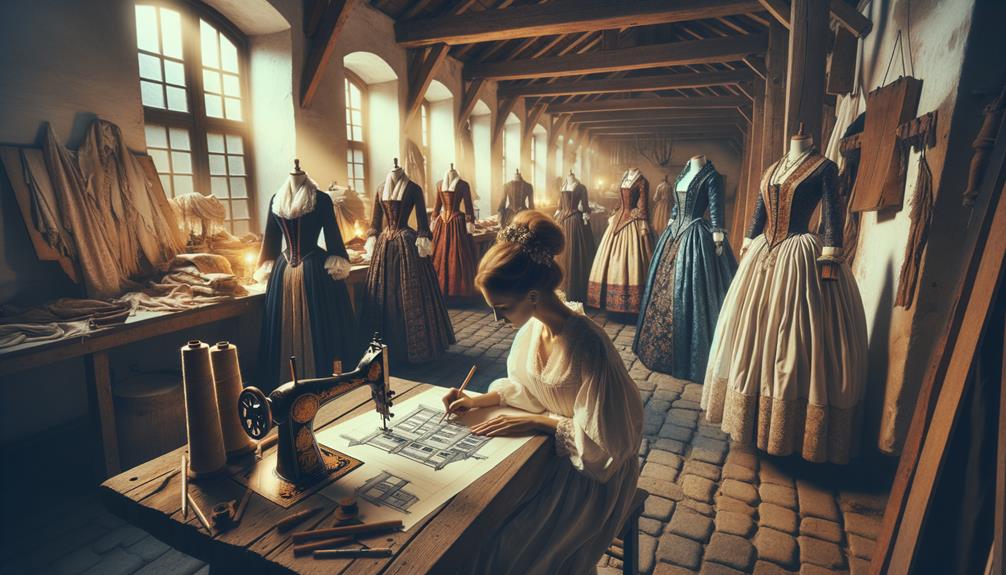
Balancing accuracy and creativity in costume design is an art that requires knowing when to stick to historical details and when to introduce imaginative elements that serve the story. Historical accuracy can ground a narrative in its time, but creative liberties can bring characters to life. Take Bridgerton, for instance. The costumes are extravagant and colorful, often deviating from historical accuracy. Yet, they fit the characters’ personalities, making the series fresh and engaging.
Sometimes, it’s about symbolism. In The Queen’s Gambit, Beth Harmon’s costumes evolve from dresses to pants, mirroring her growth and independence. This balance of accuracy and creativity makes her journey more relatable and visually compelling.
Striking this balance thoughtfully is crucial. Anachronisms can jar viewers out of the story, but minor changes can enhance the narrative. A well-placed creative tweak can lift the entire visual experience.
It’s essential not to overlook historical accuracy, but it shouldn’t constrain the work. A balanced approach creates visually appealing, engaging films. Ultimately, the goal is to serve the story and connect with the audience, blending the past with imaginative flair.
The Future of Costume Design
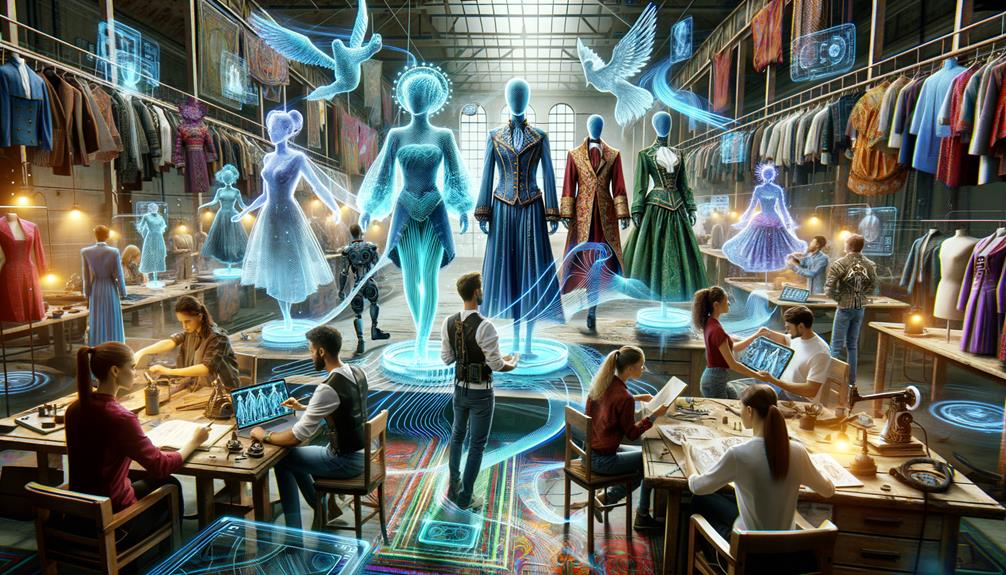
The future of costume design is an exciting blend of tradition and innovation. Newer work shows a careful balance between historical accuracy and cutting-edge technology, resulting in truly mesmerizing costumes.
In terms of historical accuracy, 3D printing and digital fabrication are allowing for precise recreations of historical garments. This technology enables costume designers to create intricate details that were previously impossible to achieve.
The rise of streaming services has led to an influx of period dramas, providing more opportunities for experimentation and creativity. Shows like “Bridgerton” and “The Crown” are perfect examples of this balance between tradition and innovation.
There is also a growing trend towards diversity in storytelling. Costume designers are now exploring ancient civilizations and non-Western societies, bringing new and exciting perspectives to the forefront. This shift is about representation and about enriching visual and cultural narratives.
Finally, sustainability is becoming a vital aspect of costume design. Using eco-friendly materials, recycling, and repurposing costumes helps reduce waste and minimize the environmental impact of the industry. As the field moves forward, the responsibility to the environment calls for innovation done responsibly.
Frequently Asked Questions
How Historically Accurate Are the Costumes in the Great?
The costumes in The Great take creative liberties, blending historical inspiration with modern flair to create a unique aesthetic. Vibrant and stylized, they reflect Catherine’s personality and the show’s tone, making for an enchanting visual experience.
Why Are Historical Costumes Important?
Historical costumes are vital. They transport the viewer to a bygone era, making stories feel authentic and characters relatable. The attention to detail and the commitment to accuracy give the narrative its power. It’s about creating an immersive experience, evoking emotions, and truly connecting with the story.
What Is the History of Costume Designers?
The history of costume designers is a fascinating tale. It all began with Rameau in the 18th century, evolving through the works of Worth, Doolley, Banton, and icons like Head and Louis, and eventually leading to modern innovators like Sandy Powell. Their impact has been truly transformative in the world of fashion and film.
Why Must It Be Accurate for Costumes to Be Effective?
When costumes nail it, they transport us to another time and place. If they’re off, the illusion falls apart. Accuracy is vital; it brings characters to life, making stories feel real and engaging.