Renaissance

Renaissance Fashion

Navigating the Home Buying Process: A Step-by-Step Guide

Renaissance Fashion: Materials, Silhouettes, and Decoration

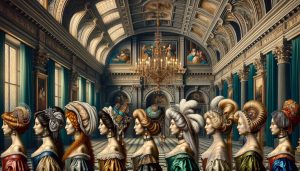
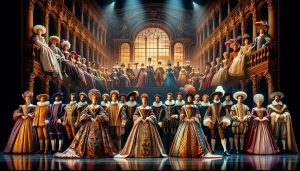
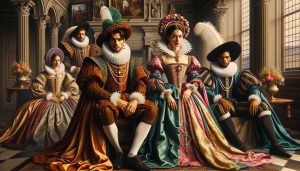
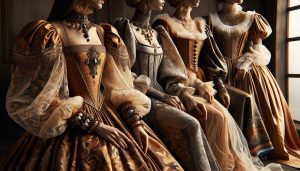
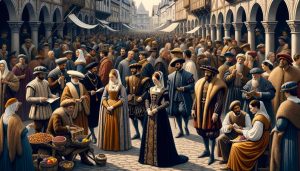
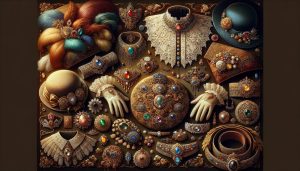
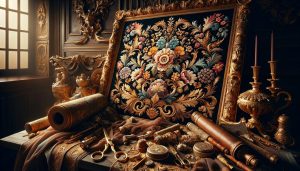
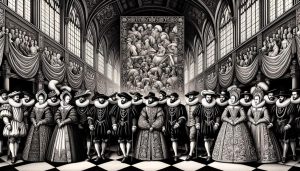
Renaissance dress, roughly 1400 to 1600, is defined less by a single silhouette than by the reintroduction of silk and by tailoring. Earlier medieval garments were cut as straight rectangles; during this period garments became fitted, shaped with seams that follow the body, and produced in far greater numbers. Materials ranged from everyday wool and linen to imported silk brocade, damask, and velvet, whose cost often defined the status of the wearer. Decoration included embroidery, slashing and puffing, ruff collars, and padded doublets.

Renaissance Dress: Fabrics, Silhouettes, and Detail

Regional styles within the Renaissance differ enough to be worth separating. Italian dress, after the return of many artists from Constantinople, favored patterned silk and soft, flowing lines. Spanish and northern European dress was more structured and heavily decorated, with stiffened bodices, high necks, and ruffs that grew larger through the late 16th century. Surviving garments from the period are rare; many that survive were made as wedding or burial garments and altered later, which complicates dating them.</
Timeless Treasures: Unlocking the Style Potential of Old Outfits

Related Articles on This Site

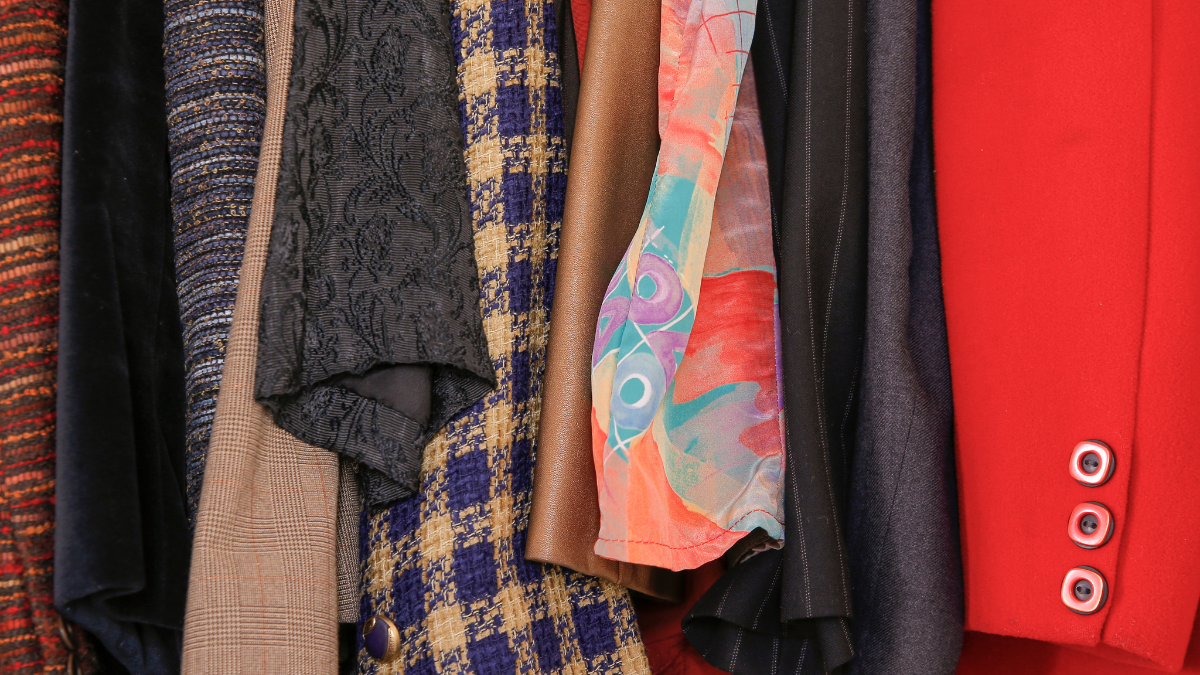
A collection of vibrant and textured fabrics, featuring a mix of patterns and colours, hanging neatly in a wardrobe.

Renaissance-Inspired Apparel

Discover a handpicked selection of garments inspired by the opulence and sophistication of the Renaissance. From sumptuous velvet gowns to intricately embroidered doublets, our collection captures the essence of this iconic era while incorporating modern elements for a contemporary twist.
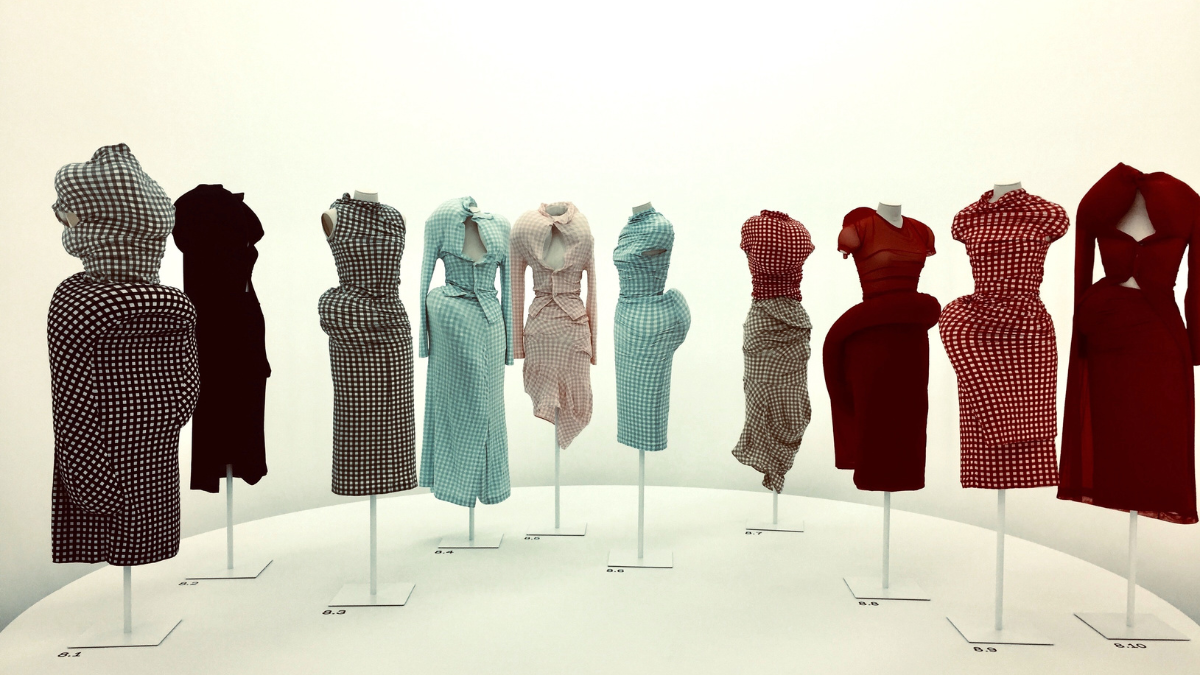
Bold dresses defy form in artistic display.

Custom Renaissance Costume Design

Elevate your Renaissance experience with our custom costume design service. Whether you're preparing for a themed event, theatrical production, or historical reenactment, our talented designers will work closely with you to create authentic and impeccably crafted garments that transport you back in time.
Fashion Publications

Historical Fashion Consultations

Embark on a sartorial journey through the Renaissance with our personalized fashion consultations. Our knowledgeable stylists will guide you in selecting pieces that reflect the rich cultural heritage and artistic expression of this fascinating period, ensuring that every outfit embodies the timeless elegance and grace of Renaissance fashion.

Renaissance Elements in Modern Dress

Certain details from the period reappear regularly in contemporary dress: square necklines, paneled bodices, and detachable sleeves are common in eveningwear, and Renaissance painting is a recurring reference for bridal designers. Costume historians are cautious about how much can be traced back. Where a designer credits a period directly, that is stated; where the resemblance is informal, the articles describe it as influence rather than revival.

About Timeless Fashion Hub

A simple, black and white illustration of a traditional clothes hanger.

Article Coverage

The site covers dress and textiles by period, with an emphasis on the ordinary as well as the courtly. Articles address what people actually wore, how garments were made, and how clothing signaled rank, occupation, and wealth. There is no store and no product line here; nothing is for sale.

A simple, black and white illustration of a traditional clothes hanger.

Sources and Method

Articles are built from published costume-history scholarship, museum collection records, inventories, and surviving textiles. Where sources disagree, the disagreement is noted rather than resolved. Where dating is uncertain, the article says so.

A simple, black and white illustration of a traditional clothes hanger.

How the Site Is Organized

Material is grouped by period first, then by topic within each period: silhouette, fabric, headwear, and individual designers. Articles cross-reference related periods where a technique or a garment carried across a boundary. Pages are written to be read in order or dipped into individually.

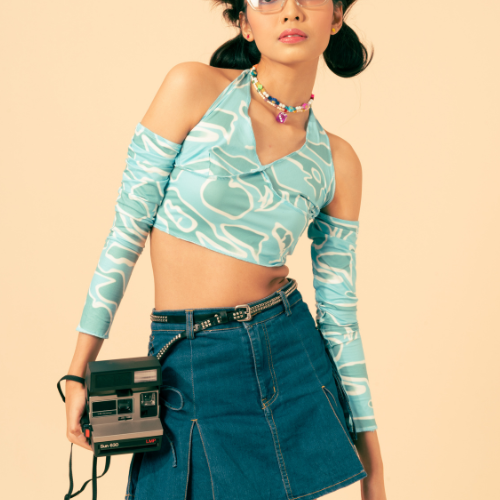
A young woman dressed in a trendy blue patterned top and denim skirt, holding a vintage camera, embodies a playful and nostalgic fashion style.
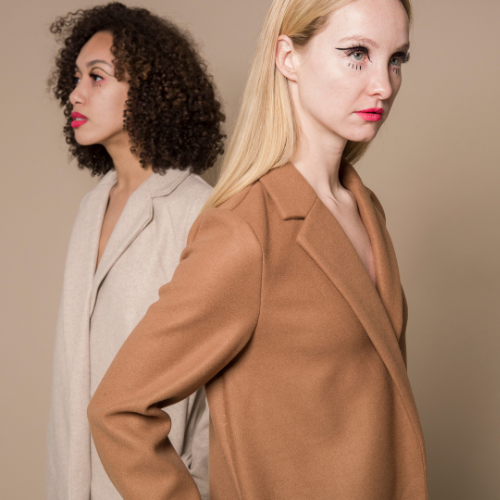
Two women stand back-to-back, showcasing stylish, neutral-toned coats against a plain background.
A simple, black and white illustration of a traditional clothes hanger.

Editorial Scope

Coverage runs from roughly the 14th century to the present, with the heaviest documentation on periods where garments survive in quantity. Textile history, dye trades, and the organization of the garment trades are treated as topics in their own right rather than as background color.

A simple, black and white illustration of a traditional clothes hanger.

Corrections

Dating and identification in costume history are revised as new garments are attributed and older records are re-read. Corrections are noted on the article itself. Readers who find an error are welcome to report it through the contact page.

A simple, black and white illustration of a traditional clothes hanger.

Access From Anywhere

All articles are published on this site and can be read without an account or a subscription. There is no physical location and nothing to visit in person.

Frequently Asked Questions

What defines Renaissance fashion?
Renaissance fashion is defined by its luxurious and intricate nature, reflecting the artistic sensibilities of the time. We’re convinced that clothing during this period served as a means of creative expression, with garments showcasing elaborate embroidery, delicate lace, and ornate embellishments. From our expert perspective, silhouettes of the Renaissance era were often voluminous, featuring exaggerated sleeves and complex drapery that embodied the grandeur and sophistication of the age.
How can I incorporate Renaissance elements into my modern wardrobe?
There are several notable fashion trends emerged during the Renaissance period, including the prevalence of opulent fabrics such as silk, velvet, and brocade, along with the application of intricate embellishments like embroidery, lace, and pearls. We’re sure that silhouettes of the time were often voluminous, with women’s dresses boasting wide skirts and corseted bodices, while men’s clothing featured doublets, breeches, and ornate codpieces.

Some key fashion trends during the Renaissance period included the prominence of luxurious fabrics such as silk, velvet, and brocade, as well as the use of elaborate embellishments like embroidery, lace, and pearls. Silhouettes were often voluminous, with women’s dresses featuring wide skirts and corseted bodices, while men’s attire included doublets, breeches, and elaborate codpieces.

 
Are there any famous Renaissance fashion icons?

Yes, there are several famous Renaissance fashion icons whose style continues to inspire today. One notable figure is Queen Elizabeth I of England, known for her elaborate gowns, intricate jewelry, and striking hairstyles. Other influential figures include Catherine de’ Medici, who popularized the use of lace and ruffs, and Isabella d’Este, renowned for her patronage of the arts and exquisite taste in fashion.

 
What distinguishes Renaissance fashion from other historical periods?
In our critical examination, Renaissance fashion stands apart from other historical periods due to its focus on luxury, elaborate detailing, and artistic expression. We maintain that, in contrast to earlier medieval styles characterized by simplicity and practicality, Renaissance garments were highly ornate and symbolic, often serving as indicators of the wearer’s social status. Furthermore, it’s been our long-held conviction that Renaissance fashion was influenced by a resurgence of classical aesthetics, with garments drawing inspiration from ancient Greek and Roman styles.

Contact and Corrections

Questions about a period covered on the site, or a correction to an article, can be sent through the contact page. Messages go to the editors, who answer when they are able. Timeless Fashion Hub publishes reference material only: nothing is for sale, no styling service is offered, and no appointments are scheduled.

The contact page is also the place to request a topic, report a broken link, or suggest a source that should be added.

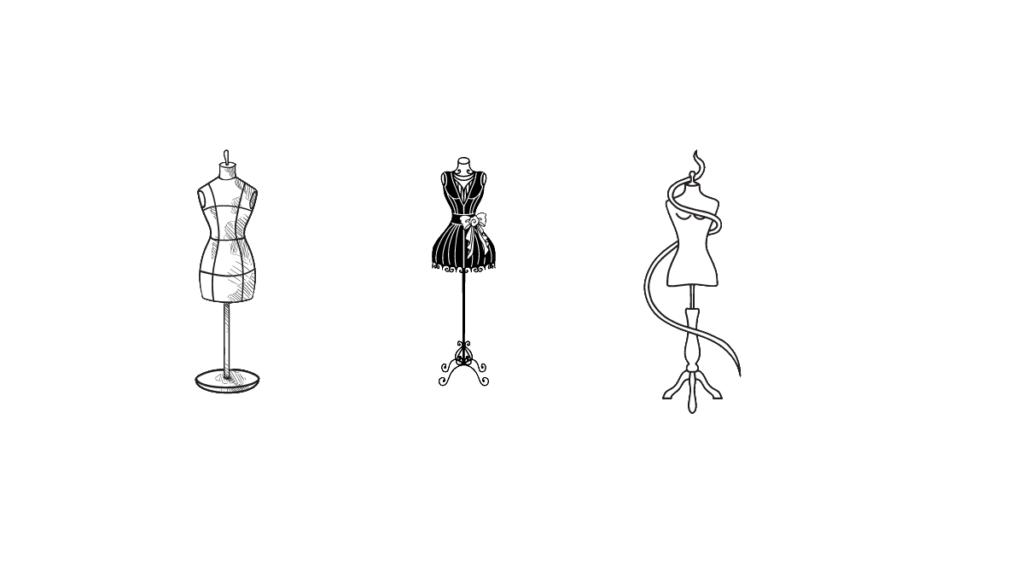
A trio of illustrated fashion mannequins, each showcasing different styles and designs, representing the art of dressmaking and fashion design.
Scroll to Top